
 Worksheets
The Circulatory System (Heart and Blood Flow)
Total questions: 31
Worksheet time: 1hrs 2mins
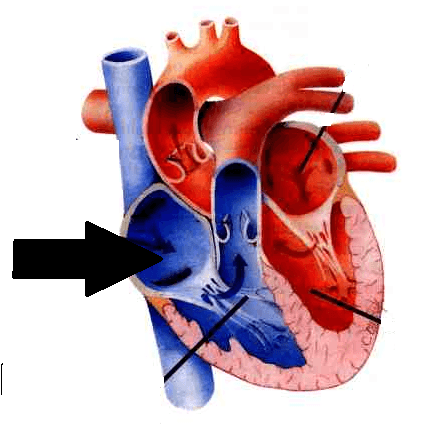
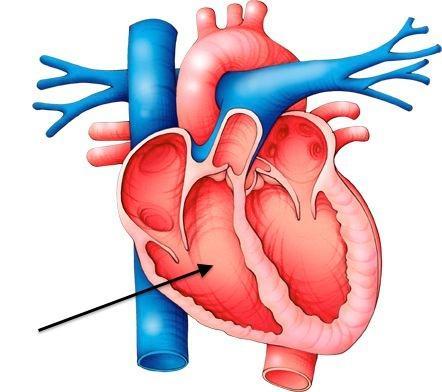
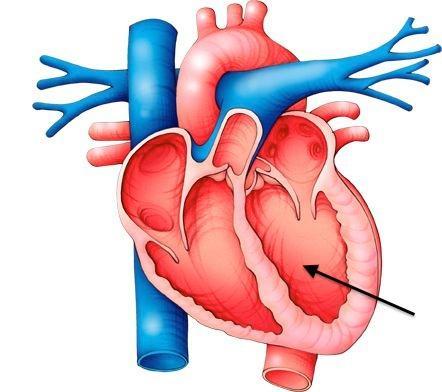
Number of heart chambers
2
3
4
5
Pulmonary circulation is
The blood flow from heart to the body cells and back to the heart
The blood flow from heart to the lungs and back to the heart
The blood flow from lungs to the heart and then to the body cells
The blood flow from the body cells to the lunngs and back to the heart
Deoxygenated blood flow from the body cells to the heart via .....
Vena Cava
Aorta
Pulmonary artery
Pulmonary vein
Deoxygenated blood flow from the heart to the lungs via .....
Vena Cava
Aorta
Pulmonary artery
Pulmonary vein
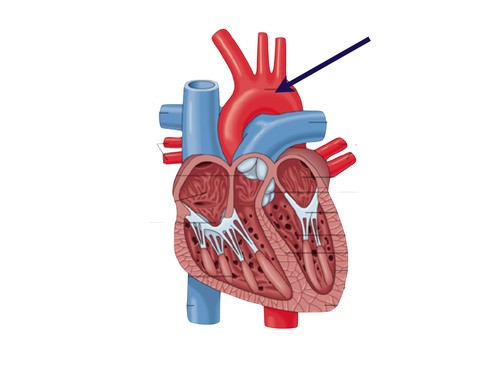
Oxygenated blood flow from the heart to the body cells via .....
Vena Cava
Aorta
Pulmonary artery
Pulmonary vein
Oxygenated blood flow from the lungs to the heart via .....
Vena Cava
Aorta
Pulmonary artery
Pulmonary vein
The valves..
allow two way direction of blood in the heart
prevent back-flow of blood
prevent high pressure exerted in the vessels
allow lower pressure of blood flow in the heart
The ...... separate the right atrium and the right ventricle
Semilunar valve
Bicuspid valve
Tricuspid valve
Aortic valve
The ...... separate the left atrium and the left ventricle
Semilunar valve
Bicuspid valve
Tricuspid valve
Aortic valve
The right and left chambers are separated by
Sternum
Septum
Sernom
Strenoum
The........ has thick muscular wall, small lumen and no valves
Artery
Veins
Capillary
Trachea
The........ has thin muscular wall, very big lumen and valves
Artery
Veins
Capillary
Trachea
The artery carry oxygenated blood except..
Aorta
Carotid artery
Coronary artery
Pulmonary artery
The veins carry deoxygenated blood except..
Vena cava
Pulmonary vein
Subclavian vein
Pulmonary artery
The normal reading of systole and diastole is
100/50 mmHg
110/55 mmHg
120/80 mmHg
135/95 mmHg
These cells play a vital role in defending the body against infection
Leucocytes
Erythrocytes
Blastocytes
Plasmacytes
_______ function in the life-saving process of clotting blood.
Phagocytes
Leucocytes
Erythrocytes
Platelets
True or false:
Blood traveling in veins is blue.
True
False
True or false:
Arteries always carry blood away from the heart.
True
False
True or false:
Arteries always carry oxygenated blood.
True
False
The blood in the vena cava is...
oxygenated, returning to the heart
deoxygenated, returning to the heart
oxygenated, leaving the heart
deoxygenated, leaving the heart
What is the smallest type of cell in the blood called?
leucocytes
erythrocytes
lymphocytes
monocytes
What are the blood cells?
Erythrocytes, leukocytes, and platelets.
The buffy coat and plasma proteins.
Blood cells, cell fragments, and plasma.
All compounds synthesized by the blood.
Regardless of the heart chamber, contraction is called ____________ and relaxation, ____________.
Diastole, systole.
Systole, diastole.
Fibrillation, defibrillation.
Defibrillation, fibrillation.
Which vessels have thin walls and small diameters that facilitate rapid diffusion of gases and nutrients between blood and body tissues?
Capillaries.
Arterioles.
Venules.
All of the above.
The valves between the ventricles and the arteries are called:
Atrioventricular valves.
Mitral valves.
Semilunar valves.
All of them.

