
 Worksheets
Preparing for Post Test 7th SS
Total questions: 53
Worksheet time: 27mins
Which of these played a major role in the spread of both communism and fascism in Europe in-between the World Wars?
The leave of nations military policies
The spread of capitalism in Europe
Economic hardship created by the great depression
Territorial changes brought on by the Treaty of Versailles
The direct cause of U.S. involvement in WWII was
Germany's invasion of Poland
The Japanese attack on Pearl Harbor
Sinking of the Lusitania by Germany
Italian mistreatment of foreign nationals by the U.S.
The Cold War
Pitted England and France against each other following the fall of France to the Germans in WWII.
Developed primarily as a result of the conflict over the creation of Israel.
Resulted from the conflicts which started at the Versailles conference following WWI.
Developed as a result of the tensions between the U.S and Soviet Union.
When WWI began, the official United States policy was
To enter on the side of the Allied Powers.
To enter on the side of the Central Powers.
to support the Central Powers providing support
to remain militarily and politically neutral.
Following WWI
Germany and Italy established long-lasting democratic republics during the decade following WWI.
Germany was exempt from paying war damages to other European powers.
The United States set about to rebuild Europe economically and establish strong military alliances
Europe soon plunged into an economic depression
20th Century German reunification took place as a result of
End of the Cold War
Death of Hitler
Military actions in NATO
End of WWII
Which of these was a primary reason Germany and Japan expanded their boundaries in the years prior to WWII?
They feared their neighbors would invade them first
They wanted access to more raw goods and natural resources
They each had leaders who were assassinated by their enemies
They wanted to get back at the United States for invading them in World War I
What type of government do these terms describe?
- Restrains upon power and authority of government.
- Citizens are given individual rights.
- Citizens can participate in government decisions.
Tyrannical government
Limited Government
Unlimited Government
Authoritarian government
Which economic system is based on free exchange between buyers and sellers?
mixed system
market system
command system
traditional system
How did the WW’s, especially WWII, lead to advancement in the women's rights movement?
Women were immediately granted equality after WWII.
Women were granted voting rights in the United States, but only because men were at war.
Women were forced to be on the front lines during the wars, if they enlisted in them military
Women gained rights, as they were needed to work during the wars.
ANNEX means
to take control of and make part of another country by force
to have an agreement by opposing sides to stop fighting
an economic system in which a nation's trade and industry are run by private owners who seek to make a profit, rather than by the government
a German word meaning "lightning war"; a form of warfare used by Nazi Germany during World War II
Armistice means
to take control of and make part of another country by force
to have an agreement by opposing sides to stop fighting
an economic system in which a nation's trade and industry are run by private owners who seek to make a profit, rather than by the government
a German word meaning "lightning war"; a form of warfare used by Nazi Germany during World War II
Blitzkrieg means
to take control of and make part of another country by force
to have an agreement by opposing sides to stop fighting
an economic system in which a nation's trade and industry are run by private owners who seek to make a profit, rather than by the government
a German word meaning "lightning war"; a form of warfare used by Nazi Germany during World War II
Capitalism means
to take control of and make part of another country by force
to have an agreement by opposing sides to stop fighting
an economic system in which a nation's trade and industry are run by private owners who seek to make a profit, rather than by the government
a German word meaning "lightning war"; a form of warfare used by Nazi Germany during World War II
Which one of these statements BEST Characterizes the central idea of the Enlightenment?
Art should reflect emotions, not the human form.
The established political order should remain unchanged
Logic and reason are capable of solving social and political problems
A person’s eternal salvation is determined by faith alone.
In what country did the Industrial Revolution begin in the late-1700’s?
Spain
Britain
Italy
Europe
Mercantilism was the principle that
The purpose of colonies was to economically benefit the mother country
The English colonies would lose their legal rights and elected assemblies
A government could tax without consent of the taxpayers for the purpose of regulating trade
Colonists would henceforth be required to pay taxes to the crown to fund their own protection.
What historical period is associated with these events?
-The Storming of the bastille
-The declaration of Rights and Man of Man and the Citizen
-The Reign of Terror
the Renaissance
The American Revolution
the French Revolution
the Protestant Reformation
The revolution in France at the end of the 18th Century was responsible for
Ending the era of the Enlightenment
Causing the American Revolution
Ending British rule in Normandy
Inspiring revolution in Latin America
Complete this Industrial Revolution Chart
Positive Outcomes Negative Outcomes
Created new jobs Loss of Natural habitat Improved transportation Pollution
Produced new goods ????????????
the creation of highways
Poor working conditions
women in the workforce
Child labor nations
Famine
Illiteracy
Pollution
Mass Migration
All of these are MOST associated with the unwanted effects of
Ethnic tensions
Rapid population growth
Global war and famine
International trade
Which of these is an accurate statement about the legacy of Napoleon?
Other European nations jealousy sought to develop their own empires leading to further war
The people of Europe sought democratic governments to prevent future dictatorships
Nationalism was awakened, leading to the unification of several small states into powerful nations
Though it ultimately failed, a “League of Nations” was formed to prevent future wars
Isaac Newton was know for the development of three laws of motion that formed the foundation of modern physics
True
False
Because of the Worldwide economic depression following World War I, Germany
was unable to supply its citizens with enough paper currency.
was excused from having to make reparation payment to France and Britain.
soon turned to fascist leaders who rallied the country around nationalism.
had to grant its colonies independence because they were too expensive.
- Plants were spread from one continent to another
- Animals and diseases were introduced to new areas
- Populations were destroyed by foreighn contact
- The process began in the late 15th century
All these are describing:
The Silk Roads
scientific discovery
the Columbian Exchange
circumnavigation of the world
World War I was more than halfway over when the United States finally entered the fight, Choose all causes for the start of the war that did NOT directly involve the United States. (hint: there are 3)
Imperialistic tensions grew among European countries as they raced to expand their empires.
Strong feelings of nationalism by a Serbian group led to the assassination of Archduke Franz Ferdinand.
Russia's isolationism drove the country's desire to seize lands that belonged to other nations and expand their territory.
The Germans began exercising militarism by cutting back on military force and using as few soldiers and weapons as possible.
Alliance systems brought additional countries into the conflict, which began after the assassination of Archduke Franz Ferdinand
Communism means
strategies designed to defeat or prevent terror attacks
a political system where the means of production are controlled by the workers and all goods and services are shared evenly; socialist policies provide for government funding of many basic needs such as food, shelter, and medical care.
having to do with a political system in which people hold free elections to vote for leaders
religious philosophy that supports the belief in a God based on evidence found in nature and through the use of reason; popular among certain English writers in the seventeenth and eighteenth centuries
A displaced person
a person who has been forced from his or her home by war
a person who homeless
a person who has been forced to move to another country
a person who has more than one home
Enlightenment Age
movement started in Europe in the eighteenth century that stressed the importance of reason and science in philosophy and the study of human society; sometimes called the "age of reason"
time period of great industrial change and mechanization that began in Great Britain
a period of tremendous advances in science and new scientific thought
a time period during which trade in Europe flourished, leading to the rise of new economic practices
Industrial Age
movement started in Europe in the eighteenth century that stressed the importance of reason and science in philosophy and the study of human society; sometimes called the "age of reason"
time period of great industrial change and mechanization that began in Great Britain
a period of tremendous advances in science and new scientific thought
a time period during which trade in Europe flourished, leading to the rise of new economic practices
Scientific Revolution
movement started in Europe in the eighteenth century that stressed the importance of reason and science in philosophy and the study of human society; sometimes called the "age of reason"
time period of great industrial change and mechanization that began in Great Britain
a period of tremendous advances in science and new scientific thought
a time period during which trade in Europe flourished, leading to the rise of new economic practices
Commercial Revolution
movement started in Europe in the eighteenth century that stressed the importance of reason and science in philosophy and the study of human society; sometimes called the "age of reason"
time period of great industrial change and mechanization that began in Great Britain
a period of tremendous advances in science and new scientific thought
a time period during which trade in Europe flourished, leading to the rise of new economic practices

"The Holocaust" of WWII generally refers to the
treatment of Chinese people by Japan in the late 1930's.
Bombing of the interior regions of Germany by Allied bombers.
Interment of Japanese-Americans in the United States during WWII.
planned murder of Jews, Gypsies, communists, and others by the German government.

Since the creation of Israel in 1948
the nations of the Middle East have worked together.
there have been ongoing conflicts between Israel and the Arab world.
the United Nations has acted as the central government in the region.
Israel has helped the nations in the region form democratic governments.

- Economic failures and years of welfare
- The Chernobyl disaster (nuclear plant meltdown)
- "Perestroika" and "Glasnost"
- Mikhail Gorbachev
All of these factors contributed to the ....
beginning of the "Cold War"
collapse of the Soviet Union
formation of the United Nations
American invasion of Afghanistan

Besides helping the countries of Western Europe rebuild, what was another goal of the Marshall Plan?
preventing the spread of communism
preventing the spread of democracy
negotiating land right in Western Europe
recovering funds spent during WWII

As part of its policy of "containment" during the Cold War, the United States and its Allies hoped to keep communist influence in Korea
South the Yalu River
South of the Mekong Delta
North of the 38th parallels
North of the 17th parallels

The "Iron Curtain" represented ...
a division between communist and monarch nations
the division between communist and democratic nations
the nations who were part of the EU ad those that were not
the nations that were industrialized and those that were not


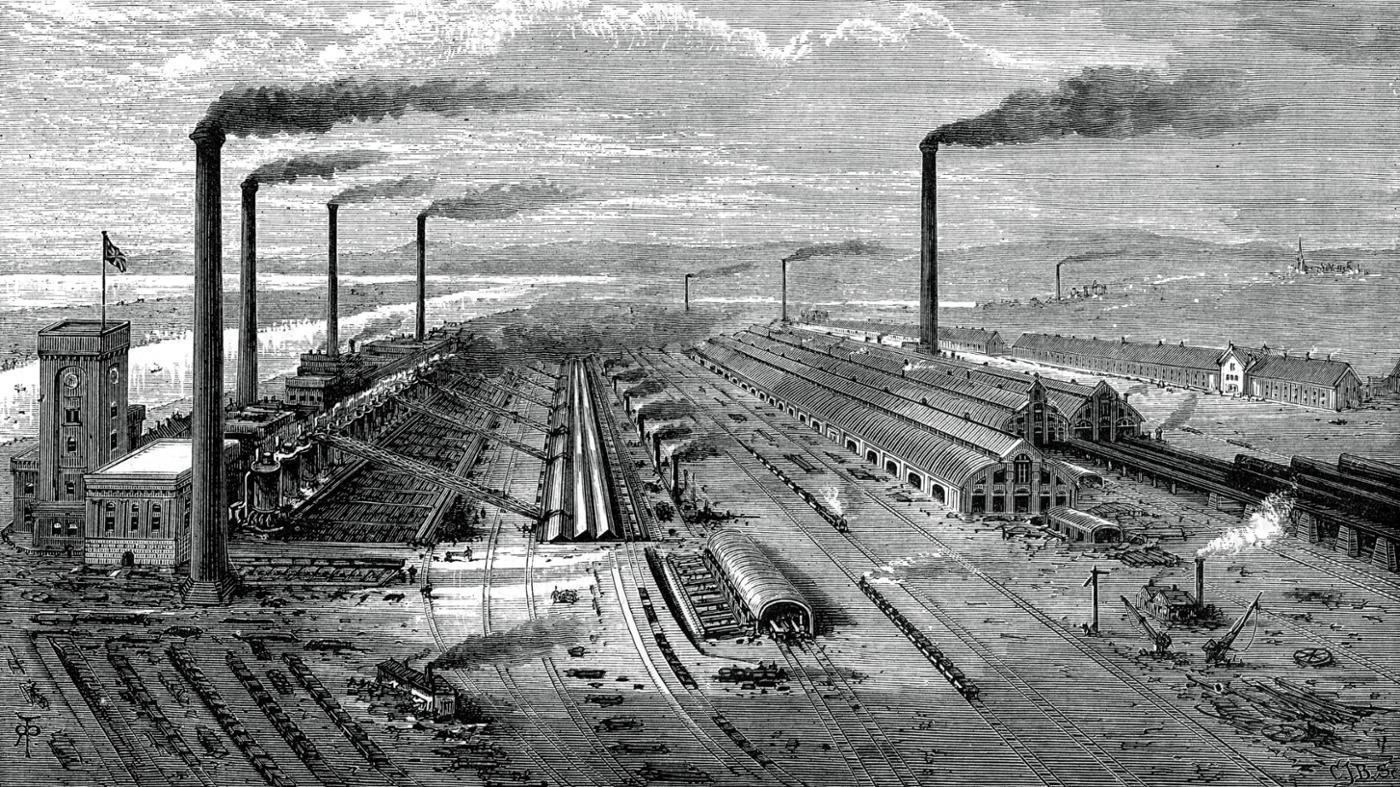


The refusal to deal and associate with people, or participate in activities, or buy and use things; usually a form of protest is known as _________________.
Boycott
Picket
Forced recruitment
Begar
How did scientists begin challenging authority during the Scientific Revolution?
By careful observation of nature and willingness to question old beliefs
By reading classic literature
By collecting samples of plant life
By forming new government ideas
The invention of the _______________________ helped spread old and new ideas
Printing Press
Microscope
Thermometer

