
 Worksheets
Our Changing Earth
Total questions: 30
Worksheet time: 15mins
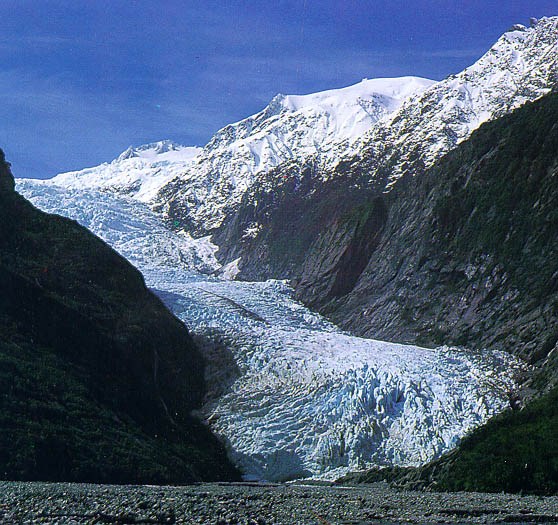

What caused this landform ?
water
glacier
wind
Sea
Which force acts in the Interior of the Earth
Endogenic Force
Exogenic Force
None of these
Both (A) and (B)
Which forces work on the surface of the Earth
Endogenic Force
Exogenic Force
None of these
Both (A) and (B)
................... is an Instruments which records the intensity of the Earthquake waves
Richter Scale
Seimograph
Barometer
none of these
The place of origin of an Earthquake is called
Epicentre
Focus
Waves
Seismograph
......................... is the sudden shaking of the Earth's crust
Surface Waves
Earth Quake
Exogenic Shake
none of these
In 2001 massive Earthquake occured in
Bhuj (Gujarat)
Jammu and Kashmir
Chamoli (Uttarakhand)
Latur (Maharashtra)
Seismic waves are of
Two types
Three types
Four types
Five types
Which is not the work of wind as an agent of erosion and deposition?
Mushroom rocks
Sand dunes
Loess
Arches
Which is not an erosional feature of sea waves?
Sea cave
Beaches
Cliff
Sea stacks
Select the slow changes to Earth's surface
weathering
landslides
erosion
floods
deposition


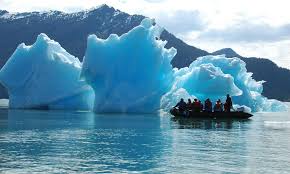
The depositional feature of a glacier is:
Flood plain
Beach
Moraine
Stack

Mushroom rocks are found in:
Deserts
River valleys
Glaciers
Mountains

Ox bow lakes are found in:
Glaciers
River valleys
Deserts
Mountains
Ox bow lakes are found in:
Glaciers
River valleys
Deserts
Upper Course of river

A massive earthquake hit Bhuj town on..............
26th January 2001
26th January 2002
15th August 2001
15th August 2002
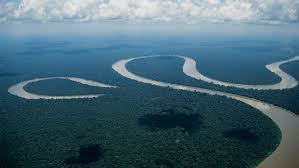
As the river enters the plain it twists and turns forming large bendes known as ...................
meanders
ox-bow lake
Flood plains
Levees

The sea waves deposits sediments along the shores forming ..............
beaches
Sea caves
Sea Cliff
Sea Stack

"rivers of ice " Means ..............
Glacier
Moraines
Ice-sheets
Levees

When very fine and light sand is deposited in large areas. It is called...........
loess
stack
Plains
Dunes

Erosion is the wearing away of the landscape by different agents like ---
water
wind
ice
all the above
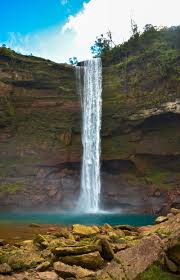
Which waterfall is the highest in the world?
Angel Falls
Niagara falls
Victoria Falls
Hundru Falls

