
 Worksheets
Scientific Method and Safety
Total questions: 35
Worksheet time: 20mins
Which of these safety symbols reminds you to protect your eyes by wearing goggles and to use the eyewash station if needed for eye protection?


Which of these safety symbols reminds you to protect your hands by wearing appropriate protective gloves and to not hold an object in your hand while cutting it?


Which of these safety symbols reminds you to inspect glassware before use and to notify your teacher immediately if a piece of glassware breaks?


Which of these safety symbols reminds you to be aware of the source of any flames and to know the location of the fire extinguisher and blanket and what to do if you catch on fire?


Which of these safety symbols reminds you to treat all animals in the laboratory carefully and respectfully and to wash your hands thoroughly after handling any animal?


Which of these safety symbols reminds you to not use equipment with frayed electrical cords, not to use electrical equipment near water, and to hold the plug housing when plugging in or unplugging equipment?


Which of these safety symbols reminds you to clean up spilled chemicals immediately yourself unless otherwise instructed by the teacher and to handle all chemicals safely - as demonstrated by your teacher?


Which of these safety symbols reminds you to wear an apron or a lab coat, tie back long hair, secure loose clothing, wear closed-toed shoes, as well as any other protective measures needed?


Which of these safety symbols reminds you to use care when cutting with scissors and to not run with scissors?


Which of these safety symbols reminds you to not eat any part of a plant in the lab, not to pick wild plants unless instructed to do so by the teacher, and to wash your hands thoroughly after handling any plant materials?


Which of these safety symbols reminds you to clean and sanitize all work surfaces and equipment after each lab period and to dispose of all materials properly - as directed by your teacher?


Which of these safety symbols reminds you to keep your hands away from your face during lab activities, to wash your hands thoroughly after every lab activity, and to remove any contaminated clothing immediately?


Which of these safety symbols reminds you to use extreme care when handling sharp/pointed instruments, be aware of sharp objects/edges, and to cut objects on a suitable surface - always in a direction away from your body?


Which of these safety symbols reminds you to work in a well-ventilated area and to not inhale or sniff fumes directly?
Which of these safety symbols reminds you to never leave a lit object (flame) unattended and to extinguish flames as soon as you finish heating?
Which of these safety symbols reminds you to immediately pick or wipe up any items or spills so it doesn't become a slip/fall hazard and to tell your teacher immediately if you spill a chemical?
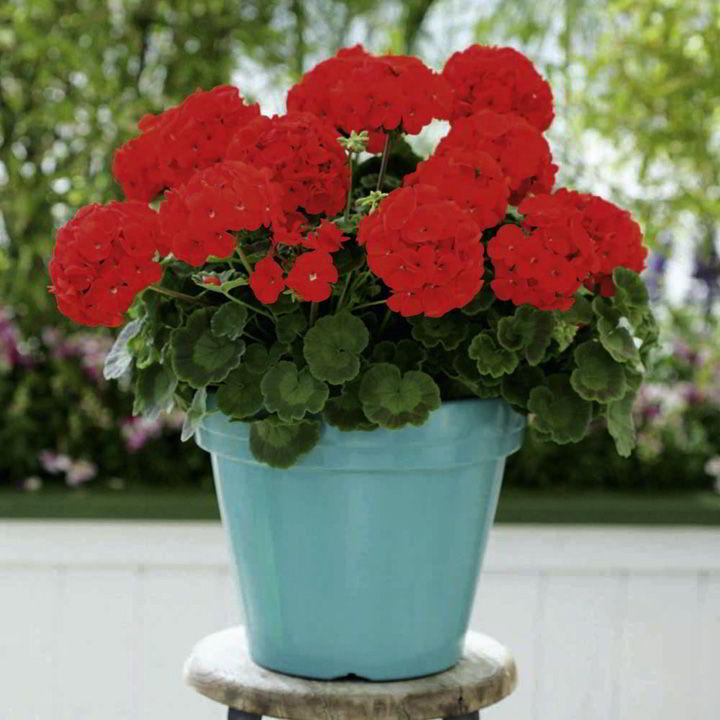
Susan said, “If I fertilize my geranium plants, then they will have more flowers.”
recognize a problem
test the hypothesis with an experiment
form a hypothesis
draw conclusions
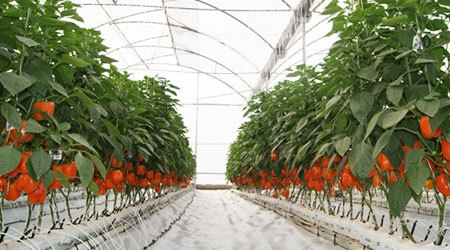
Bob read about growing plants in water. He wanted to know how plants could grow without soil.
coming up with a question
test the hypothesis with an experiment
form a hypothesis
draw conclusions
What is the last step of scientific method?
hypothesis
observe
communicate
question
Out of the two variables (independent and dependent) which one can you control.
independent
dependent
constant
hypothesis
What is something in the scientific method that dosen't change. ex. location, temperature, container size
hypothesis
expirement
constant
conclusion

on which axis does the independent variable go
y-axis
x-axis
on which axis does the dependent variable go
y-axis
x-axis
a scientific test or trial used to answer a question
demonstration
question
scientific method
experiment
anything that can change or be changed
dependent variable
independent variable
variable
one thing that you can change on purpose in an experiment, also called a controlled variable
dependent variable
independent variable
variable
the thing that you measure in an experiment, the outcome of the experiment
dependent variable
independent variable
variable
All the things the scientist keeps the same in their experiment.
Control variables
Dependent variable
Data
Hypothesis

