
 Worksheets
Ch 6 Changes Around Us
Total questions: 25
Worksheet time: 12mins
Ice melts to form water. What is the cause of this change.
Heat
Cooling
Both heating and cooling
None of above
Which of these changes can be reversed? (Select all that apply)
Rolling dough (before baking)
Clothes becoming wet
Writing with pen
Tearing paper
Which of these cannot be reversed
Heating metal
Cutting out airplane
Folding paper plane
Heating metal cannot be reversed (T/F)
True
False
When object is cooled, it's size
Increases
Decreases
Remains same
None of the above
The burning of wood
Can be reversed
Cannot be reversed
Can be expanded
Can be melted
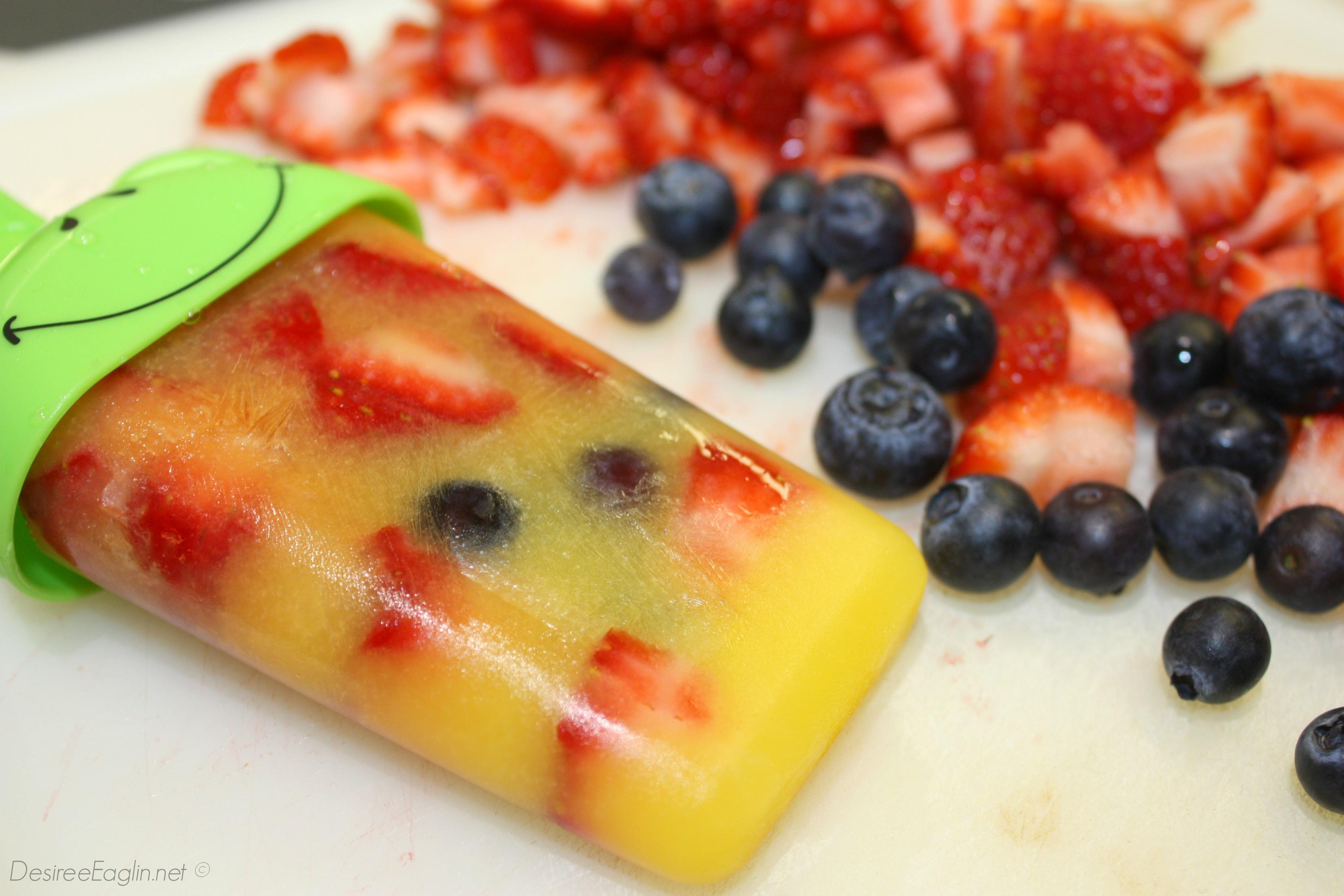
Which of the following changes cannot be reversed?
Milk to paneer
Cold milk to hot milk
Yarn to knitted sweater
Wet clothes to dry clothes
Changes that lead to the formation of new substances are called_________.
Physical change
Chemical change
A bag of cement lying in the open gets wet due to rain during night time. The next day sun shines brightly. Do you think the changes that have occured in the cement can be reversed?
Yes
No
Classify the following as reversible or irreversible changes:
(i) Growth of a plant
(ii) Ploughing a field,
(ii) Melting of wax
(iv) Falling of rain
(v) Pulling of rubber string
(vi) Breaking of a glass rod
(mi) Cooking of food.
Reversible : (ii), (iii), (v)
Irreversible changes : (i), (iv), (vi), (vii).
Reversible : (iii), (ii), (iv)
Irreversible changes : (i), (v), (vi), (vii).
Which one of the steps while burning a candle is not reversible?
Melting of solid wax
liquid wax changes into vapours
Wax vapour bums into flame
All of these
Which of the following is not a man-made change?
Change of day and night
Burning of fuels
Drying of clothes
Tearing of paper

What is a change?
A change refers to a difference in shape, size, colour or any other property of a object.
A change occurs everyday and everywhere around us.
All of the above.
Which type of change is Growing of plant?
Irreversible change.
Physical change.
Chemical change.
Which of the following is a reversible change ?
Burning of forests
Ripening of fruits
Burning of candle
Melting of ice
Give an example of physical change
kicking a football
burning a paper
growth of animals and plants
cooking
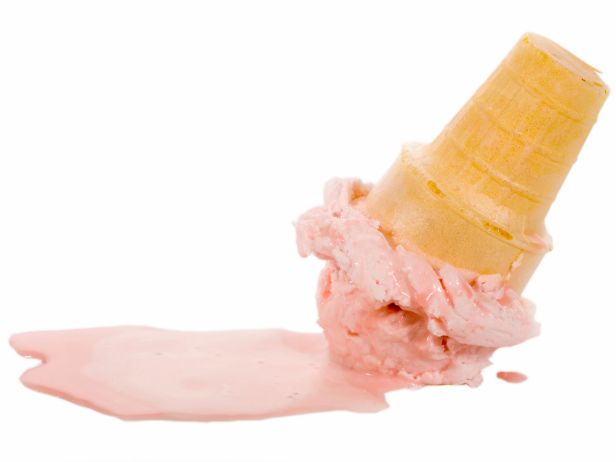
The picture shows an example of a ______________ change.
reversible
freezing
irreversible
all of the above
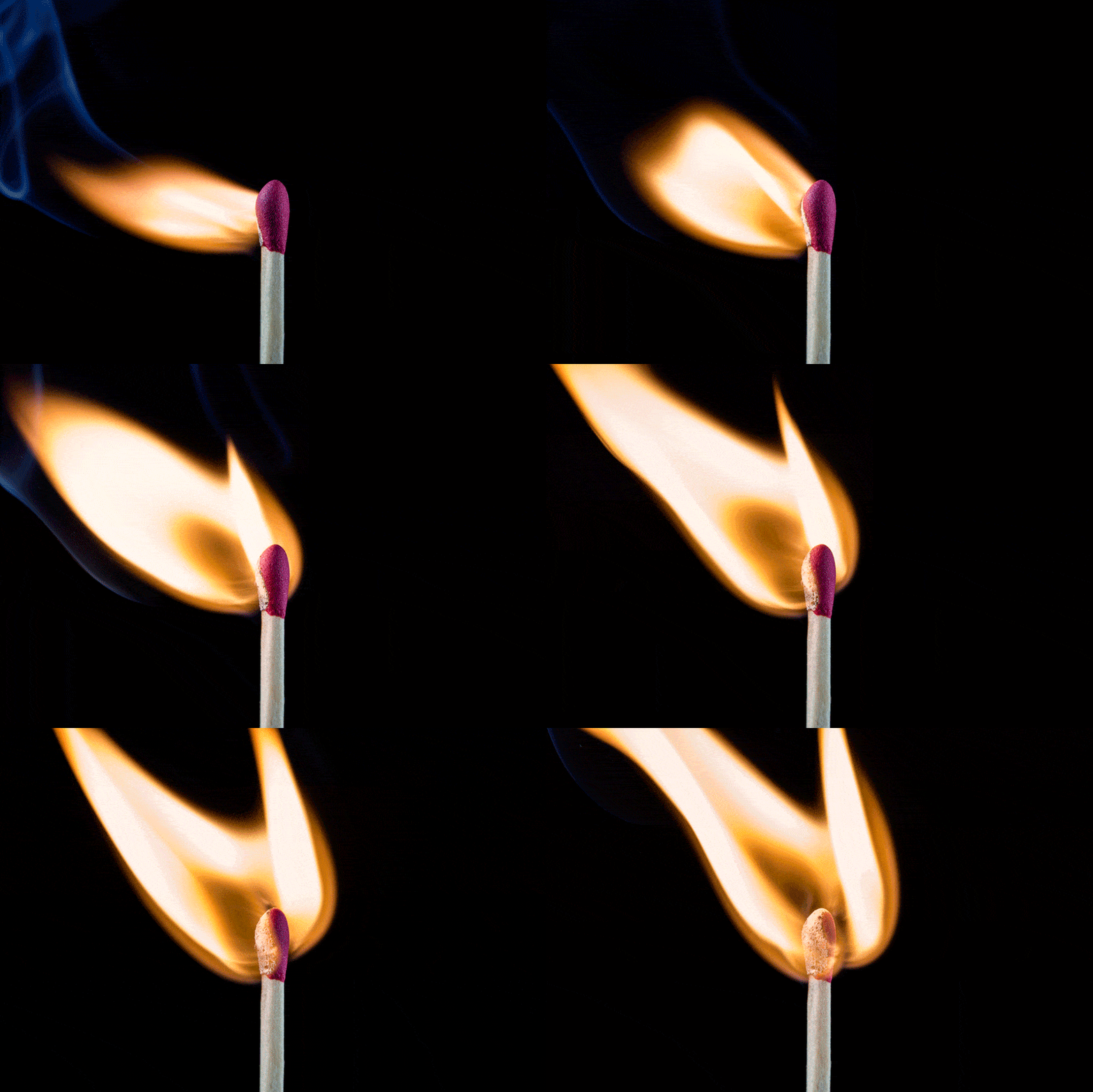
Reversible Change
Irreversible Change
Both options are correct
None of the above
Which one of the following is a beneficial change?
rusting of iron object
spoilage of food
ripening of fruit
souring of milk
The iron blade of a soil digging tool is fixed to a wooden handle by the process of ______________.
melting
contraction
expansion
freezing
A balloon changes its size and shape on blowing air into it. Will it gain its previous shape and size if air is blown out.
Yes
No
A potter working on his wheel. He shapes a lump of clay into a pot. Can this change be reversed.
No
Yes
What is the state of ice?
Solid
Liquid
Gas

