
 Worksheets
Science 5 LT 1 Revision A
Total questions: 100
Worksheet time: 1hrs 15mins
What is the function of seed coat?
it covers and protects the seed
it is a place where photosynthesis happen
it stores food
it can develop into young plant
What is the main function of the roots
To store water and food
To provide support and keep it stable
To absorb water and minerals in the soil
To stop soil erosion
The female part of a flower is called?
Petal
Flower
Stamen
Carpel
Three factors required for germination are?
Carbon dioxide, correct pH, water
Oxygen, correct temperature, water
Oxygen, correct pH, carbon dioxide
Correct temperature, oxygen, light
Plant life cycles begin with a _____.
seed
egg
What happens FIRST in the life cycle of a plant?
a plant blooms
a seed sprouts
the seed produces flower
the seed produces fruit

The stages through which a living thing passes during its life are called ___________.
pollinate
germinate
life cycle


In which way do you think this seed can be dispersed?
water
wind
animals
explosion

How can this creature help plants?
by carrying pollen
by carrying honey
by carrying seeds
by carrying fruits
What is fertilization in plant life cycle?
seeds growing into seedlings
pollen fusing with ovum
pollen moving away from the parent plant
adding fertilizers to plants
In which part of the plant does fertilization happen?
in the flower
in the roots
in the fruits
in the stem
Which of the following shows a seedling?


A seedling is...
the hard outer later that protects the seed
the first sprouts of a seed
a seed only found within a flower
What is a seed coat?
a plant
the outer protective layer of a seed
a cute little jacket the seed wears to stay warm
None of these
What does it mean to germinate?
to begin to grow or sprout
to cough on people
A flower that is not opened up or fully grown
None of the above
What is an embryo?
to begin to grow or sprout
a tiny new plant inside a seed
a full grown plant
a flowering plant
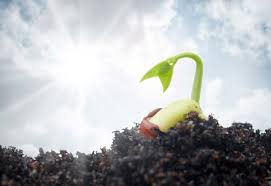

When a seed starts to bring forth a root, it is said to be in the _________ stage.
seedling
germination
adult stage
root bearing stage

What stage of the life cycle is this plant in?
Seed
Germination
Seedling
Adult plant

When a plant starts producing flowers, it is in the _________ stage.
seed
germination
seedling
adult

A plant that has started producing fruits is in the ________ stage.
fruit
growing
seedling
adult

After germination comes ________


The process whereby a seed grows into a new plant is called __________
planting
germination
flowering
fruiting

Select the first two processes in the life cycle of plant.
Root grows downward
Flowers are produced
Fruits are produced
The stem grows upward
How do we know plants are alive?
we can smell the flowers
we can eat the fruit
we see them grow and change
the doctor told me they were alive
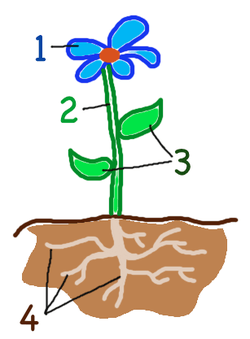
Plants make their own food.
True
False
What does germinate mean?
starts to grow
start to die
to water the plant
to clean the plant, so it doesn't have any germs
which plant part makes seeds?
flower
leaves
roots
the birds
New plants grow from __________.
minerals
seeds
pollen
life cycle
What does the stem of the plant do?
supports the leaves and carries water
anchors the plant
makes seeds to confine the life cycle
absorbs sunlight
Seeds grow into...
pollen
new plants
more seeds
robots
How the condition in dessert?
Low temperature
High rainfall
Dry
Wet
Example of flowering plants is ….
Pine
Mosses
Hibiscus
Fern

The label F is ....
Stigma
Filament
Sepals
Anther

The picture above show us pollination by
Self pollination
Cross pollination
Which flowers do you think are pollinated by the wind?


Ferns and mosses are different from flowering plants. How do they reproduce without seeds.
pollination
seeds
spores
nuts
What is Pollination?
seeds getting away from the mother plant
pollen fusing with the ovum
pollen landing on the stigma of a flower
seed turning into a seedling
Which part of the seed comes out first when a seed germinates?
the leaves
seed coat
root
shoot
1. It is found in the ovary.
pollen
nectar
ovule
2. Pollination is important to -
produce seeds
produce nectar
produce flowers
3. When the pollen joins the ovule, it is called -
pollination
fertilisation
cross pollination
4. It is the most common growth medium for plants.
warmth
light
soil
6. Plants make -
carbon dioxide
helium
oxygen
The ferns reproduce by:
Spores
Seeds
An apple has:
Seeds
Spores

How do insects like this butterfly help flowering plants reproduce?
By drinking the nectar.
By making plant seeds.
By pollinating the flowers.
By mixing nectar to make food for the plant.
What are the main parts and function of the male reproductive organ in plants?
stigma and ovary - produce pollen
stigma and style - produce pollen
anther and filament - produce pollen
anther and filament - capture pollen
What is the female reproductive organ of a flowering plant?
anther
filament
carpel
stamen

Dandelions have seeds with a fluffy feature to carry the seeds with the wind. Why?
allows the dandelion to grow larger
prevents predators from eating the seeds
make sure the seed does not go too far from the parent
allows the seeds to travel long distances


What is seed dispersal?
The growth of a seed to form a seedling
The fusion between male and female parts
The transfer of pollen grains from the anther to the stigma
The scattering of seeds away from the parents plant
The purpose of seed dispersal is for the seeds to __________.
germinate at the same time
grow near to parents' plant
prevent overcrowding
compete with one another for minerals in the soil
The purpose of seed dispersal is for the seeds to __________.
germinate at the same time
grow near to parents' plant
prevent overcrowding
compete with one another for minerals in the soil

Why are shorea seeds able to be dispersed by the wind?
It is light and has wing-like structure
It has hooks to hook onto the fur of animals
It has a fibrous husk that makes it float
It has dry pods that split open

Which of the seeds below has the same dispersal method as the seed/fruit in this picture?


Why are dandelion seeds able to disperse by wind?
Have small seeds and edible
Have air spaces and dry
Have hooks that attached with animals fur
Light and have small hairs
What are the characteristic of the seeds dispersed by animals?
A: Can float on water
B: Sweet and juicy
C: Have hooks or stiff hairs
D: Have wing-like structures and are light
A and B only
B and C only
C and D only
A, B and C only

How are bur seeds dispersed?
By wind
By animal
By splitting
By water

What is the characteristics of a coconut?
Able to float on water.
Waterproof, having husks and air spaces.
Light, big and having husks.
Waterproof and having edible husks.

Which of the plant below has the same way of seed dispersal as the plant above?
Mango
Coconut
Dandelion
Pea plant
Why do plants need water to germinate?
It keeps the seed cool and dark
It releases energy stored in the seed
It causes the seed to swell and break open
It allows the seed to make food for the young plant

All seeds have
Seed coat
First Seed
Embryo
All of the above

It is the spreading of seeds to other places.
germination
habitat
seed dispersal
Why it is better for seeds to be scattered far and wide?
To provide shelter to other animals.
For farmers to see which soil is good for the plants.
For plants to have a better chance of growing healthier.
Plants need … to grow well.
light, water and air
light, water and warmth
light and water
light, water, air and warmth
In photosynthesis, the word photo means …
putting together
take picture
light
air
Most seeds do not need … to germinate because they can germinate in the dark soil.
warmth
light
air
water

Which stage of germination is showing by arrow?
Seed coat splits
The first leaves grow
The first root grows
The first shoot grows

Which condition does the plant in the picture is missing for growth?
Water
Light
Warmth
Air

What was the height of the plant at the week 1?
10 cm
15 cm
20 cm
25 cm
In which picture seed germinate better?


Which condition does the plant in the picture is missing for growth?
Water
Light
Warmth
Air
Plants need________ so that they can have strong stems and firm leaves. They also use _______ to transport substances such as food to all parts of the plant.
Which word will complete the sentences above correctly?
Light
Water
Air
Warmth
Photosynthesis takes place in their ….
leaves
stems
roots
fruits
The seed gets its energy from its
soil
food store
seed coat
The ______________ is the first part of the new plant that starts to grow. Next grows the ___________ and then ____________ next.
shoot, leaves, and root
leaves, root, and shoot
root, shoot, and leaves

Gertrude planted some beans in a pot. After 5 days her pot looked like this. Why?
She watered the seeds but placed the pot in the dark.
She did not water the seeds.
She used yellow-coloured soil.

What is the letter C pointing to?
seed coat
embryo
food store
undeveloped roots
What is germination?
The development of seeds into young plants
The process by which the plant grows in size.
Changes in the whole organism in terms of organization and function.

The most colorful part of the flower is called _______________.
Petals
Sepals
Stamen
Pistil

