
 Worksheets
Chapter 2 Cell Structure and Function Quiz 1
Total questions: 30
Worksheet time: 10mins
All of the following are principles of the cell theory EXCEPT _____.
the cell is the smallest unit of life
water is the main ingredient in every cell
all new cells come from preexisting cells
all living things are made of one or more cells
Eukaryotic cells...
Are the smallest cells in the world.
Have DNA in a membrane-bound nucleus.
Are only found in single-celled organisms.
Only come in one color: navy blue.
Which is not true about Prokaryotic cells?
They do not have a nucleus.
They have DNA.
They are larger than Eukaryotic cells.
Examples include cyanobacteria and E. coli.

Has ribosomes
Prokaryote
Eukaryote
both
i dont know
Which of the following are prokaryotic cells?
plants
animals
bacteria
Eukaryotes have many membrane-bound organelles? True or False
True
False
Which is true of prokaryotic and eukaryotic cells?
Prokaryotic cells are larger than eukaryotic cells.
Eukaryotic cells do not have nuclei, and prokaryotic cells do have nuclei.
Prokaryotic cells lack membrane-bound organelles, and eukaryotic cells contain membrane-bound organelles.
Eukaryotic cells are simpler than prokaryotic cells.
Which of the following structure can be found in a plant cell but NOT in animal cell?
vacuole
nucleus
chloroplast
mitochondria
An animal cell has a cell wall
true
false
What two parts of the cell are different between an animal and a plant cell
cell wall and nucleus
nucleus and cell membrane
cell wall and chloroplast
mitochondria and chloroplast
What organelle is responsible as site of protein synthesis?
Nucleus
Mitochondria
Golgi Apparatus
Ribosome

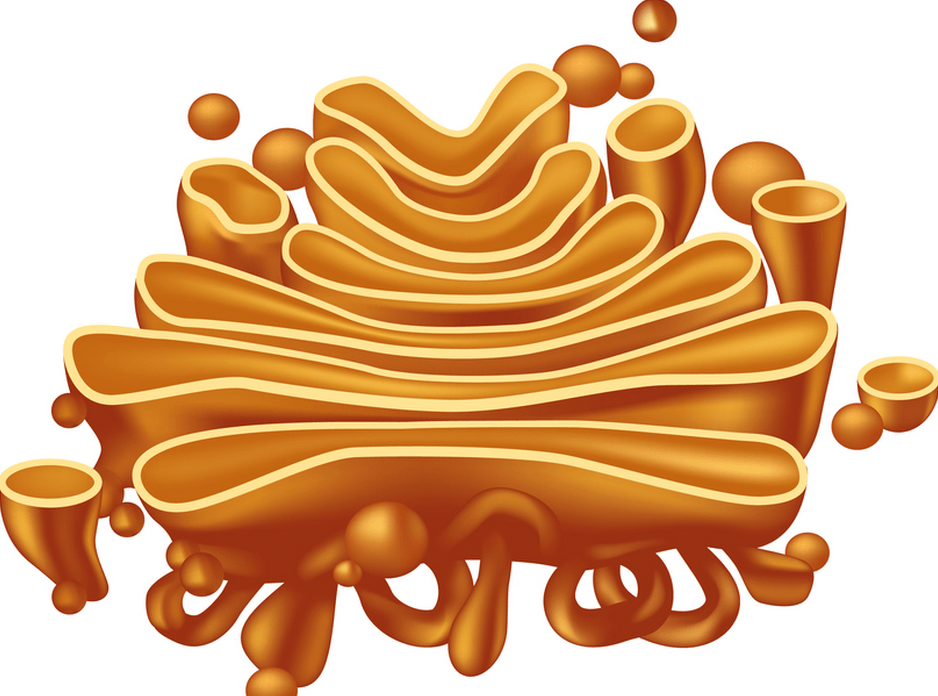
A series of folded membranes from the nucleus to the cell membrane that produce, package and transport proteins through the cell; may or may not have ribosomes on its surface.
Golgi bodies
endoplasmic reticulum
lysosomes
vacuoles
Make proteins; found in nucleolus, in the cytoplasm or on rough ER
lysosomes
mitochondria
chloroplasts
ribosomes
Contain hydrolytic enzymes used to digest food/substances in the cell
vacuole
lysosomes
mitochondria
ribosomes
where cellular respiration takes place giving cells much needed energy
chloroplasts
mitochondria
nucleus
endoplasmic reticulum
Organelle that captures light energy from the sun to make glucose sugar through photosynthesis
mitochondria
cell wall
chloroplast
Golgi bodies
How is the DNA different in prokaryotic and eukaryotic cells?
Prokaryotic has circular DNA and eukaryotic has double helix DNA.
Prokaryotic has DNA in the nucleus and eukaryotic has DNA in the cytoplasm.
Prokaryotic cells do not have DNA, but eukaryotic cells do.
Prokaryotic cells have double helix DNA and eukaryotic cells have circular DNA.

I am one of semiautonomous organelle.
cell wall
mitochondria
cytoplasm
chloroplast


