
 Worksheets
WH Unit 1 Ancient River Valley Civilizations
Total questions: 50
Worksheet time: 1hrs 14mins
Which of the following is NOT one of the 4 river valley civilizations?
Mesopotamia
Egypt
Mali
Indus
China
What geographic location did early civilizations settle around?
mountains
plains
rivers
deserts
Why did early people settle?
they got tired of walking
the ice age caused animals to die off, meaning less hunting
they wanted to settle around mountains to stay away from invaders
fertile soil near rivers meant good farming, causing a food surplus
Which one is not a characteristic of a civilization?
cities
nomadic tribes
religion
written language
Curved strip of land that runs from the Mediterranean Sea to the Persian Gulf that had fertile soil (hint: another term for the region of Mesopotamia)
Gift of the Nile
Silt
China's Sorrow
Which is the most famous Egyptian architecture with the purpose of serving as a tomb for pharohs?
Ziggurat
Temple Abu Simbel

Rich farming soil
The people of the Indus Valley practiced Hinduism, which is what type of religion?
Monotheistic
Polytheistic
Dualsistic
Realistic
What is a religion based on the teachings of Siddhartha Gautama, an Indian spiritual leader with ties to the religion of Hinduism?
Hinduism
Sanskrit
Buddhism
Reincarnation
What is the sum of a person's good and bad actions, viewed as deciding their fate in future existences?
Dharma
Karma
Reincarnation
Moksha
What is a person's personal duty, based on the individual's place in society?
Dharma
Karma
Moksha
Reincarnation
What is the world's oldest religion that developed in India with no single founder?
Buddhism
Hindiusm
Varna
Dharma
What is the ultimate goal of Hinduism?
To reach nirvana
To reach moksha
To be mummified
To be a king
What is the ultimate goal of Buddhism?
To reach nirvana
To reach moksha
To be mummified
To be a king
4. What is the mandate of heaven?
The idea that people should follow what the gods say
The idea that it doesn't matter how you are, you would still go to heaven
The idea that the emperor, the son of heaven, has the support of the gods (as long as he rules correctly.)
The idea that the emperor can take his belonging when he goes to heaven
5. What are the warring periods?
Periods of worrying
Period of warning for natural disasters
Periods of civil wars, instability, suffering, and violence
none of the above
6. Emperor Shi Huangdi, sent out an order to burn all books that did not have to do with the new philosophy of the empire. This is an example of
Buddhism
Confucianism
Legalism
The fire nation attacking
11.What is a dynasty?
A series of rulers from the same family
A series of rulers from the same continent
A series of rulers from the same country
A series of rulers
Confucianism focused on
Following the vedas of hinduism
The yin and yang
worshipping more than one god
Respecting rulers and elders
According to belief in the Mandate of Heaven, earthquakes and floods might be signs that
A. the king did not govern well.
B. the end of the world was near.
C. the people did not obey the laws.
D. the natural world ignored humans.
What technology enabled the Assyrians and Chaldeans to defeat neighboring city-states and empires?
Decoding machines for hieroglyphics
Bronze tools and sailboats
Iron weapons and chariots
Stone weapons
Which quotation from the teachings of Confucius is most similar to the Golden Rule from Judeo-Christian teaching?
“While a father or mother is alive, a son should not travel far.”
. “By nature, men are pretty much alike. It is learning and practice that set them apart."
“If a ruler is upright, all will go well without orders.”
“Do not do to others what you do not wish for yourself.”
Use the statements below to answer the question
SPEAKER A: The laws of nature, not government, should rule society.
SPEAKER B: A good ruler will rule by example, not by decree.
SPEAKER C: Because people have greed, government needs rigid laws.
The speaker's statement that BEST reflects Daoist ideals is
Speaker A
Speaker B
Speaker C
“It is better to do the work of your own caste poorly than to do the work of another caste well.” This statement BEST expresses the idea that in traditional India
some castes do better work than others
skilled workers were needed throughout India
little social mobility existed between castes
each person could choose his/her occupation
1. Showing respect for parents
2. Maintaining family honor
3. Honoring all elders
Which term is most clearly related to these three actions?
Nirvana
Animism
Karma
Filial Piety
Which river had predictable flooding?
Tigris River
Nile River
Huang He/Yellow River
Indus River

Sumer

Sumer
The Five Characteristics of Civilizations are 1.)Advanced Cities 2) Advanced Technology 3) Complex Organizations 4) Specialized Labor and 5.)__________________
Extensive Farming
Domestication of Animals
Record Keeping
Two story buildings
What was the name of the religious buildings in Sumer?
Ziggurats
Temples
Mosques
Churches

Name the River Valley Civilization shaded in purple on the map
Egypt
Mesopotamia/
Sumer
India
China
Egyptian developed a type of government in which rule is based on the religious authority of the pharaoh.
Democracy
Theocracy
Oligarchy
Monarchy
Embalming, drying, and wrapping a body to prevent it from decaying.
canopic jars
papyrus
mummification
sarcophagus
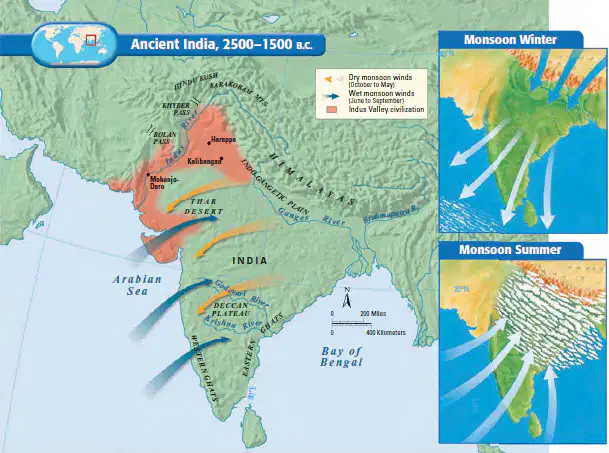
The Harrapans in the Indus River Valley were known for
The Great Wall
Building Pyramids
City-Planning
The Grand Canal
Hammurabi's Code is an example of
Codified laws and using religion as a political tool
Religious Traditions
The first alphabet
The laws of Judaism
Which of the following is NOT an example of polytheism?
Egyptian Religious Beliefs
Hinduism
Judaism
Mesopotamian Religious Beliefs

Which Chinese Philosophy matches the quote?
Confucianism
Daoism
Legalism
Who founder of Buddhism?
Jesus
God
Siddhartha Gautama
Moses
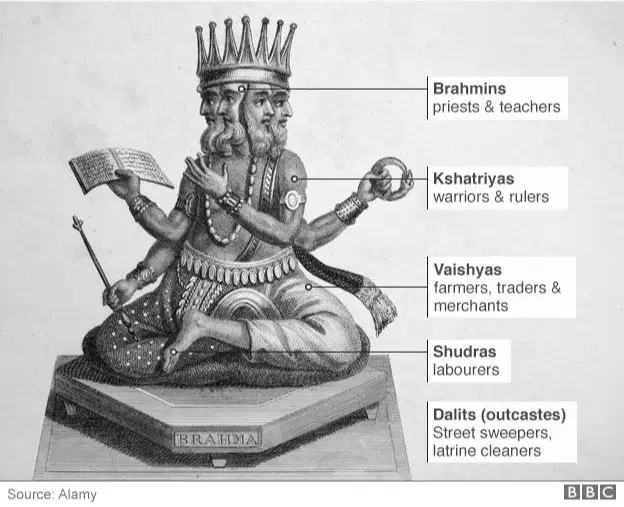
What does this image depict?
Different Mesopotamian gods
Ancestor Worship
Buddha's Eightfold Path
Caste System in Hinduism

