
 Worksheets
Intro to American History 1491-1763
Total questions: 45
Worksheet time: 23mins

Who was fighting whom in the French and Indian War?
The French and the Indians
The British and the Americans
The Americans and the Spanish
The British (plus colonists) and the French (plus Native Americans)

What product made money for Jamestown?
Tobacco
Fur
Gold
Ships
Why did the Pilgrims go to America?
To stay out of jail
To make a lot of money
To worship God in their own way
To fight the Native Americans
He was the Pueblo Religious leader who united and led the pueblos in a revolt against the Spanish.
Otermín
Popé
Garcia
Peralta

Which of the following is a negative impact that the Columbian Exchange had on the native peoples of the Americas?
The spread of disease killed millions of people.
Agriculture spread to more regions.
The use of the horse caused native peoples to leave.
Native peoples were no longer allowed to use their languages.
Europeans established global trade networks that brought maize to Europe, chili peppers to India, and wheat to the Americas.

Who dedicated his life to ending the Encomienda system and helping the indigenous people of the New World?
Bartolome da Las Casas
Cristobal Colon
Christopher Columbus
Hernan Cortes
Francisco Pizarro

What happened as the Encomienda system declined?
The trafficking of enslaved persons from West Africa increased.
The indigenous cultures re-emerged and the New World became a Native American paradise.
Forced labor was discontinued and people were able to work freely for fair wages in safe and humane conditions.
Paid indentured servants were brought from Europe to replace the indigenous people who had been wiped out by disease, warfare, overwork, and harsh treatment.

What was the real motivation behind the Encomienda system?
To gain wealth, land, fame, prestige, and power for Spanish lords and kings and the Spanish Catholic Church
To help the indigenous people preserve their cultures and languages
To promote peaceful relations between the native peoples and the European explorers.
To teach people in Europe more about the newly discovered people, animals, and plants of the "New World."
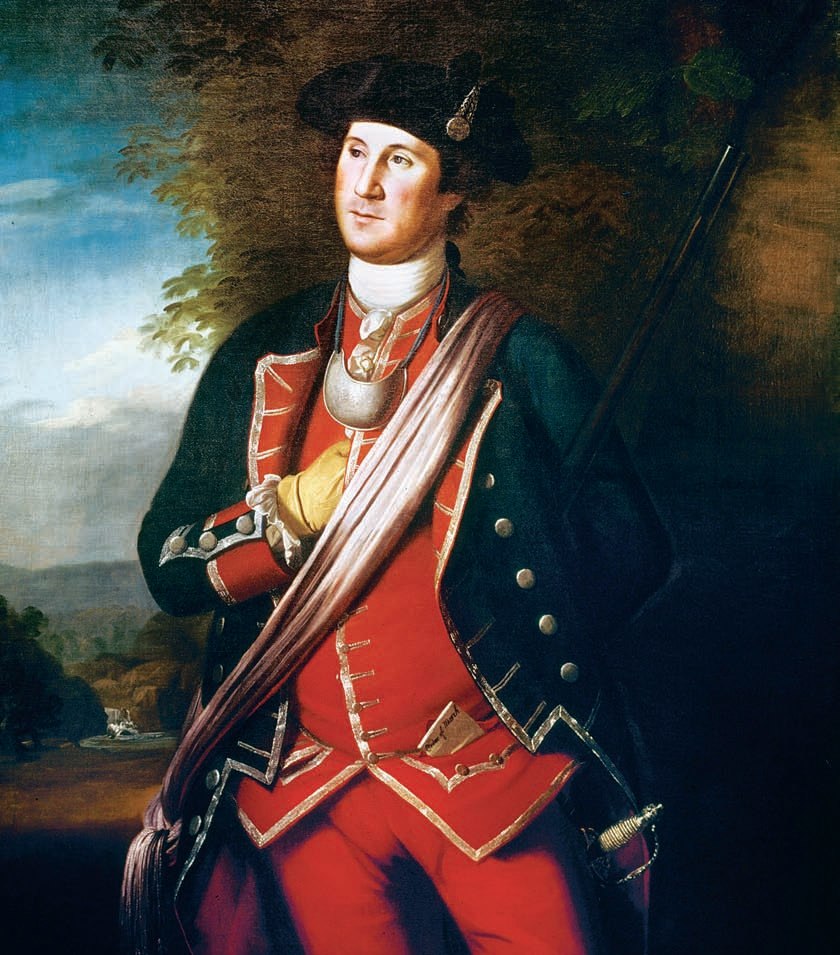
The French and Indian War left Britain with a lot of...
Casualties
Debt
War Prisoners
Lost Territory
What Treaty ended the French and Indian War?
Treaty of British
Treaty of French and Indian War
Treaty of Native Americans
Treaty of Paris
Which British leader sent money and supplies to North America to help them win the war?
William Pitt
Brad Pitt
Joseph Brant
General Sanders
Which group of colonies were defined by villages with town meetings, small farms and commercial fishing, and the first American college?
New England Colonies
Mid-Atlantic Colonies
Southern Colonies
Spanish Colonies
The original settlements in the thirteen British colonies were all located
west of the Mississippi River
on the Great Plains
along the Gulf Coast
east of the Appalachian Mountains
Tobacco and rice can best be described as which of the following?
cash crops of the southern colonies
cash crops of the Mid-Atlantic colonies
cash crops of New England
cash crops raised in urban centers of commerce
Under mercantilism, the thirteen American colonies were expected to provide Great Britain with
finished American-manufactured goods
raw materials and markets for British products
officials to represent colonial interests in Parliament
laborers to work in British factories
Which colonial region was the most diverse?
New England Colonies
Mid-Atlantic Colonies
Southern Colonies
The Carolinas
What was the main cause of the French and Indian War (1754-1763)?
disputed land claims in the Ohio River Valley between the French and the British
conflicts between American colonists and the French over control of the Great Plains
taxation of American colonists without representation in Parliament
violation of trade agreements between European nations and Native Americans
What was salutary neglect?
time period where Britain did not govern colonies strictly
Britain tried to take away self-government from colonies
colonies paid higher taxes than people in England
smuggling was strictly punished
Which is a result of the Great Awakening?
immediate movement for independence
unified colonists through religious revival
strengthened the power of the "Old Light" ministers
strengthened traditional sources of authority in colonies
In order to control the trade in the colonies England implemented this
Declaratory Acts
Navigation Acts
Sea trade agreement
World trade Acts

What crop was important in making Jamestown successful?
Corn
Tobacco
Potatoes

Which is true about the colonial government in the Virginia colony?
Virginia had a king similar to the monarchy in England.
There was no colonial government in Virginia.
Virginia had a representative government similar to Parliament in England called the House of Burgesses.
The New England colonies specialized in __________.
harvesting tobacco and cotton
shipbuilding and cod fishing
raising livestock

The rights of life, liberty, and property are called:
Unalienable Rights
Essential Rights
Natural Rights
Original Rights
What was the meaning of John Winthrop's comment, "We shall be as a city upon a hill."?
To have a city in the highest elevation in the world.
Create a city high enough to avoid Native American attacks.
To search for heaven.
Create a model Christian society that the world will look up to/copy
To John Smith’s frustration, the settlers in Jamestown directed most of their energy toward
Clearing land
Worshiping God
Trading with the Powhatan
Searching for gold and other riches
"Bacon's Rebellion" was mainly caused by
the treatment of slaves by rich landowners.
Oglethorpe’s treatment of Indians in Georgia.
conflicts between Spanish and English colonists.
the Governor of Jamestown's policies that favored wealthy planters and did not provide protection from Native Americans
The triangular Trade is best described as which of the following?
Trade routes between African, Europe and the Americans during the Atlantic Slave trade.
Trade routes over the silk route
Trade routes between the new world and old world
Trade routes that encompass the entire globe.
A court case that confirmed the rights of journalists to criticize the government as long as the statements are true.
English Bill of Rights
Bacon's Rebellion
The First Amendment
The John Peter Zenger Case
The most serious slave rebellion in the the colonial period which occurred in 1739 in South Carolina.
Mercantilism
Navigation Acts
Slave codes
Stono Rebellion

