
 Worksheets
Land Based Empires Review
Total questions: 82
Worksheet time: 45mins
What was Confucius?
a professor
a worker
a philosopher
an artist
According to Confucius, people are naturally
good
bad
a combination of good and bad
Which one of the things below was most important to Confucius?
power
education
wealth
fame
The silk road starts in
Wakanda
China
India
Egypt
What products people exchange?
Gunpowder
Paper
Silk
All of the above

The Silk Road is
one long road from Italy to Beiging
an network of trading routes that connected Europe and Asia (and Africa)
a single road made of silk
a network of short safe passages to China by boat

What do you call a family of rulers who rule over a country for a long period of time?
dualism
flash in the pan
dynasty
fantasy

What is true about the boundaries of the Mongol Empire?
It included North and South America
It was very small compared to other empires.
It stretched across Europe and Asia.
It was never peaceful or stable.
Around 1200 CE, this person unified the Mongol Empire
Kublai Khan
Genghis Khan
Confucius
Marco Polo
What Chinese belief permitted people to overthrow a bad ruler?
Imperial Rule
Mandate of Heaven
Civil Service Exam
Dynasty Inheritance
The exam system benefited China because it
ensured officials were trained and talented.
emphasized moral behavior.
helped unify Chinese culture with its values.
all of these are correct.
If you wanted a job in government service under the Song dynasty, which of these would you have studied?
the engineering of roads
the laws of other nations
the languages of Europeans
the teachings of Confucius.
How did the lives of some people from the lower classes change under the Song dynasty?
They were forbidden to celebrate popular holidays.
They stopped being required to serve in the military.
They began having to do forced labor building canals.
They gained an opportunity to become scholar-officials.
A _____ was built in Baghdad for the collection of books the caliphs had.
Classroom
Clinic
Storage room
Library
Controlling trade of which of the following two items made Mali very wealthy?
Copper and Silver
Gold and Silver
Gold and Salt
Silver and Salt


The Aztec Empire lived in central ___________.
Asia
Mexico
Panama
Cuba

________________________ was built on an island with complex canals and causeways.
Tenochtitlán
Omaha
Machu Picchu
Sapa Inca
Here are two facts about the Inca Empire:
• It stretched about 2,500 miles.
• It did not have a written language.
These facts explain why the Incas
had legends about their origin
conquered many other groups
used runners to carry messages
built their capital in the mountains
A set of strings tied into knots, called a quipu, was an aid for
finding the best route
remembering information
catching fish in the river
understanding the calendar
Much of the land that was once the Inca Empire is in which countries today?
Peru and Ecuador
Brazil and Paraguay
Mexico and Guatemala
Colombia and Venezuela
What did the Incas create to hold their empire together?
a network of roads
a central market
a school for sons of commoners
a flock of trained pigeons
The plague began where?
Europe
The Middle East
Central Asia
North America
The plague was NOT spread by merchants and traders
True
False
The crusaders were from which place?
throughout Europe
The Eastern Mediterranean
The Holy Land
Spain and Italy
Effects of the Crusades included
continued decline of feudalism
rise of a merchant class in Europe
exchange of goods and ideas between Europe and the eastern Mediterranean
increased intolerance for non-Christians
A pilgrimage is....
a journey to a sacred place
the government of the Roman Catholic Church
a series of actions tending toward a particular end
Which of the following statements about the effect of monsoon pattern on Indian Ocean trade are correct.
Unpredictable monsoon patterns facilitated trade on the Arabian Sea and Persian Gulf
Changing wind patterns made nonstop round trips possible.
Predictable monsoon patterns led to trade being conducted in stages
The size and stability of large ships did not play a role in how many mariners plotted their course around monsoon patterns


Which country is located at #3?
Ukraine
Russia
Spain
Europe is a ______________.
Country
Continent
State
The Aztecs created floating gardens for farming called -
olmecs
chinampas
Zapotecs
Yucatans

The purpose of the ritual shown in the picture at right was to -
take power and control away from the king.
show the common peoples' dedication to the king.
inspire younger warriors and prepare them for battle.
have the gods provide good crops and successful wars.
This type of agriculture was practiced by the Incas.
slash and burn
chinampas
3-field rotation
terrace farming
Where were the Aztecs located?
Plains of Mexico
Yucatan Peninsula
Andes Mountains
Panama Canal

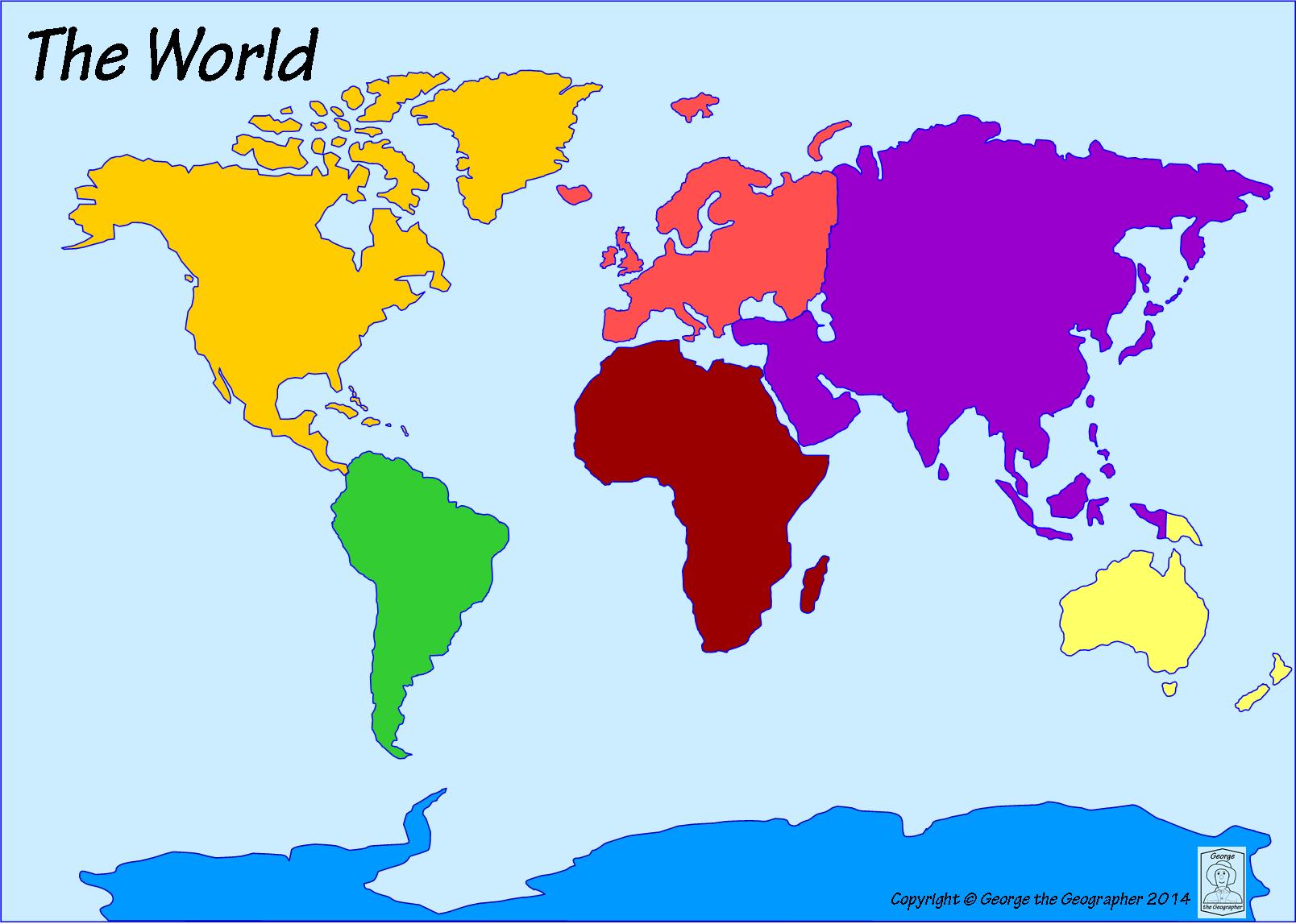
What is the name of the dark yellow continent?
South America
North America
Asia
Africa
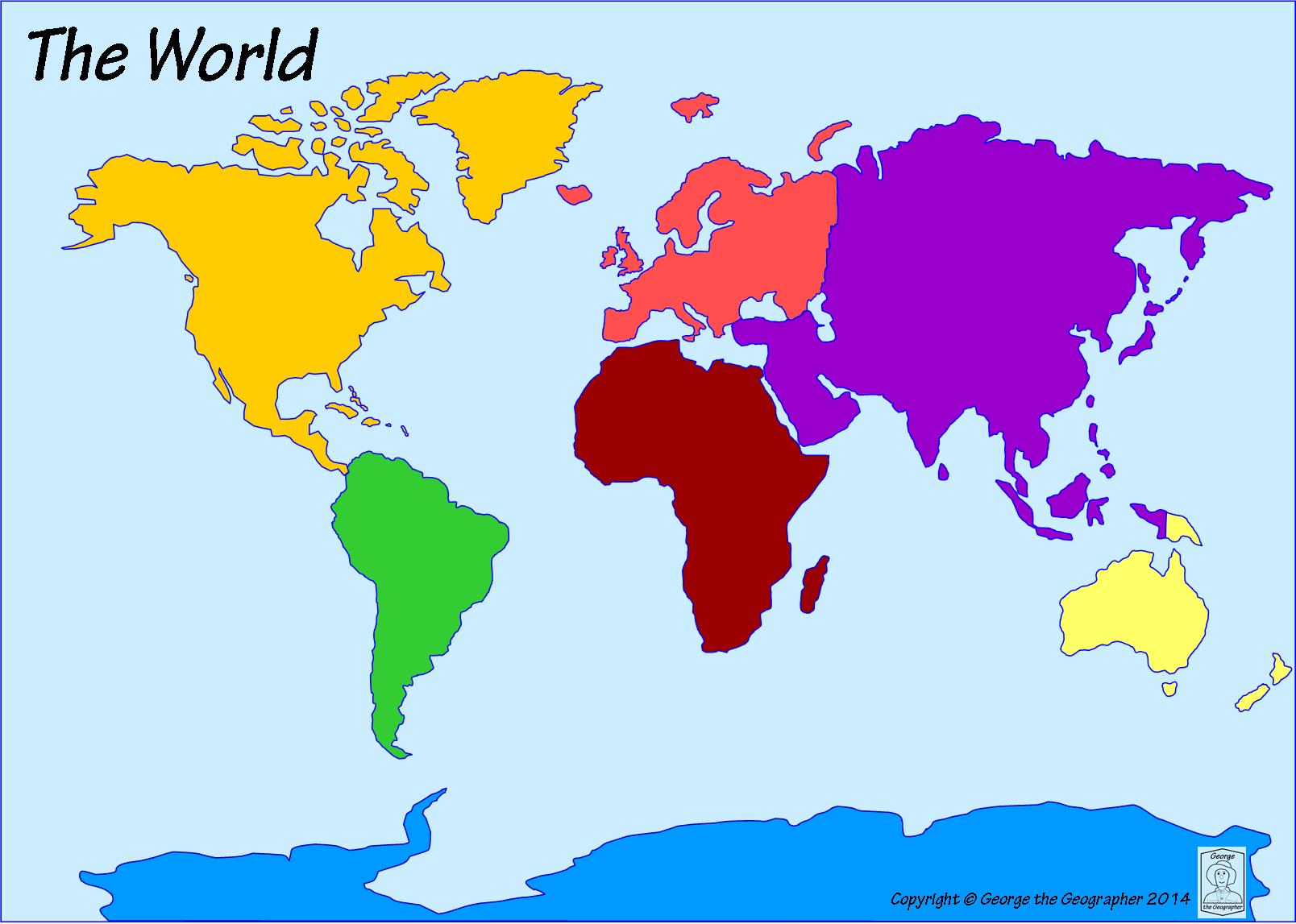
What continent is directly south of North America?
Australia
Europe
Africa
South America
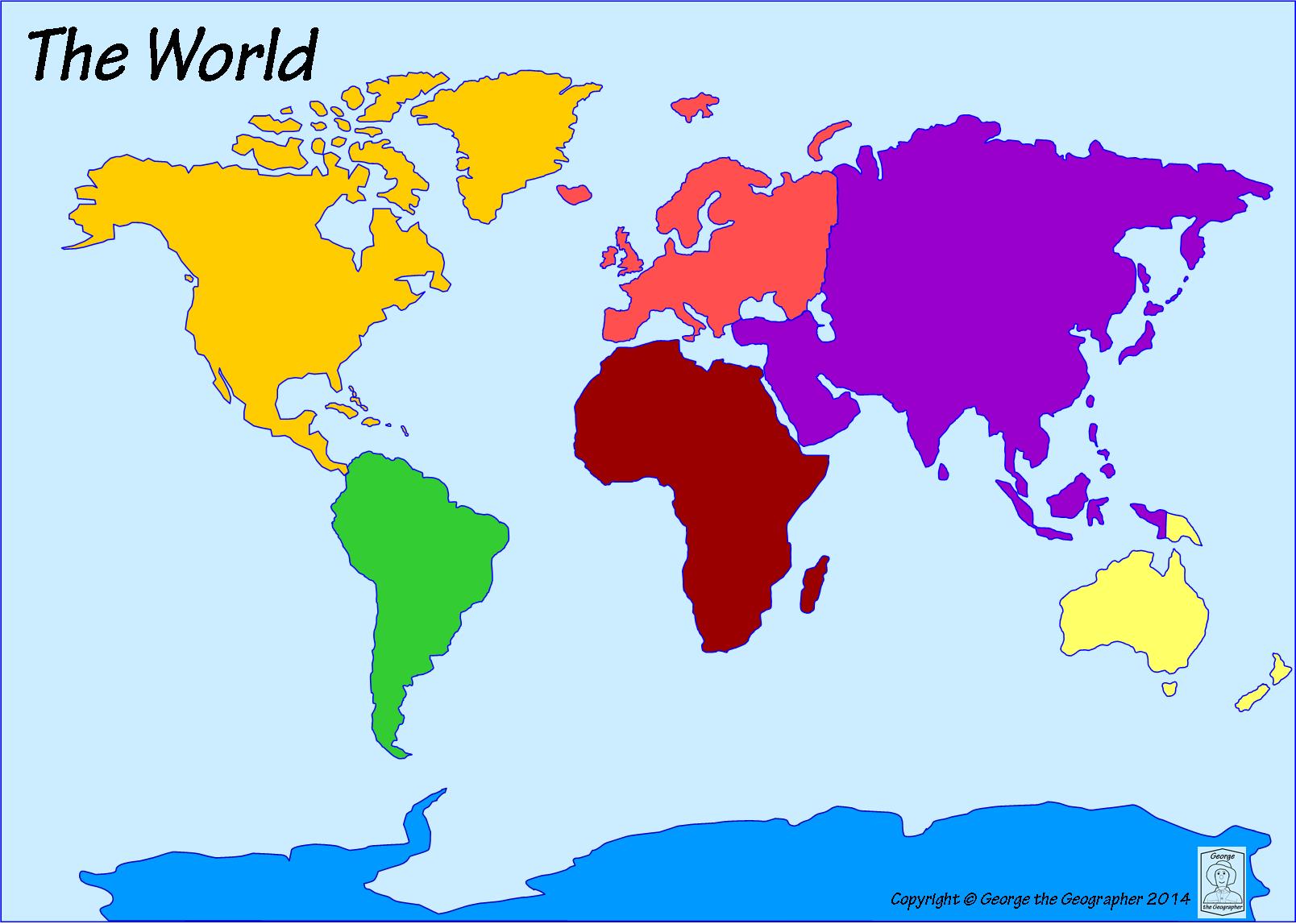
Which ocean is located off the east coast of North America?
Pacific Ocean
Atlantic Ocean
Indian Ocean
Southern Ocean
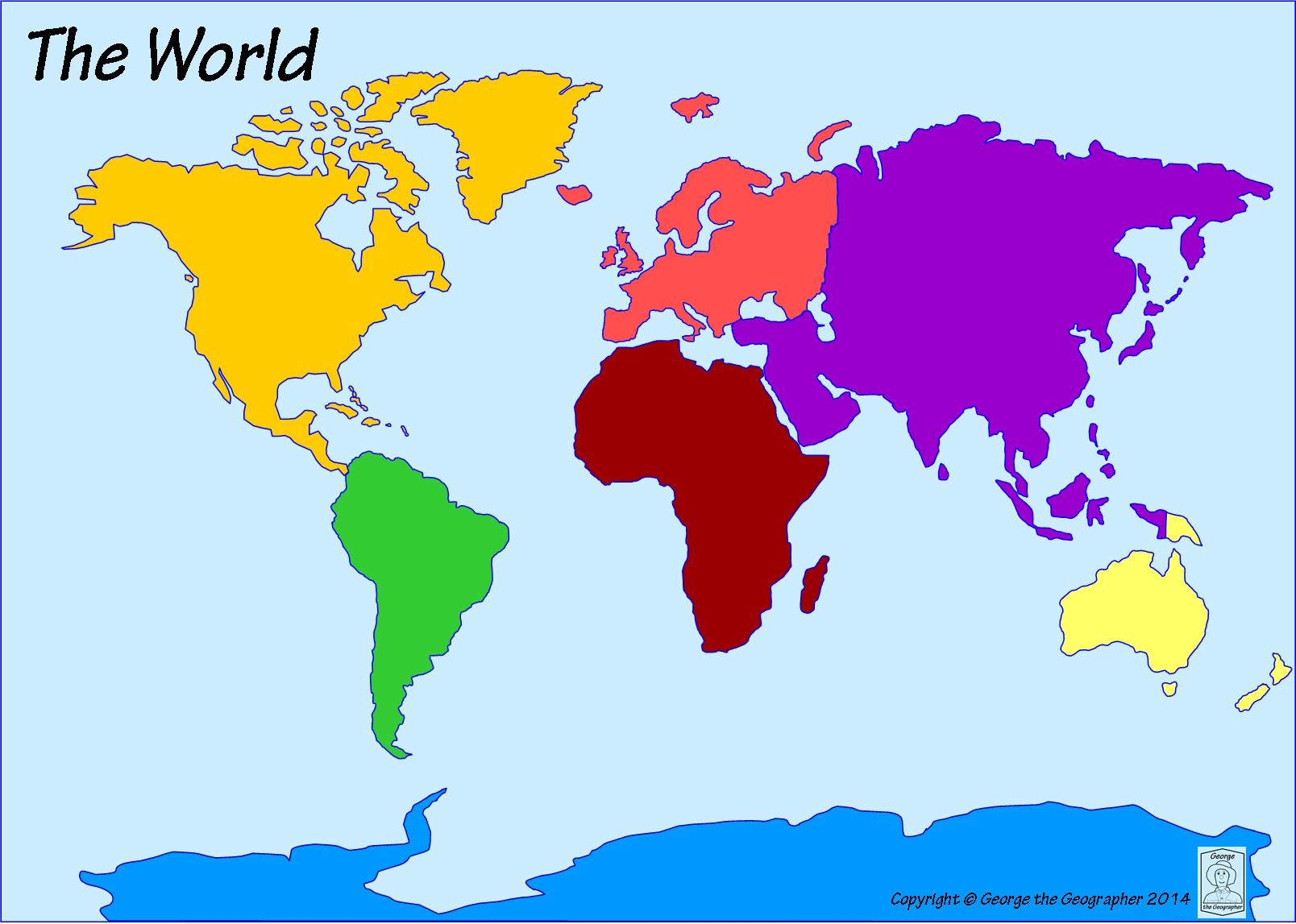
What is the name of the largest continent?
North America
Europe
Asia
Africa
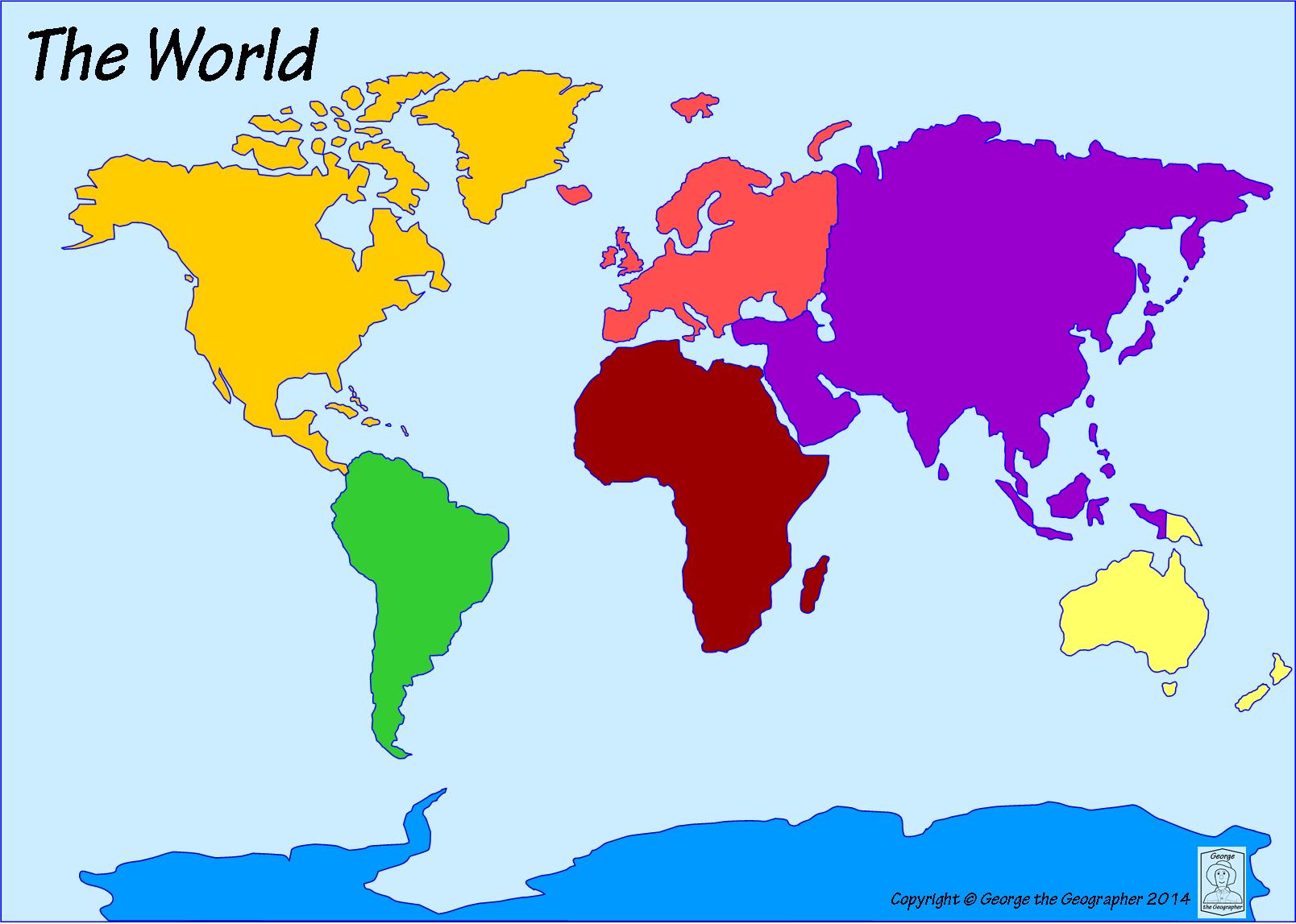
Which continent is located west of Asia?
Europe
Antarctica
Australia
South America
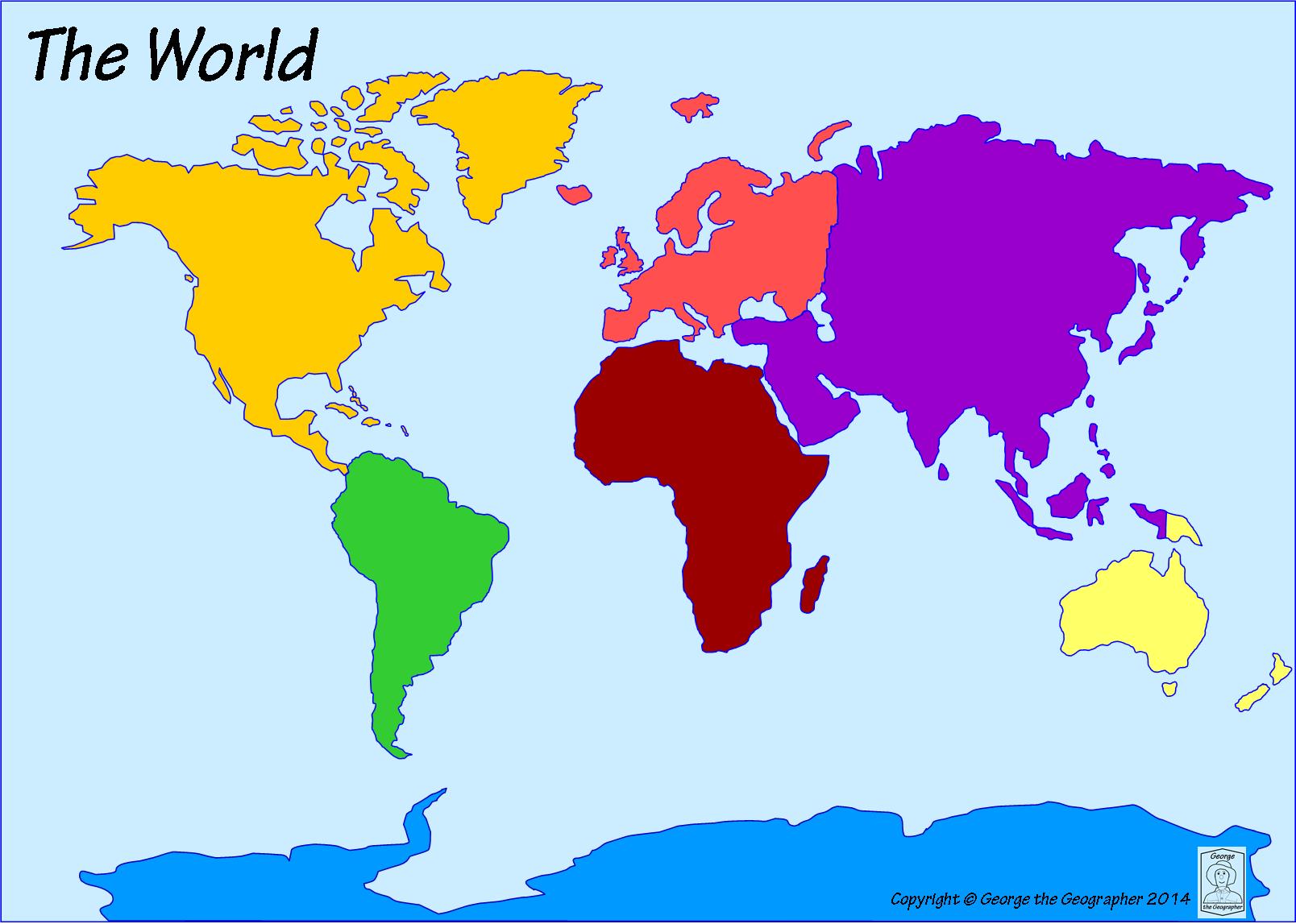
Which ocean is the farthest north?
Indian Ocean
Southern Ocean
Arctic Ocean
Atlantic Ocean
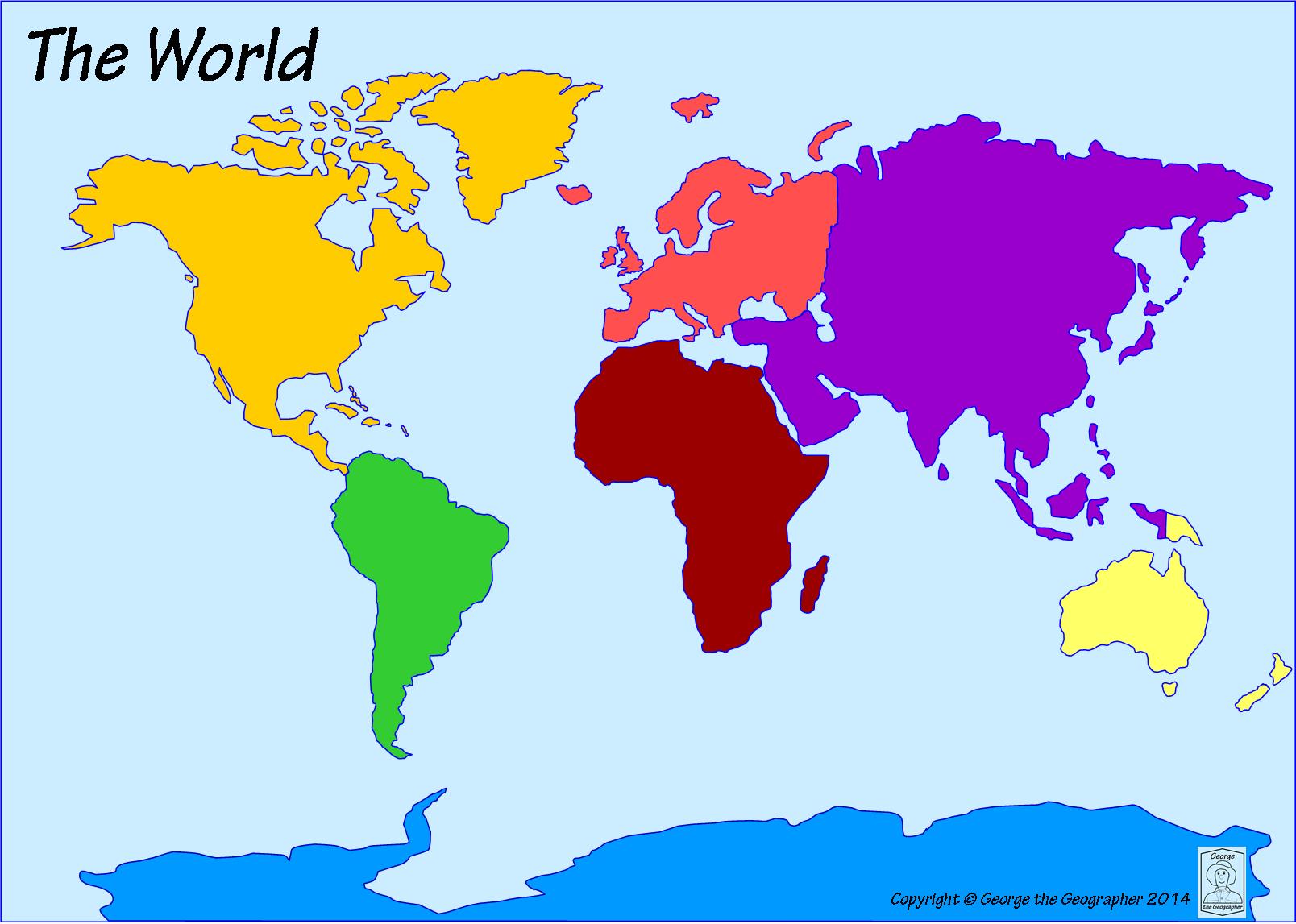
What is the name of the most southern continent?
Australia
Africa
Asia
Antarctica
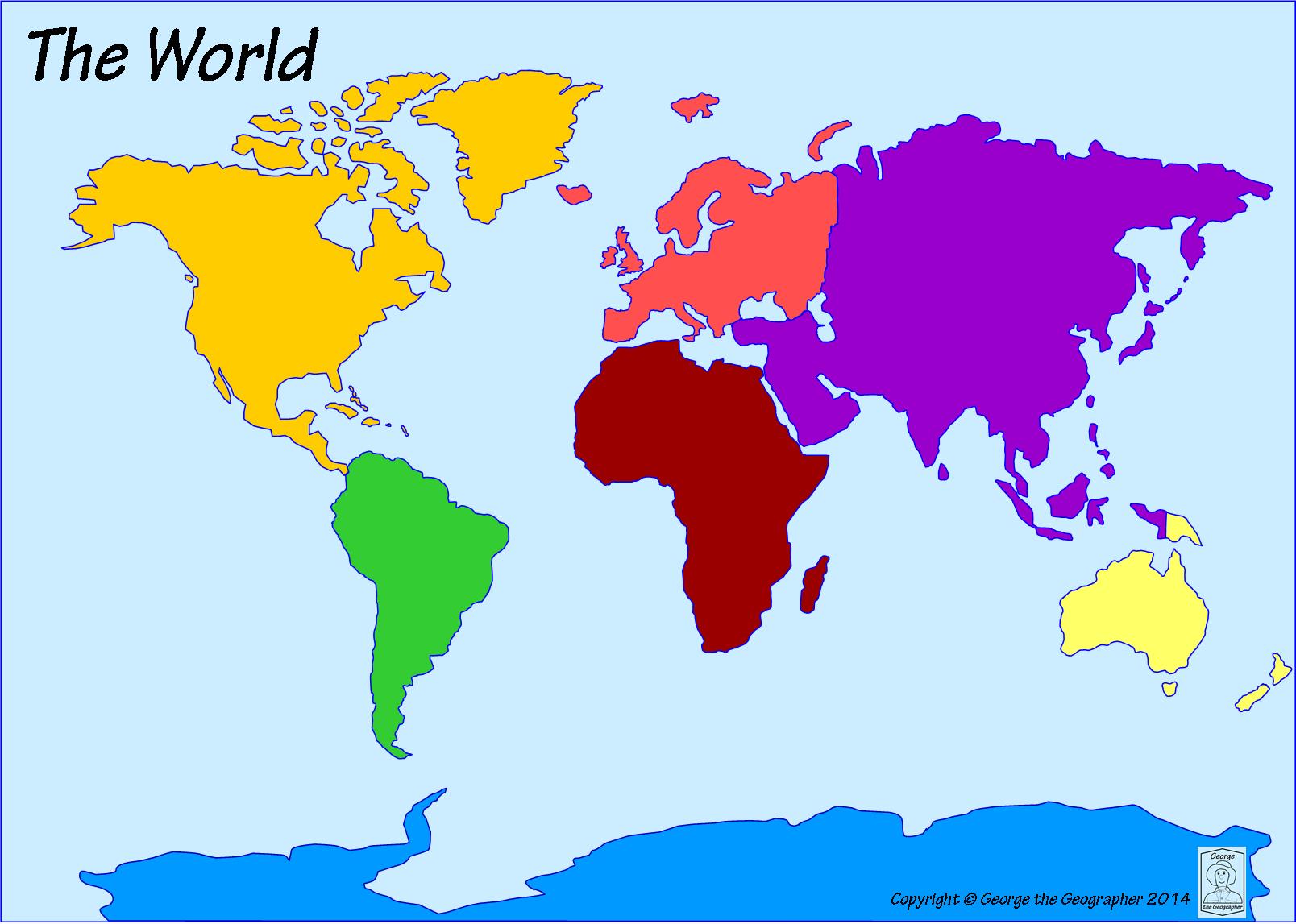
Which ocean is located to the east of Africa and to the west of Australia?
Atlantic Ocean
Indian Ocean
Pacific Ocean
Arctic Ocean
In the mid 8th century a new Islamic caliphate came into power in the ____ and ____ called the ____.
Middle east & North Africa; Abbasid caliphate
The middle earth & north Arab;
Ashbaid calusimate
Northen europe & North africa;
Caliphate
Who was the ruler of Mali that went on prigmages to mecca?
Mansa Mondey
Manas Musa
Mansa Musa
What kinds of texts did the Muslims translate
Greek phislophy & natural sciences
medical text
scientific and philosophical
Chinese text
star charts
Between the years 1200 to 1450, What three religions influenced Europe, Africa and the Middle East?
Judaism, Buddhism, Islam
Buddhism. Judaism, Christianity
Islam, Buddhism, Judaism
Christianity, Judaism, Islam
Under the Abbasid Caliphate, which city became the learning center?
Istanbul
Mecca
Baghdad
Cairo
What was some contents which were included in the House Wisdom in Baghdad?
Large private library
Gymnasium
Military camps
Irrigational systems
Crusaders were
Christians from the West
Muslims from the North
Egyptians from the South
Buddhists from the East

What is Ibn Battuta most known for?
For his traveling journeys.
For his scientific discoveries.
For his poetry.
For his discovery of America.
What Was The First Reason For Ibn Battuta To Leave His Home?
He Didn't Like His Home Anymore.
He Wanted To Go Find Another House.
He Wanted To Find Things To Trade.
He Wanted To Go On Hajj To Know More About Islam.
Timbuktu is famous as a great center of Muslim learning from Islam's Golden Age.
True
False
After the fall of the Roman Empire, Western Europe
faced a decline in unity, trade and education.
was conquered by the Byzantine Empire.
became the leader in literature and technology.
became the leader in literature and technology.
What was a way the Islamic religion spread so quickly?
By wars
By trading
What is a dynastic cycle?
A representation of the economic trends in the dynasty
A pattern of rising and falling of dynasties
A cycle of constant suffering and sadness among the Chinese
A demonstration of absolute competence among kings and emperors
Group of non-elected (appointed) officials who are responsible for different areas of government.
bureaucracy
Chang Jiang
ideograph
Daoism
Where are the Mongols from?
northern Asia
southern Asia
West Africa
Japan
Genghis Khan was:
a smart and organized ruler
only interested in fighting, nothing else
a religious leader
nice to women and children

