
 Worksheets
Water lab station 6
Total questions: 15
Worksheet time: 9mins
Name
Class
Date
1.

Molecules that stick to the same type of molecules.
a)
cohesion
b)
adhesion
c)
hydrophilic
d)
hydrophobic
2.

Which of the following makes up a molecule of water?
a)
one atom of oxygen, two atoms of hydrogen
b)
one atom of hydrogen, two atoms of oxygen
c)
one atom of chlorine, one atom of sodium
d)
one atom of hydrogen, one atom of oxygen
3.

A substance with a pH of 6 is called a....
a)
Base
b)
Acid
4.
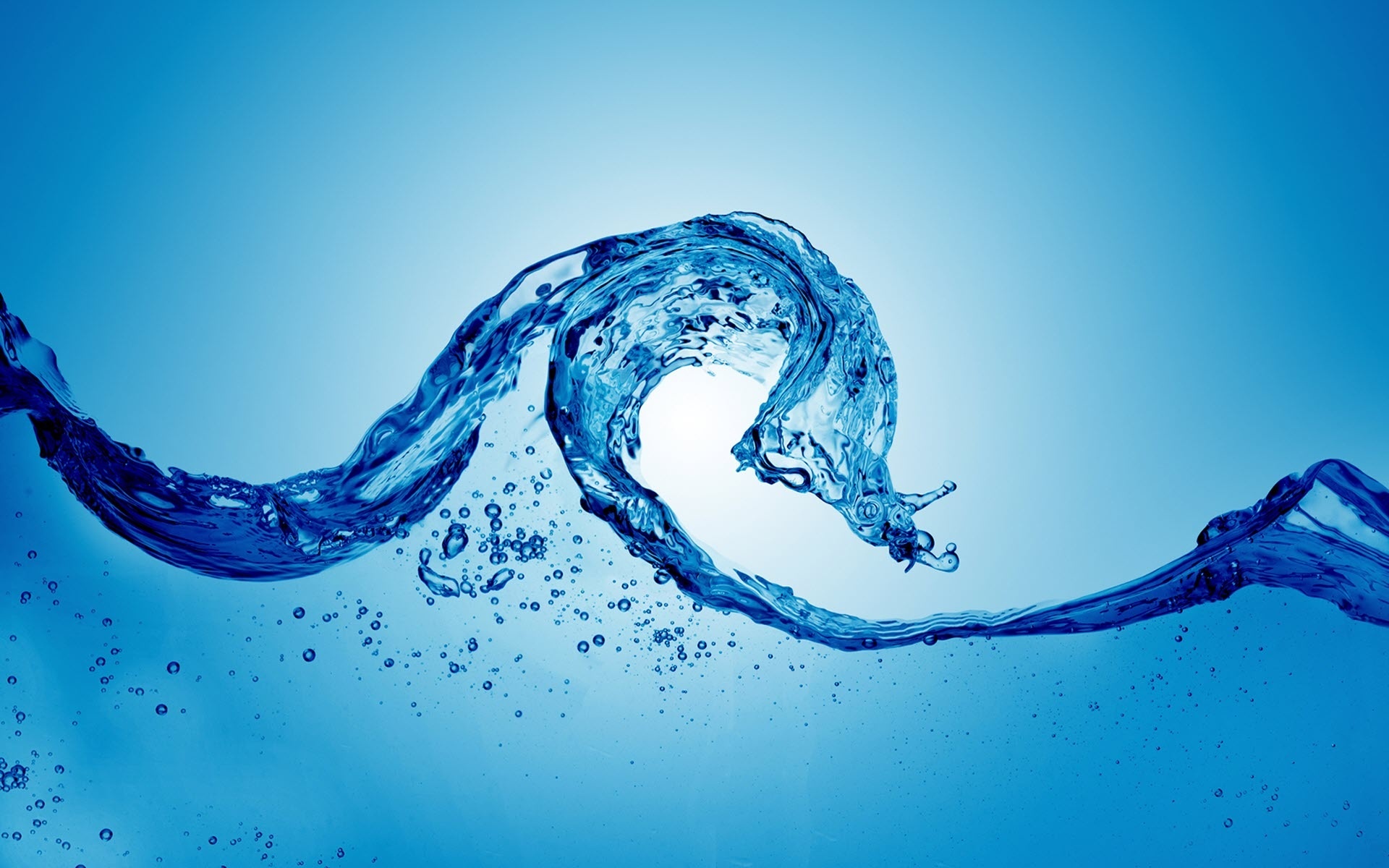
What two elements make up water?
a)
Helium and oxygen
b)
Hydrogen and oxygen
c)
helium and carbon
d)
oxygen and carbon
5.
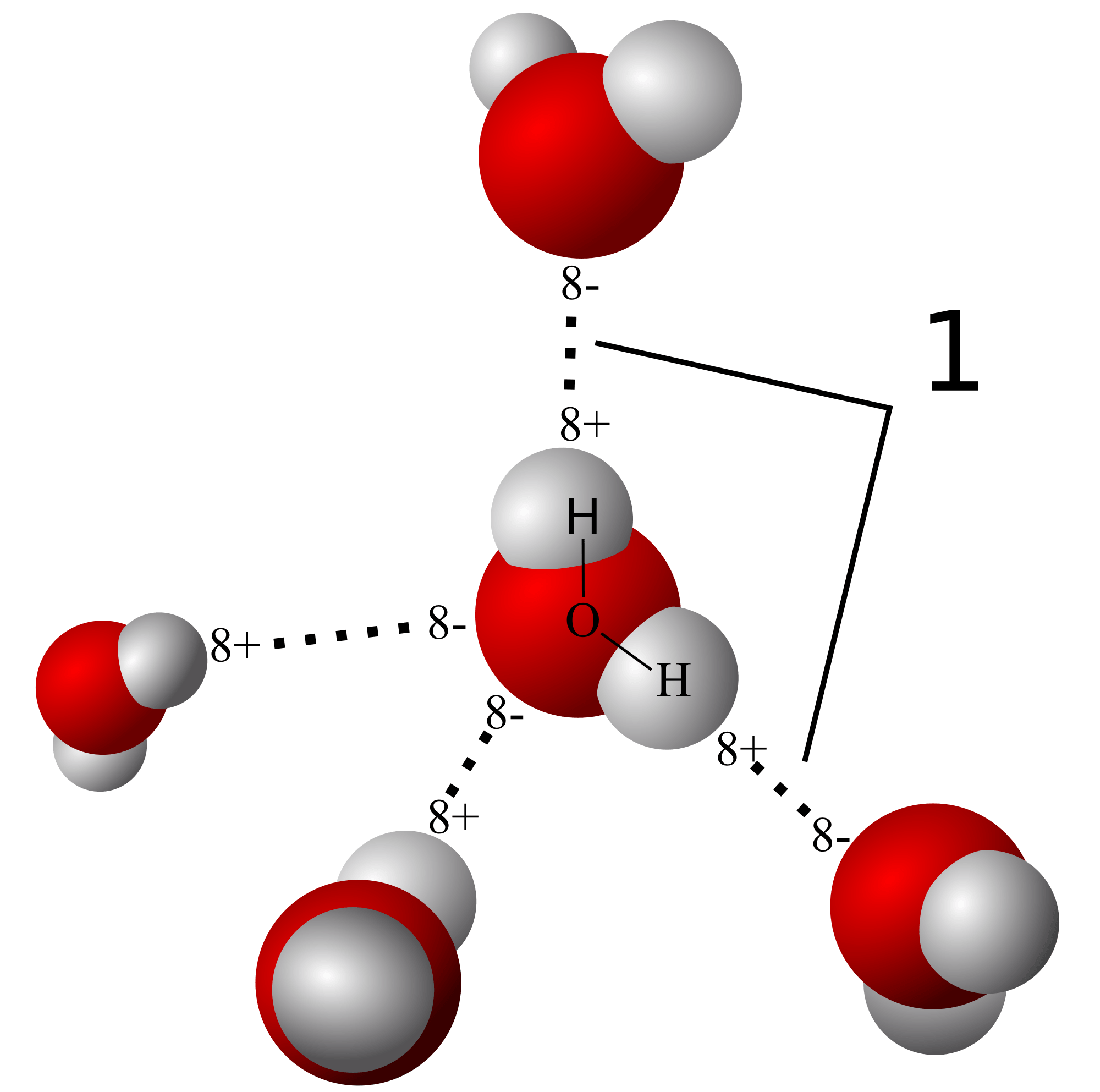
Attractions between water molecules are called
a)
Covalent bonds
b)
Ionic bonds
c)
Polar bonds
d)
Hydrogen bonds
6.
Water is polar because...
a)
The unequal sharing of electrons gives the water molecule a slight negative charge near its oxygen atom and a slight positive charge near its hydrogen atoms.
b)
The molecule has two poles, at which the it is colder than other regions of the molecule.
c)
The unequal sharing of electrons gives the water molecule a slight negative charge near its hydrogen atoms and a slight positive charge near its oxygen atom.
d)
The water molecule is neutral.
7.
How many hydrogen atoms are in a water molecule?
a)
5
b)
1
c)
2
d)
0
8.
_________ bonds form Oxygen and Hydrogen in a water molecule is called?
a)
ionic
b)
covalent
c)
hydrogen
d)
polar
9.
The fact that ice floats on liquid water is due to the fact that water's solid is ___________ than it's liquid form
a)
less polar
b)
more polar
c)
less dense
d)
more dense
10.
Which statement explains why water molecules stick together?
a)
both sides are negative
b)
one side has a positive charge and the other side has a negative charge
c)
one side has a negative charge adn the other side has a neutral charge
d)
both sides are positive
11.
The process by which a gas changes back into a liquid when heat is taken away.
a)
evaporation
b)
condensation
c)
precipitation
d)
freezing point
12.
The process by which a liquid changes to a gas when heat is added.
a)
evaporation
b)
condensation
c)
precipitation
d)
melting point
13.
What is the chemical formula for water?
a)
H20
b)
h2o
c)
H2O2
d)
H2O
14.
The electrons in a polar covalent molecule are shared...
a)
Evenly
b)
Unevenly
c)
Electrons are not shared
d)
None of the Above
15.
Water is a polar molecule
a)
True
b)
False
100 %

