wayground logo

Free Printable Worksheets

Font size

S
M
L
XL
Worksheets

Colonization Exploration Geography Review

Total questions: 53

Worksheet time: 53mins

Name
Class
Date
1.

Pilgrims & Puritans were:

a)

Groups that left England to practice their religion

b)

Groups that hated each other

c)

Groups that loved Native Americans

d)

Groups who believe kids should go to school everyday

2.

Which ocean is located on the eastern coast of the United States?

a)

Atlantic Ocean

b)

Pacific Ocean

c)

Arctic Ocean

d)

Southern Ocean

3.
Which of the following was a primary reason France sought to colonize North America?
a)
To create communities founded on religious tolerance
b)
to reduce overpopulation in Europe
c)
to profit from trading furs and other goods
d)
to create joint ventures with other European powers
4.
Which geographic conditions discouraged the development of a plantation economy in the New England Colonies?
a)
a wide coastal plain and an absence of good harbors
b)
rocky, hilly soil and a short growing season 
c)
numerous rivers and a humid climate
d)
flatland's and a lack of forests 
5.
With which statement would a Puritan minister in the colony of Massachusetts in 1660 have most likely agreed?
a)
" All men and women are created equal"
b)
"No man should be required to worship against his will"
c)
"Differences of opinion are essential for a society to improve"
d)
"Both the government and church have a common purpose of promoting virtue"
6.

What year was Jamestown established?

a)

1620

b)

1803

c)

1607

d)

1787

7.

Jamestown's economy finally improved when the colonists began growing

a)

sugar cane

b)

tobacco

c)

corn

d)

potatoes

8.

Where did the Pilgrims land in 1620?

a)

Jamestown

b)

Plymouth Rock

c)

Philadelphia

d)

England

9.
France's main motive for exploration was profiting from the tobacco trade.
a)
True
b)
False
10.

French colonist ....

a)

focused primary on fur trading

b)

participated in the triangular trade

c)

created an early system for public schools

d)

organised utopian societies

11.

REASONS FOR EUROPEAN EXPLORATION


  1. To find new sea routes to India and China
  2. To fin gold, silver, and other treasure
  3. ________________________________________ ?
a)

to spread democratic ideas

b)

to improve efficiency in manufacturing

c)

to locate potential military allies

d)

to claim new territory

12.
The first permanent English settlement in North America was
a)
Werowocomoco
b)
Yorktown
c)
Richmond
d)
Jamestown
13.
The most profitable agricultural product in the Virginia colony was
a)
lumber
b)
peanuts
c)
corn
d)
tobacco
14.
One motivation for England's exploration in the New World was _________________.
a)
to find new species of plants and animals
b)
profit
c)
to find a cure for new diseases
d)
to claim Florida
15.
Plymouth was established for _________________ reasons.
a)
political
b)
geographic
c)
economic
d)
social
16.

French colonist ....

a)

focused primary on fur trading

b)

participated in the triangular trade

c)

created an early system for public schools

d)

organised utopian societies

17.
The most profitable agricultural product in the Virginia colony was
a)
lumber
b)
peanuts
c)
corn
d)
tobacco
18.
Many of the European explorers wished to spread Christianity to native people.
a)
True
b)
False
19.
Culture is ___________
a)
the type of farming used by people
b)
system of warfare
c)
way of life of people, including arts, rules, and beliefs.
d)
a system where people make, share, and use goods.
20.
This person was chief of many tribes and provided leadership to his people and taught the settlers survival skills. 
a)
Pocahantas
b)
Powhatan
c)
John Smith
d)
Governor of Virginia
21.
Who were the first people to live in Virginia?
a)
English
b)
Africans
c)
French
d)
American Indians
22.
The first permanent English settlement in North America was
a)
Werowocomoco
b)
Yorktown
c)
Richmond
d)
Jamestown
23.
What was one of the reasons England wanted to start colonies in North America?
a)
to gain wealth
b)
to stop slavery
c)
to gain indentured servants
d)
to gain independence
24.
What brought the original colonists from England to Jamestown?
a)
the search for food
b)
the search for gold and silver
c)
the search for tobacco
d)
the search for religious freedom
25.
England wanted to establish a ________ in order to gain wealth and power.  
a)
colony
b)
country
c)
town
d)
tribe
26.
What rule did John Smith make that saved the settlement?
a)
If you do not work, you do not eat.
b)
Treat others as you want to be treated.
c)
If you find gold, you get to keep it.
d)
You cannot have a raccoon as a pet.
27.

Colonization is different from Exploration because ...

a)

exploration is done by people native to the land, colonization is done by foreigners.

b)

exploration is done with a purpose of finding what is out there, colonization is when you choose to make a settlement there.

c)

exploration is creating a community, colonization is breaking up a community.

d)

exploration is done with a purpose of finding out what is out there, colonization is when you choose to leave the area permanently.

28.

How did the colonists' reason for migrating influence where they chose to settle?

a)

They settled in a place where the physical features met their needs.

b)

They settled in a place where there were no physical features.

c)

They settled in a place where they had already explored.

d)

They settled in a place where the colonists had already been but did not like.

29.

What negative effect did the European explorers have on the Native Americans?

a)

They taught the Native Americans how to ride horses?

b)

They brought over diseases that the Native Americans couldn't cure

c)

They taught the Native Americans how to cook

d)

They taught the Native Americans how to farm their land

30.

Physical features of a region are ...

a)

Climate, people, and the natural resources

b)

Climate, landforms, and boundaries

c)

Climate, natural resources, and landforms

d)

Climate, colonies, and freedom

31.

How did exploration and colonization change the population?

a)

The population remained the same.

b)

The population was decreased.

c)

The population was increased.

32.

The original inhabitants of the Americas were the ...

a)

explorers

b)

colonists

c)

British

d)

Native Americans

33.

Which came first, exploration or colonization?

a)

exploration

b)

colonization

34.

What was the reason the Europeans first started to explore?

a)

To look for new waterways

b)

To look for spices

c)

To look for new land

d)

All of the above

35.

What was a challenge the explorers faced?

a)

Too many boats at sea

b)

The silk road was dangerous.

c)

The sailors were afraid of sea monsters.

d)

Both B and C

36.
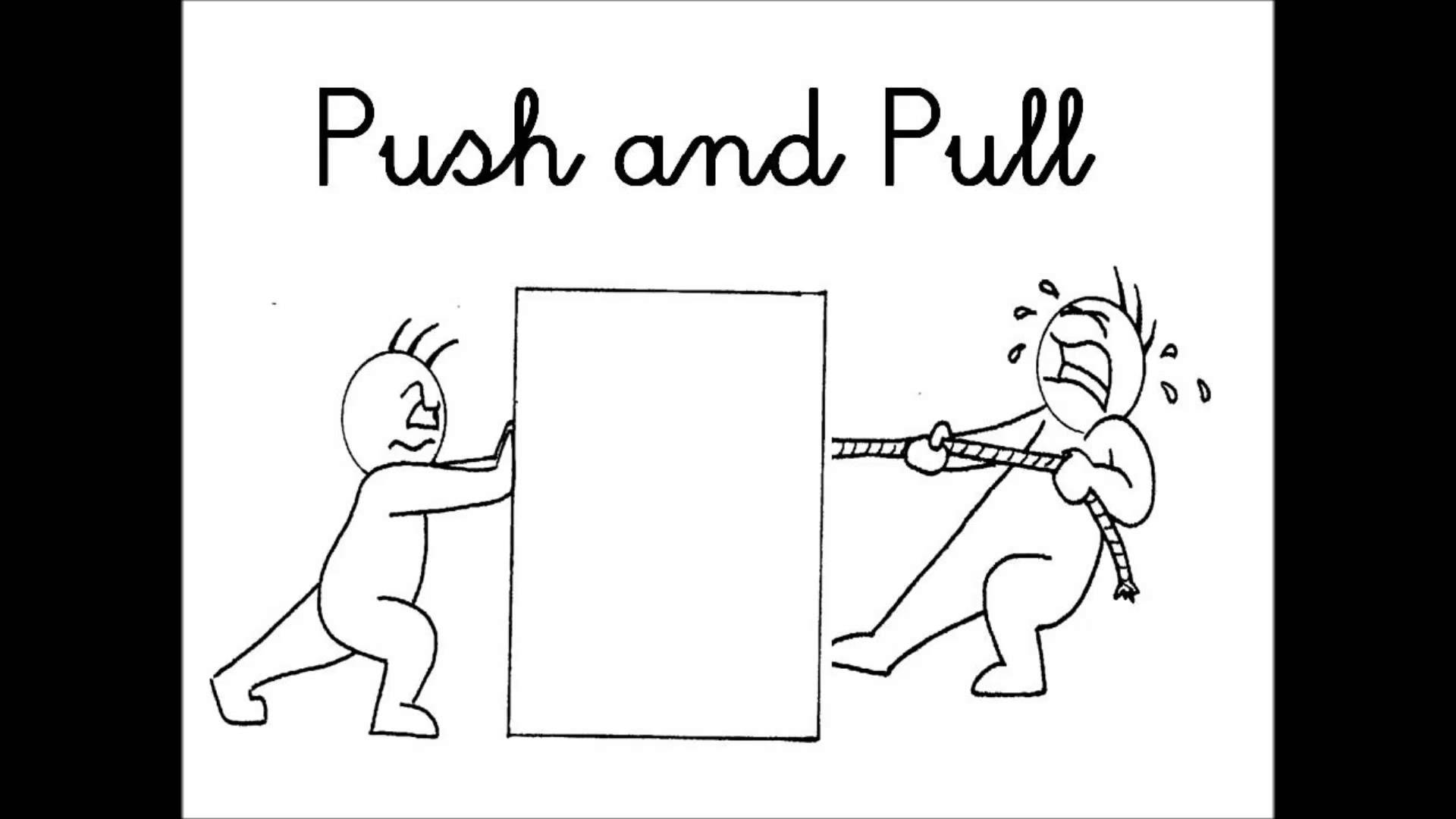
What is a pull factor?
a)
Something that forces someone to move
b)
Something that attracts someone to move to a new place
c)
The motion of a see saw
d)
A refugee
37.
What is a push factor?
a)
Something that attracts someone to move
b)
Something that forces someone to move to a new country
c)
The process of moving to another country
d)
A refugee
38.
Which of the following is an example of a push factors?
a)
Religious Freedom
b)
War
c)
Better opportunity for a job
d)
Better education
39.
Which of the following is an example of a pull factor?
a)
Violence
b)
Poverty
c)
Family
d)
Famine
40.
A Chinese immigrant leaves China for the US to work on the transcontinental railroad. 
a)
Push
b)
Pull
41.
Civil war has broke out all over Syrian, causing millions to flee the country for European countries. 
a)
Pull
b)
Push
42.
Great medical care
a)
Pull
b)
Push
43.
Poor education systems. 
a)
Pull
b)
Push
44.
 Opportunity to make more money is a .....
a)
push factor
b)
pull factor
45.
Limited food is a ....
a)
pull factor
b)
push factor
46.
Which of the following is an example of a push factor?
a)
religious freedom
b)
a drought or famine
c)
 job opportunities
d)
a fair government
47.
Which term refers to an area of land in which trade and transportation are difficult?
a)
Transportation Barrier
b)
Transportation Infrastructure
c)
Demographics
d)
Transportation Corridor
48.
Which are examples of transportation corridors?
a)
mountains and deserts
b)
deserts and plateaus
c)
rivers and canals
d)
highlands and rainforests
49.
Which of the following are transportation barriers?
a)
railways and airways
b)
oceans and harbors
c)
mountains and rainforests
d)
rivers and canals
50.
Which term refers to an area of land in which trade and travel are made easy, thus improving an area's economy?
a)
Transportation Corridor
b)
Transportation Barrier
c)
Political Instability
d)
Cultural Diffusion
51.
A major highway, railroads and rivers are all considered to be ___. 
a)
transportation barriers
b)
transportation corridors 
52.
A geographic feature that prevents the transportation of goods is called a ___.
a)
transportation barrier
b)
transportation corridor
53.

What was the reason the Europeans first started to explore?

a)

To look for new waterways

b)

To look for spices

c)

To look for new land

d)

All of the above