
NEW
Font size
 Worksheets
Physical and Chemical Changes
Total questions: 21
Worksheet time: 11mins
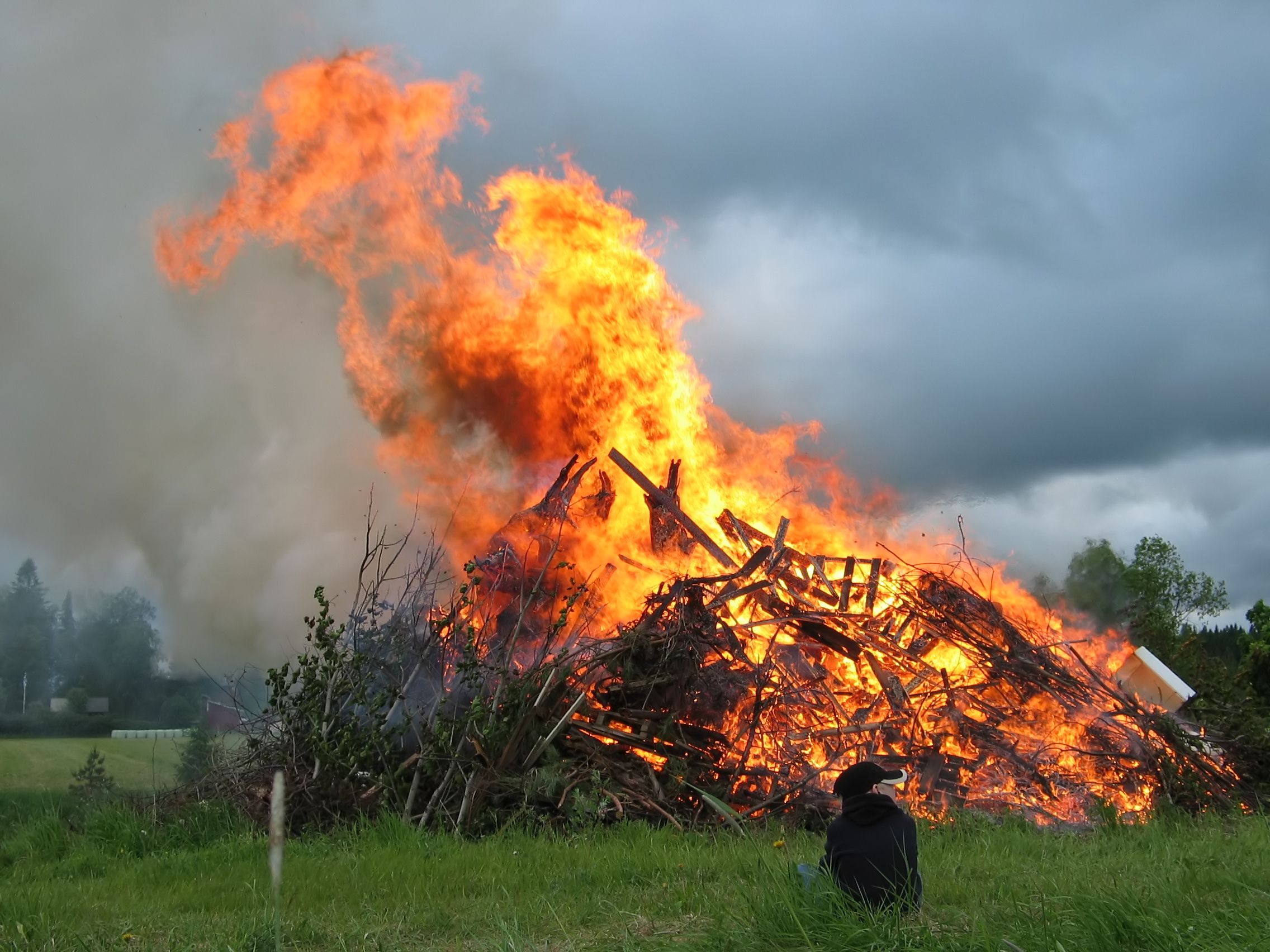
Wood that is burning in a brush pile has heat, and produces ashes.
Physical
Chemical

Is this an example of a physical or chemical change?
physical
chemical
A physical change...
changes the physical properties of an object, but does not create a new substance.
creates a new substance and cannot be undone.

Colour of Copper Sulphate crystals is ?
Red
Green
Blue
White
Pure Copper Sulphate Crystals can be obtained by ________.
Centrifugation
Distillation
Crystallisation
Filtration
1.___is Purest solid having a definite geometrical shape.
Mixture
Mixture
Crystals
---------------- is used to obtain pure crystals of a substance from its impure sample
a)Crystallization
b) Evaporation
c)Filtration
Is burning wood reversible or irreversible
A) Irreversible
B) Reversible
Both A & B
None of these
True or False?
The changes that can't be reversed are called reversible change.
True
False
A chemical change is also called
Physical reaction
Chemical Reaction
For rusting, the presence of ____________ and _______________ are essential
Lime water
Water and Carbon Dioxide
Ice and Oxygen
Water and Oxygen
The process of depositing a layer of ___________ on __________ is called galvanisation.
Zinc on Iron
Zinc on Copper
Copper on Iron
Iron on Copper
Is digestion physical or chemical change?
Physical Change
Chemical Change
3.In______ no more solute can get dissolved at a temperature.
Saturated solution ,
Non saturated,
Normal Solution
•Crystallization is an example of a _____________
Physical change
chemical change
Crystallisation is an irreversible change
False
True
An ------------ is a substance that cannot be split into simpler substances by chemical methods.
compound
molecule
element
atom
oxygen
The smallest particle of an element that retains the properties of the element is called an ------------
molecule
atom
compound
element
How many elements are known ?
128
118
108
57
94
number of elements found in nature ?
71
94
95
118
93

