
 Worksheets
Year 8 Chem test
Total questions: 54
Worksheet time: 2hrs 45mins
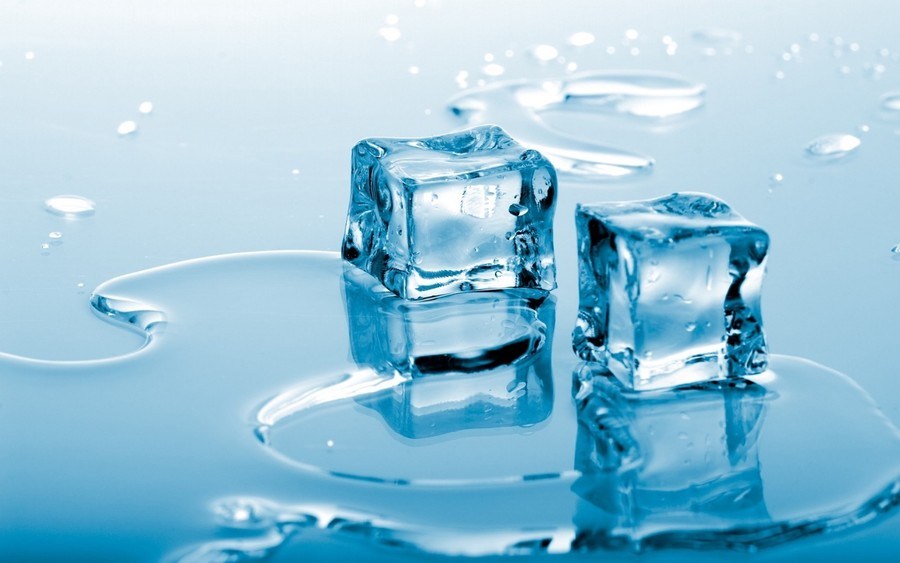
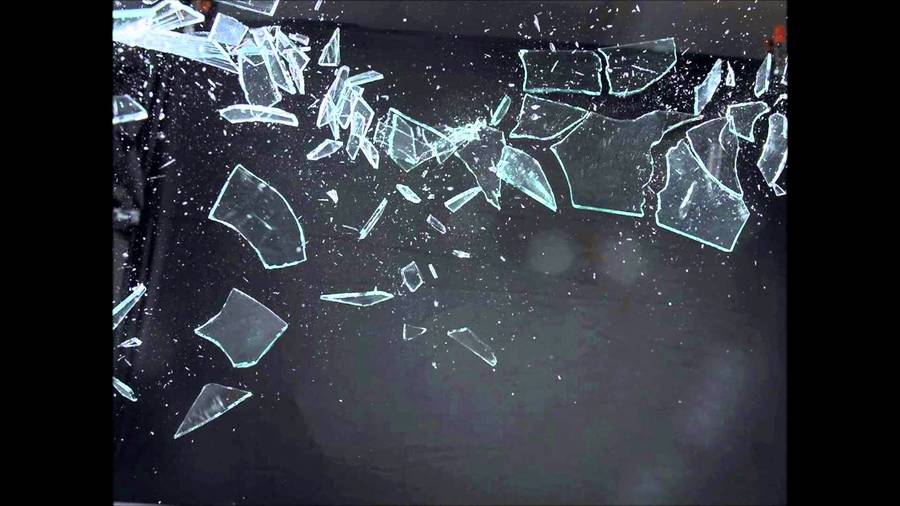


Which of the following observations would indicate a chemical change has happened? Select ALL correct answers.
a solid precipitate forms
heat energy is released
breaks into smaller pieces
folded in half
a gas is produced

In this example, what is the evidence a chemical change has occurred?
volume is increased
no energy is released
gas is being released
a precipitate has formed
Every chemical change involves a transfer of ______.
mass
volume
density
energy
A chemical change is different than a physical change because in a chemical change
chemicals are used
molecules do not physically touch
a new substance is formed and in a physical no new substance is formed
the change can be seen but in a physical change it cannot
Which of the following 2 are chemical reactions?
sugar dissolving in water
water turning into steam
burning wood
mixing baking soda and vinegar
tearing paper

How many Carbons are present on the reactant side?
1
2
3
4

How many Hydrogens are on the product side of this chemical equation?
1
2
3
4

How many Oxygens are on the product side of this chemical equation?
1
2
3
4

Why are chemical equations always balanced? Select ALL that apply.
Matter cannot be created.
Matter cannot be destroyed.
Matter can only be rearranged/conserved.
Matter doesn't matter.

In a chemical reaction, if the reactants are heated, the reaction usually happens
slower
faster
at the same rate
in a smaller volume

Some chemical reactions require a substance called a catalyst. The purpose of a catalyst is
to warm up the reaction
to speed up the reaction
to create more reactants
to stop the reaction
What does it mean for a reaction to be endothermic? Choose 2 of the following.
When two substances react, the temperature of the mixture decreases.
When two substances react, the temperature of the mixture increases.
There is less energy going into the reactant to break the bond than there is energy leaving the product.
There is more energy going into the reactant to break the bond than there is energy leaving the product.
The amount of energy entering and leaving is the same.
What does it mean for a reaction to be exothermic? Choose 2 of the following.
When two substances react, the temperature of the mixture decreases.
When two substances react, the temperature of the mixture increases.
There is less energy going into the reactant to break the bond than there is energy leaving the product.
There is more energy going into the reactant to break the bond than there is energy leaving the product.
The amount of energy entering and leaving is the same.

Is this chemical equation balanced? Why or why not? Choose the BEST answer.
Yes, the amount of atoms for each element are equal on both the reactant and product side.
No, the carbons are not the same number on both the reactant and product side.
No, neither the carbons or hydrogens are the same amount on both the reactant and product side.
No, none of the elements (carbon, hydrogen, or oxygen) are the same amount on both the reactant and product side.

Which is the correct word equation for photosynthesis?
water + glucose + oxygen ---> energy + carbon dioxide
energy + oxygen + carbon dioxide ---> water + glucose
water + carbon dioxide + energy ---> glucose + oxygen
glucose + oxygen ---> water + carbon dioxide + energy
Which of the following is the word equation for cellular respiration?
water + carbon dioxide + energy ---> glucose + oxygen
water + glucose ---> energy + carbon dioxide + oxygen
oxygen + carbon dioxide ---> water + energy + glucose
glucose + oxygen ---> water + carbon dioxide + energy

Photosynthesis takes place in the
mitochondria
chloroplast
nucleus
cytoplasm

cellular respiration takes place in the
mitochondria
chloroplast
nucleus
cytoplasm
What is the purpose of photosynthesis. Select all that apply.
to form glucose, food for the plant
to form carbon dioxide
to form oxygen
to form energy
to form water
What is the purpose of cellular respiration. Select all that apply.
to form glucose
to form oxygen
to form carbon dioxide
to form energy
to form water
Which of the following is a common sign that a chemical change has occurred?
A chemical has turned a different color, bubbled, and/or changed temperature.
A chemical has changed to a different state of matter, such as a liquid to a solid.
A chemical has changed size.
A chemical has become a different shape.
Carbon
CA
C
Ca
Cn
Sn
tin
sulfur
iron
sodium
Zinc
Z
Zi
ZN
Zn
Sulfur
Sf
Su
Sr
S
Neon
N
No
Ne
Nn
Calcium
Cl
Ca
C
Cm
Copper
CU
Cp
Cu
Cr
Helium
He
Hl
HE
Hm
Hydrogen
Hy
H
Hr
Hn
N
Sodium
Nitrogon
Nonium
Nitrogen
Pb
Gold
Lead
peanut butter
Paribium
Gold
Go
Gl
AU
Au
Carbon
CA
C
Ca
Cn
Which of the following compounds is insoluble?
magnesium sulfide
magnesium phosphate
sodium iodide
sodium nitrate

