
NEW
Font size
 Worksheets
Pollination
Total questions: 29
Worksheet time: 9mins
Wind-pollinated flowers typically have ___________________.
A scent
Nectar
Small, light and powdery pollen
Large and colourful petals
Bird-pollinated flowers typically have __________________.
Large amounts of nectar
No fragrance
Large amounts of pollen
A dull colour
Insect-pollinated flowers typically have ___________________.
Small, inconspicuous flowers
No scent
Light, powdery pollen grains
Relatively large, and often sticky grains of pollen
TRUE/FALSE? Bird-pollinated flowers do not produce nectar in the base of the flower.
True
False
TRUE/FALSE? Insect-pollinated flowers often have anthers enclosed within the flower, lower than the stigma.
True
False
Which of the following is NOT a pollinating agent?
Bees
Butterflies
Fire
Wind
Mammals

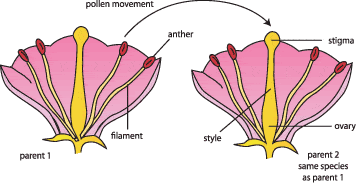
What type of pollination is shown in this diagram?
Cross pollination
Self pollination
Single pollination
Transfer pollination
Which of the following structures is part of the female reproductive system in plants?
Stigma
Petal
Filament
Anther
Which of the following structures is part of the male reproductive system in plants (stamen)?
Anther
Style
Ovary
Sepal
What is the term given to a fertilised ovule in a plant?
Seed
Stamen
Style
Pollen
Pollination happens from the _______________________.
stamen to the stigma
stigma to the stamen
stamen to the ovule
stigma to the sepal
Flowers pollinated by insects have brightly coloured and scented _______.
sepals
petals
stigmas
stamens
Which part of the flower forms the fruit?
Petal
Egg
Pollen
Ovary
When the pollen and egg join in the ovary, it's called _______________.
pollination
germination
fertilization
photosynthesis
Why do insects go to the flowers?
To get pollen
To feed on nectar
They like the colourful flowers
They like the smell
What does scented mean?
colourful
very pretty
very quiet
smells nice
Which type of pollination is used if the flowers are not brightly coloured?
wind
insects
The flower is the ............................ part of the plant
digestive
sensitive
photosynthesis
reproductive
A plant can have both male and female parts.
True
False
The reason bees go from flower to flower is to get _______.
reproduction
nectar
pollen
honey

My flowers are not sweet-scented and I do not produce nectar. My pollen is probably spread by ______.
Wind
Insects
Water
Explosion

