
 Worksheets
216 Week 11 Review
Total questions: 35
Worksheet time: 12mins

The cauda equine is made up of:
Spinal nerves of S.l-3
Anterior rami of spinal nerves L.2, 3
Posterior rami of spinal nerves L. 1 to coccygeal 1
Anterior and posterior nerve roots of the spinal nerves below the first lumbar segment of the spinal cord.
Spinal nerves of L.l - 5

If you were to accidentally scratch the outermost part of your eye, which part would you damage?
The cornea
The lens
The retina
The pupil

What would happen to your pupils if it's extremely bright outside?
They would let a lot of light into your eyes
They would expand and become very large
They would contract and become very small
They would close up completely

How are rods different from cones?
Rods are sensitive to light, while cones can detect color.
Cones are sensitive to light, while rods can detect color.
Cones send images to the brain, while rods do not.
Rods send images to the brain, while cones do not.


What is sensory adaption?
sensory loss
integration
getting used to a stimulus
over compensating to a stimulus
What is contained within the epidural space in the vertebral column?
Loose connective tissue, blood vessels, and adipose tissue
Dense connective tissue and cartilage
Serous fluid
Collagen, elastin, and bone tissue

Senses that respond to chemicals in solution utilize which of the following:
Meissner's corpuscle
chemoreceptors
crista ampullaris
beta lactamase
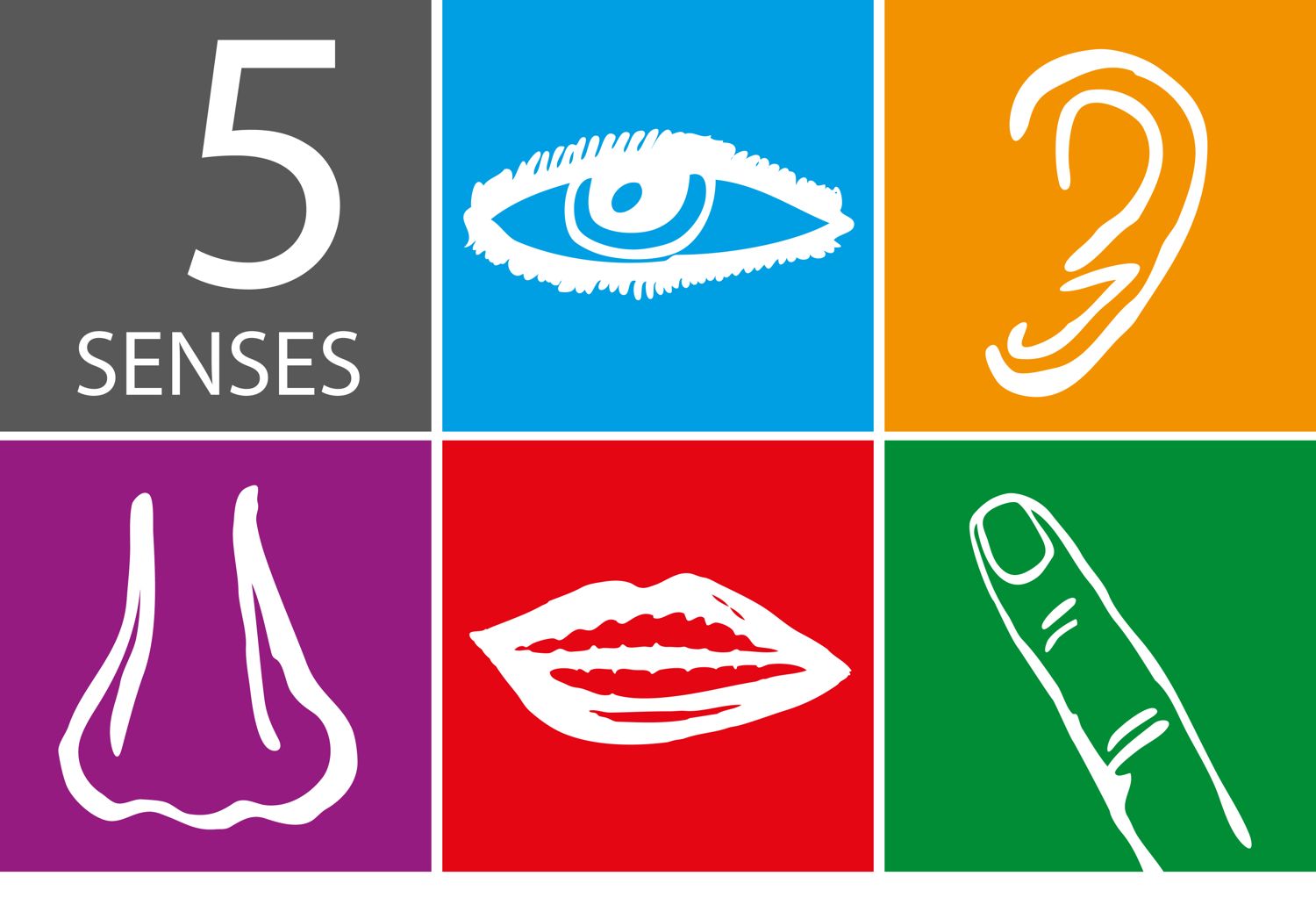
Which of the following senses are most closely related:
touch and smell
smell and taste
taste and hearing
hearing and smell
lobe of brain responsible for smell
frontal
parietal
occipital
temporal

What does glaucoma damage?
The Optic Nerve
The Lens
The Sclera
The Cornea
Dorsal Root Ganglia
Sensory roots
motor roots
What is the pupil?
organ
hole
muscle
Sharpest vision is where?
Lens
Optic Disc
Fovea Centralis
Conjunctiva
Stretching of tissues can cause pain sensations to arise from visceral organs.
true
false
What nerves are for taste
facial, glossopharyngeal, vagus
vagus, facial, trigeminal
facial, hypoglossal, vagus
facial, vagus, accessory
An example of a reflex action includes
Touching a butterfly
Brushing your hand against the side of your body
Touching a hot stove
Your legs moving as you walk
In a reflex arc, the sensory neuron leads to the ___________ and the motor neuron leads to the __________
Spinal cord, CNS
CNS, muscle
Spinal cord, muscle
Muscle, CNS
___________ Neuron is most common neuron in brain
Unipolar
Bipolar
Multipolar
Pseudounipolar
________ are receive the signal from neighbor neuron
Dendrites
Axon
Telodendrites
All
The axon has a continues sheath, it is known as neurilemma, which is tough membrane of protein & made-up of _______ type of cell.
Schwann cell
Glial cell
Both
None

