
Font size
 Worksheets
Unit 1 Review- The Enlightenment
Total questions: 34
Worksheet time: 34mins
According to John Locke, the chief role of government was to
Protect natural rights
Fight territorial wars
Ensure the wealth of citizens
Redistribute land
Which of the following is NOT considered a natural right according to John Locke?
Life
Liberty
Property
Pursuit of Happiness
Enlightenment thinkers believed decisions made by the government should be based on
Religious beliefs
Divine right of kings
Natural law and reason
Traditional conservative values
Which of the following events could be considered precursors to the Enlightenment? SELECT ALL THAT APPLY
The Protestant Reformation
The Cold War
The Scientific Revolution
The American Revolution
The Renaissance
Voltaire strongly believed in
The right to a fair trial
Freedom of speech and religion
The right to peacefully assemble
The importance of women
Locke and Rousseau would be most likely to support
A return to feudalism in Europe
A society ruled by the Catholic church
A society in which the people choose their leaders
The acceptance of divine right
Thomas Hobbes believed that people were naturally cruel and selfish, and therefore needed which kind of government to keep them in check?
Absolute monarchy
Constitutional Monarchy
Democracy
Plutocracy
Montesquieu believed that the purpose of the concept of Separation of Powers was to
Make the government less efficient
Weaken the monarchy
Ensure that no branch of government was too strong
Promote social reform
Locke claimed that if the government was not doing what was best for its citizens, then the citizens had the right to
Refuse to pay taxes
Start a revolution and overthrow it
Move to another country
Go on strike and refuse to work
Which of the following is NOT a key Enlightenment idea?
Humans have natural rights
We can solve problems by reasoning
The church should have more power
The government exists to serve the people
Natural rights are best defined as
An exchange between the citizens and the government
The economic interests of each individual person
An individual's duty to his fellow man
Rights that belong to all people because they are human beings
According to Voltaire, the separation of which 2 groups was essential?
Catholics and Protestants
Upper class and lower class
Church and State
Men and women
Adam Smith's most important contributions to the Enlightenment revolved around which discipline?
Science
Government
Politics
Economics
Adam Smith's most famous work, The Wealth of Nations, laid the groundwork for
Capitalism
Communism
Socialism
Democracy
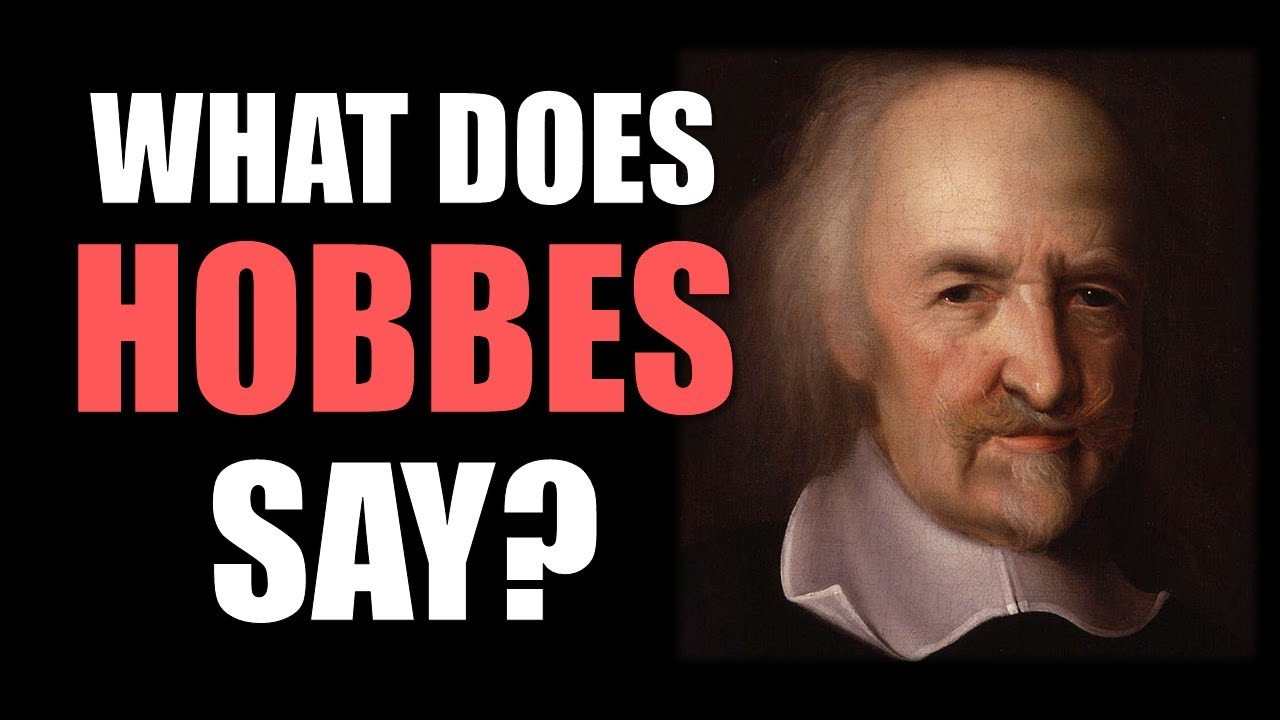
How did Hobbes view human nature?
We are inquisitive and industrious.
We are naturally selfish and quick to fight.
We are naturally ignorant
We are naturally kind and helpful to others
What did Jean-Jacques Rousseau believe about government?
some government control is necessary, but it should be kept to a minimum
the government should control all aspects of our lives
the government should be led by an absolute monarch
Which Enlightenment philosopher believed that governments should be based on majority rule?
Rousseau
Voltaire
Locke
Hobbes
Which Enlightenment philosopher argued that power comes from the "Consent of the Governed?"
Hobbes
Locke
Voltaire
Rousseau

The division of power between a central government and state governments is called
The United States
the Supremacy Clause
the Necessary and Proper Clause
federalism

The European Enlightenment influenced the writing of:
the Declaration of Independence
the Bible
the Manga Carta

In every government there are three sorts of power; the legislative; the executive, in respect to things dependent on the law of nations; and the executive, in regard to things that depend on the civil law.
—The Spirit of Laws, Baron de Montesquieu, 1748
Which principle of the U.S. Constitution was most influenced by the concepts expressed in this excerpt?
Baron De Montesquieu believed that useless laws weaken
nothing
the government's authority
necessary laws
all the above
Baron De Montesquieu said the best way to protect liberty was to
make governments all powerful
give one person complete power
divide the powers of government
have no government
He argued that people accused of crimes had certain rights, and he advocated abolishing torture.
Locke
Voltaire
Wollstonecraft
Beccaria
Who believed that people were inherently evil?
Adam Smith
Descartes
Montesquieu
Thomas Hobbes
Who advocated for equal education for women?
Wollstonecraft
Hobbes
Locke
Voltaire
Enlightenment philosophers believe that if government abuses power the people should change it.
true
false

