
 Worksheets
Final exam revision
Total questions: 90
Worksheet time: 23hrs 30mins
What is a red and white safety sign?
mandatory
prohibition sign
exit way
no sign is red and white
What means isolation of system?
cut the cable
safely disconnect from any form of energy
is not a worker business
do not interfere

Fixed guard is?
it is fixed to the machine and requires the use of a key or tool to remove it
evacuation system
we can put our hands inside a guard
we can put all body inside a guard
How can we prevent fires?
keep ignition sources and fuel apart
stop all power
do not interfere
start an alarm
Manual handling is?
when we use hydraulic power
only an activity
up to manager discretion
any transporting or supporting of a load by hand or bodily force
What is inside a blue fire extinguisher?
Powder
CO 2
wet chemical
foam
The hand-arm vibrating syndrome is caused by?
Sustained use of vibrating equipment
lack of training
hammer falling from a height
electrical equipment
A safety harness must be inspected?
only sometimes
Before each use
weekly
after an accident
Who must check electrical tools before use?
manager
a mechanic worker
The user of the item
the CEO
Select three environmentally good ways to deal with chemical waste?
Reduce, recycle, re-use
dispose, re-use
bury, reduce
no need to be friendly with the environment
What person can drive a truck?
nobody
everybody
Someone trained and competent
manager
When a standby person can enter a confined space?
when he must eat
Never
in an emergency case
anytime
What is risky inside a confined space?
no risk
no hazards
no air
Drowning, asphyxiation, and loss of conciousness
What is the fastest way chemicals enter in our body?
ingestion
injection
absorption
Inhalation
Select an option to reduce Manual Handling injuries?
keep the back straight when lifting something
bend legs
Use mechanical lifting equipment when is posiblle
wearing back support
What is E from ERICPD model?
eradicate
Eliminate
exit
energy
Most common way to have an accident is?
electricity
Slips, trips, falls
moving objects
cuts
Risk Assessment is?
A careful inspection of what could cause injury to people at work
extra paperwork
document like a permit to work
a paper form
Who must report an unsafe condition?
Everyone
the client
the safety team
a manager
For what do we use a lock-out tag out?
Equipment is isolated and safe while work is on
so the supervisor will know who is at work
for emergency
to have time for this task
What will help a person with no work experience to control the risk?
Regular supervision by an experienced person
good PPE
asking them questions
leave them to do work anyway
What is the full form of ALARP?
As low as reasonably practicable
reducing the risk
increase in risk
is used only for low risk
What mistakes can be made from time pressure?
taking breaks
money bonus
Taking shortcuts
best quality job
If a worker was not trained properly, what he should do?
Politely refuse to do the work
do work, but with care
do work, but ask for training next time
don't say anything
What consequences are for a boss failing in health and safety?
Prosecutions
good reputation
more manpower
new books
What is correct in ERICPD?
eliminate, re-use, control, PPE
estimate, reduce, PPE
PPE and discipline
Eliminate, reduce, isolate, control, PPE and discipline
Name one way to increase safety?
to work fast
to pay workers
To see safety as a positive thing
to have an audit
What is the correct sentence?
Hazard is anything with the potential to cause harm
hazard is the same as risk
hazard is another name for risk assessment
all of the above
Why we must use a Permit to Work?
to work with more paper
for "hot work"
To make a hazardous job safer
eliminates every hazard
If your company causes pollution incident, this can lead to?
good reputation
improved publicity
less money for insurance
Unlimited fines
When a safety harness must be inspected by the user?
Before each use
after an accident
occasionally
every week
What is the missing element from fire...? oxygen, heat and?
Fuel
water
air
any liquid
What is the correct statement about scaffolding?
climb it from outside
They should have all the brakes locked in the desired position
anyone can use them
move scaffold with people on top
What are the 4 main ways substances get in the body?
inhalation, entanglement, absorption, impact
Inhalation. ingestion, injection, absorbtion
entanglement, ingestion, absorption, entrapment
impact, igestion, injection
Which one is the most effective option to reduce manual handling injuries?
report injuries
wearing back support belts
keep legs and back inline
Use mechanical lifting aids when is possible
What medical condition is a result of loud noise?
hand-arm vibrating syndrome
Tinnitus
dermatitis
back injury
How do we define a fixed guard?
allow hands to enter the blade
we fix it with cables or cord
It is fixed to the machine and requires the use of a key or tool to remove it
it will be painted a different color
What is the cause of the most unsafe acts in work?
equipment
environmental
Poor behaviour by one or many people
good behavior
What consequences do we face from a negative attitude to safety?
working relations
improved productivity
More accidents
leaving work
Which is the most common cause of incidents?
faulty machinery
old equipment
bad weather
Unsafe acts
What can pressure to complete a task lead to?
long tea breaks
Taking shortcuts
more bonuses
increased safety
When do accidents occur?
when barriers in place are ignored/breached
when workers ignore procedures
when staff is not trained
All of the above
What is correct about PPE?
PPE cannot interfere with the worker
the worker should buy PPE
worker receives PPE only if manager wishes so
PPE is the last line of defense
Who is responsible to report unsafe behavior/conditions?
Everyone
manager
safety engineer
the client
What is accepted to be the first option in order to prevent exposure to hazards?
PPE
isolate
Eliminate the danger
control the way we use tools
All complex crane operations must be planned by?
safety manager
foreman
A rigger
anyone can do this task
Who is allowed to remove asbestos?
any person with a mask
Only trained/licensed operators
any person that know what is asbestos
supervisors
When an employer requires staff to do medical monitoring?
when working at height
when is flu season
when workers have overtime
When they work in conditions that might lead to health problems
What is a white and blue safety sign?
prohibition
safe way
Mandatory
warning
Which of the following is working at height work?
work higher than 3 m
work bellow 2 m
anything involving a scaffold
Anything on, bellow or above ground level where there is a risk of injury from falling
What means isolation of a system?
Leave it working somewhere
Cut the plug off,
Safely disconnect it from any form of energy
do not to interfere
When do we inspect a safety harness?
weekly
Only after an accident
occasionaly
Before each use
Before working with a hazardous substance, we must...?
Try a small chemical sample
Stop all work
Read and understand the data safety sheet
all other three options
Who can drive/operate a truck?
anybody
anyone with license
the manager
a trained and competent person
Which is the correct statement regarding scaffold towers?
should be climbed on the outside
have the brakes locked
Can be moved with people on top
Can be used by anyone, they are very safe
What is risky inside a confined space?
over 85 dB level of noise
loss of consciousnes, drowning, asphyxiation
Fatigue due to missed tea breaks
Asphyxiation
How to prevent a fire?
evacuation training
alarm
fire drills
Keep fuel and ignition sources apart
We must wear PPE if noise level is over...?
85 dB
100 dB
110 dB
180 dB
To create a fire, we need fuel, spark and....
oxygen
air
gas
diesel
What causes HAVS (hand arm vibrating syndrome)?
hand tools
electrical tools
lack of training
sustained use of vibrating equipment
What extinguishing agent we can find inside a blue fire extinguisher?
powder
water
wood
CO2
What is manual handling?
using a hydraulic force
Using pallet trucks instead of carrying objects
Any transporting or supporting of a load by hand or bodily force
Bending over to pick materials up and to organise them
Select the correct activity for working at height...
below or above 2 metres where there is a risk of personal injury through falling
anything involving a ladder
below or above ground level where there is a risk of personal injury through falling
higher than 3 metres
Before using work equipment, what controls we must take?
repair the equipment
Conduct visual inspections
Make changes to equipment
Choose which equipment to buy
If daily working with hand held tools, we should...?
wear gloves
Paint the handles to cover-up any faults
check the noise levels
Inspect all tools prior to each use
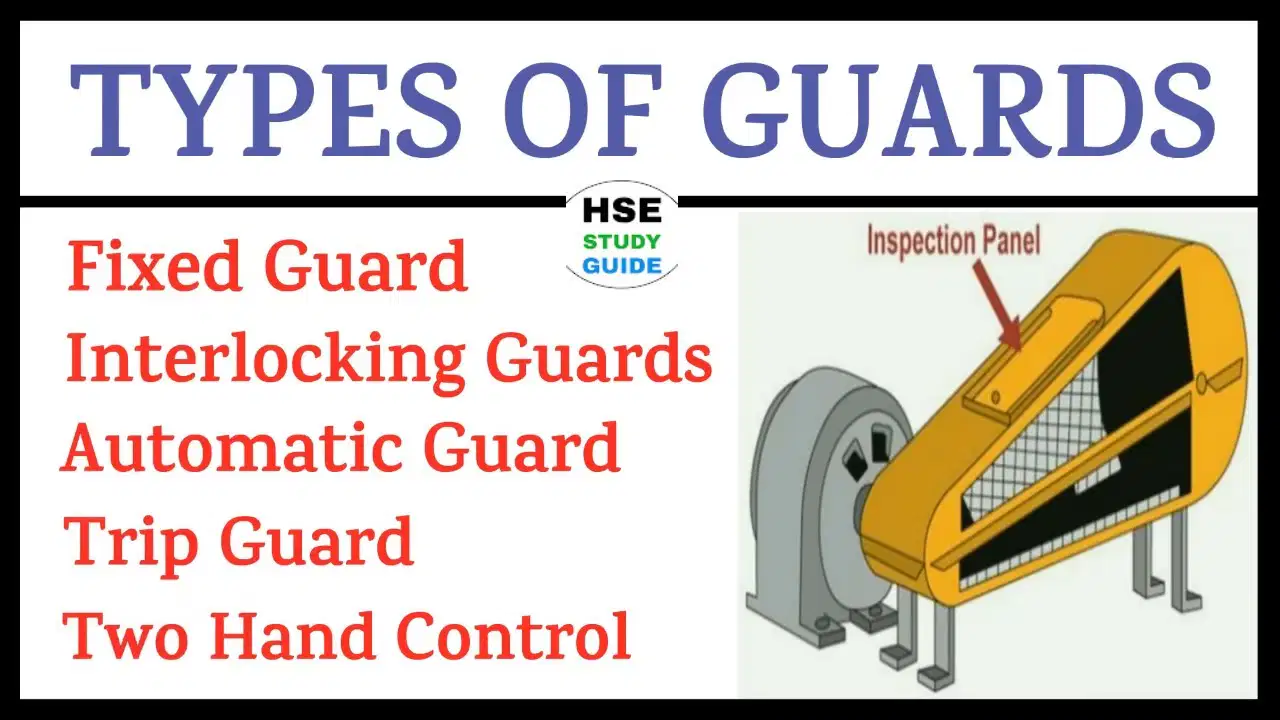
What is a fixed guard?
It is fixed by cable ties or cord
It allows hands to get through it but not the entire body
must be painted a different colour to the machine.
it is fixed and require a special tool to remove it
The most effective option to reduce manual handling injuries is...?
) Wearing back-support belts
Reporting manual handling injuries
Keeping the back and legs straight when lifting
Using mechanical lifting aids
Being exposed to excessive noise may lead to?
Vibration exposure
tinnitus
Dermatitis
repetitive strain injury
Most common way chemicals enter in our body is...?
ingestion
absorption
inhalation
injection
When can a person enter a confined space?
never
for lunch time
anytime
in case of an emergency
Pressure to complete a task can lead to?
Taking shortcuts
Taking tea breaks
Increased levels of safety
extra payments
Select one way to help increase safety...
To see safety as a positive thing
To work quickly and take shortcut.
prepare for an audit
pay more money to the staff
Select the correct statement...
is up to the employer to provide or not PPE
PPE is the last line of defence
the worker is responsible to buy PPE for himself
PPE cannot be interfered with by the user
A good behaviour at work is ...
optional
everyone responsibility
only the manager responsibility
is required only when the production starts
When do accidents/incidents happen?
when staff is not trained
when we ignore rules and barriers
when all workers ignore procedures
all other options
Select the correct words from ERICPD model.
Eradicate, reduce, isolate, control, PPE, decide
Eliminate, reduce, isolate, complete, PPE, discipline
Eradicate, respond, isolate, control, PPE , decide
Eliminate, reduce, isolate, control, PPE discipline
If a worker is new to his work place, how can he control the risk?
leave the worker to learn by himself all the hazards at work
check if he has a complete PPE
ask them if they know to do the job or not
supervision from an experience worker
What is the purpose of a Permit to Work?
to make risky jobs safer
eliminated every hazard
to increase the documentation on the work place
it is required for electrical work only
Select the correct statement:
hazard=risk
hazards don't have risks associated with
hazards is anything with potential to cause harm (injury to people or damage of equipment)
al other options
What is a Risk Assessment?
careful examination of what could cause harm to people at work
a document required by the management
not a worker responsibility
a form completed once the work in done
What should an employee do if they are not trained and competent to do a task?
do the job but be really careful
ask another person to complete the task
refuse to complete the work
do the task but insist to attend a training next time
What consequence are for employers failing to fulfil their health and safety duties?
Good reputation
Good workforce morale
prosecutions (fine or jail)
order OHS books
Select the correct statement:
ALARP means to spend whatever it takes to make the job safer
ALARP is used when minimising the risk
ALARP is reducing the risk to as low as reasonably practicable
ALARP is used when the overall risk is high
Why is risk assessed in the workplace?
to identify hazards
to identify hazards and people at risk
to remove all hazards
to reduce insurance costs
What is the first option when trying to control risk?
eliminate
energy
eradicare
exit
What is the most common cause of injury at work?
cuts
electric shock
back pain
falls, slips and trips

What is the purpose of a lock out/tag out system?
to show the supervisor who is at work at that time
ensure equipment is isolated and proven safe whilst being worked on
control power in case of an emergency
ensure enough time is allocated
What possible outcome when a company causes a pollution incident?
Good publicity
improved reputation
Reduced insurance cost
fines
Who is responsible for reporting any unsafe conditions?
manager
health and safety team
everyone
no one
All complex crane operations must be planned by?
rigger
foreman
manager
the secretary

