
NEW
Font size
 Worksheets
Diversity of Living things Test Re-take
Total questions: 27
Worksheet time: 53mins
Which of the following is a response to an external stimulus?
A dog vomiting
A cow eating grass
A baby drinking milk
A cat's fur standing up after seeing another cat enter the room
The climate of a place is colder than it used to be. Which animal is most likely to survive in the colder climate?
a cold-blooded reptile
an animal that runs fast
an animal that lays eggs
a mammal with thick fur
How can plant hormones be used to control fruit ripening (which is a response to an internal stimulus)?
Plant hormones can only delay ripening
Plant hormones can only accelerate ripening
Plant hormones can speed up or slow down ripening
What is tropism?
A plant's response to a stimulus
A plant reproducing
An animal's response to a stimulus
A prokaryote's response to a stimulus

What is gravitropism/geotropism?
The movement of bacteria in response to changes in temperature
The movement of a plant in response to earthquakes
The movement of a plant in response to gravity
The movement of plants towards water

What is hydrotropism?
The movement of plants towards water
The movement of plants away from water
The rate of growth of a plant in response to temperature changes in water
A plant's response to gravity and touch
What makes a tropism positive or negative?
Negative = movement towards stimulus, Positive = movement away from stimulus
Positive = movement towards stimulus, Negative = movement away from stimulus
Who cares? It doesn't matter whether it is positive or negative
Positive = when a plant is happy, Negative = when a plant is sad

What is thigmotropism?
The movement of plants in response to touch
The movement of plants toward the sun
A prokaryote's movement inside the bloodstream
The movement of plants in response to gravity

What is phototropism?
The movement of plants towards water
The movement of plants away from light
The movement of plants in response to infrared light
The movement of plants towards light
Natural Selection is driven by a change in the environment and survival of the
Earth
Fastest
Fittest
Biggest
Selective breeding is...
a process to create an organism with desired traits from parents with those desired traits (ex: dairy cows that produce the most milk are bred)
natural method of producing offspring with desired traits
creating a new species
making organisms reproduce during times of stress
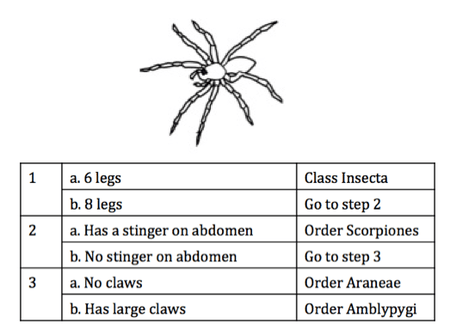
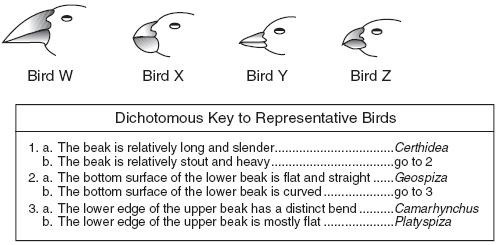
A living or once-living organism containing DNA and exhibits growth in an ecosystem is a...
population
biotic factor
abiotic factor
community
What is an adaptation of bird bones?
Hollow but strong to make the bird lightweight and capable of enduring stress
Heavy to prevent the bird from floating away
Birds do not have bones, they have cartilage.

Which kingdom classification does a microscopic, eukaryote with flagella, a nucleus, and chloroplast belong to?
Bacteria
Fungi
Animalia
Protista
Which kingdom classification does a multicellular, eukaryote with cell walls containing chitin belong to?
Bacteria
Fungi
Animalia
Protista
Which kingdom classification does a single-celled, prokaryote that can withstand extreme environments belong to?
Bacteria
Fungi
Archaebacteria
Protista

What happened to the peppered moth population after the industrial revolution?
There were MORE LIGHT moths because the bird couldn't see them on the DARK TREES
There were MORE DARK moths because the bird couldn't see them on the LIGHT TREES
There were MORE DARK moths because the bird couldn't see them on the DARK TREES

Leaf S (3RD LEAF)
Eastern white pine
balsam poplar
sweet gum
ginko

A dog shakes hands/paws with its owner and gets a treat. What does this show?
Inherited trait
Learned Behavior
Instinct
just because
What type of situation might trigger the fight-or-flight response?
persistent worrying
long-term stress
a threat from a predator
The maintenance of an organism’s internal environment like shivering or sweating is an example of
compensating
homeostasis
balancing
routine
Beets, carrots and radishes store energy for survival. These are called
fruits
root vegetables
fertilizers

