
 Worksheets
World War II Unit 1 Test
Total questions: 70
Worksheet time: 35mins

Adolf Hitler was born in 1889 in the nation of _____.
Germany
Austria
Hungary
France

Hitler wrote "Mein Kampf," his antisemitic manifesto, while in prison for attempting to _________.
rig the elections
overthrow the German government (coup)
refuse to fight in World War I
destroy Jewish businesses

After the Nazi Party won approximately 37% of the vote, Hitler initially became the ________ of Germany.
Commander in Chief
President
Prime Minister
Chancellor

After the _______ was set on fire, Hitler blamed a communist plot and convinced the government to give him supreme powers, allowing him to suspend basic rights and detain people without trial.
Capitol Building
Luftwaffe
Reichstag
Congress

Hitler's political title as sole leader of Germany was _____.
President
Deutscher
Danke
Führer
Hitler promised the German people all of the following EXCEPT:
restore German pride, glory, and strength
make Germany a place welcoming of everyone
rebuild the German military
bring back jobs for the unemployed

The Minister of Propaganda for Nazi Germany
Joseph Goebbels
Heinrich Himmler
Herman Goring
Erwin Rommel

The Leader of the Gestapo and SS
Joseph Goebbels
Heinrich Himmler
Herman Goring
Erwin Rommel

The Leader of the SA and Supreme Commander of the Luftwaffe
Joseph Goebbels
Heinrich Himmler
Hermann Goring
Erwin Rommel

This was an organization set up by Adolf Hitler in 1933 for educating and training male youth in Nazi principles.
Brownshirts
Hitler Youth
German Youth
German Association
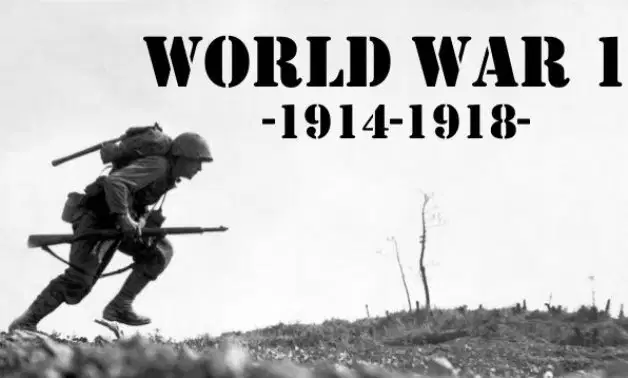
What World War I-era treaty was Hitler openly defying as leader of Germany?
Treaty of Paris
Treaty of Versailles
Treaty of London
Treaty of Berlin

World War II begin when Germany invade its neighboring country of _____.
France
Belgium
Poland
Soviet Union

In WWII, Germany used a new type of war strategy called the _____, which means "lightning war."
blitzkrieg
buchstabieren
Veränderung
gemacht

From what beaches were 338,000 British, French, and Belgian soldiers evacuated from in 1940 after being surrounding by German forces?
Normandy
Cannes
Dunkirk
La Rochelle

The bombing of Great Britain and the aerial fights between the German Luftwaffe and British RAF is referred to as the _____.
D-Day
Battle of Dunkirk
Battle of Britain
Battle of the Bulge

Germany broke their non-aggression pact with _______ in June 1941.
Austria
Belgium
Poland
Soviet Union

Who was Prime Minister of Great Britain throughout most of World War II?
Winston Churchill
FDR
Harry Truman
Gordon Lightfoot

Benito Mussolini was the fascist dictator of _____ during WWII.
Italy
Soviet Union
France
Poland

Who was President of the United States during World War II?
Woodrow Wilson
Theodore Roosevelt
Franklin D. Roosevelt
Dwight Eisenhower

Sophie and Hans Scholl were young German siblings who were part of a Nazi resistance group called the ______.
Black Hand
Red Thorn
Green Love
White Rose

Who attacked the United States at Pearl Harbor in December 1941?
Japan
China
Germany
Italy

Why did Japan attack the U.S. navel base at Pearl Harbor in 1941?
Its leaders wanted to punish the Unites States for its role in World War I.
Its leaders believed the U.S. Navy blocked Japanese expansion and oil shipments.
Its leaders wanted to gain control of Hawaii's natural resources.
The United States had recently declared war on Japan.

Which American General became Supreme Allied Commander during WWII?
General George Patton
General Dwight D. Eisenhower
General Ferdinand Foch
General Franklin D. Roosevelt
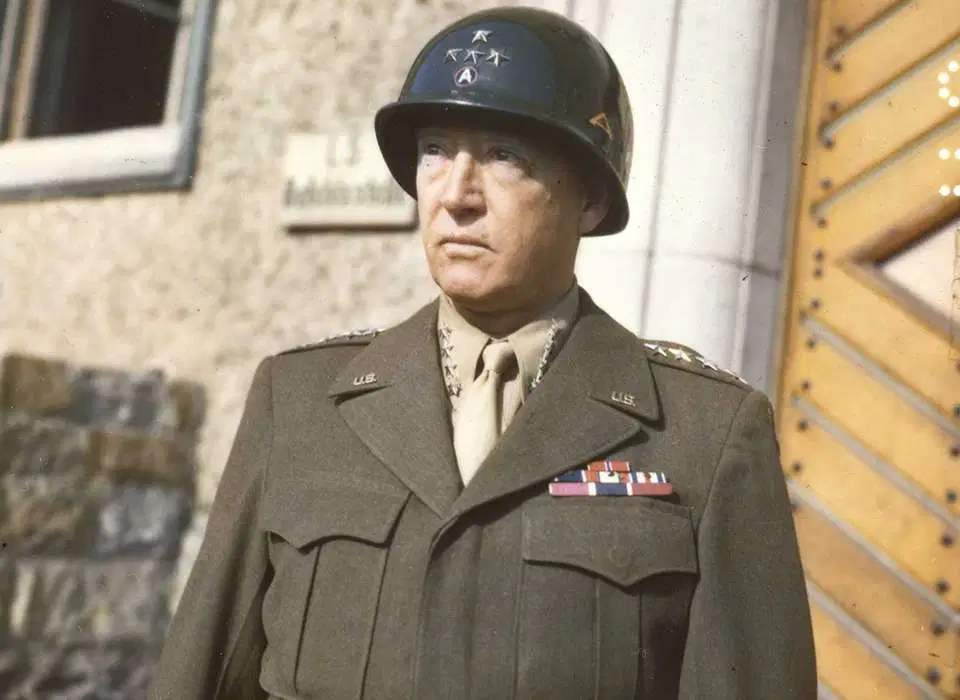
This U.S. general was a World War I veteran nicknamed "Blood & Guts" and had a gruff, but inspiring leadership style. He helped plan and lead the invasion of North Africa and then helped counterattack to Germans to help win the Battle of the Bulge. He once got in trouble for slapping some of his soldiers.
George Patton
Bernard Montgomery
Erwin Rommel
Jimmie Doolittle

What is her name?
Wanda the Worker
Linda the Laborer
Fannie the Fighter
Rosie the Riveter
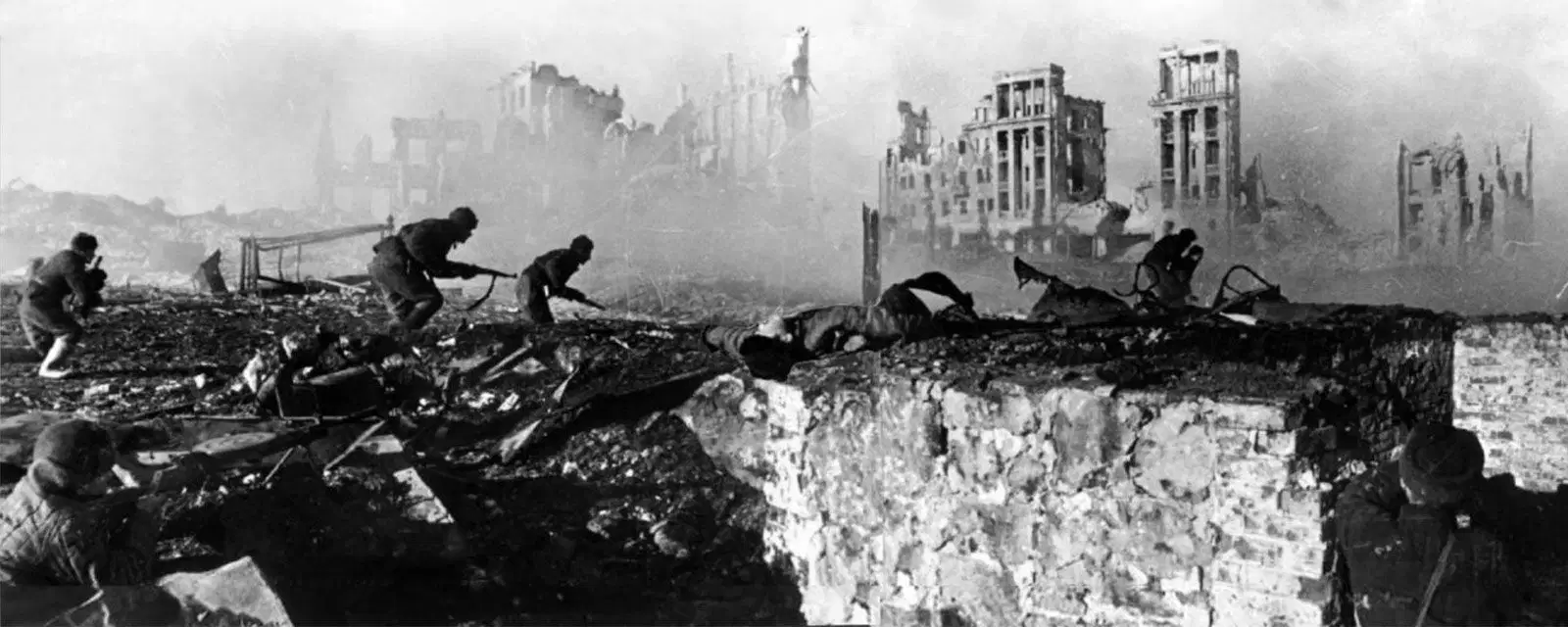
One of the major turning points of the war was when the Soviet Union defeated Germany after the six-month Battle of ____.
Moscow
Stalingrad
Poland
Sarajevo

The D-Day Invasion of June 1944 took place at the beaches of _____.
Dunkirk, France
London, Great Britain
Normandy, France
Paris, France

The deadliest of the five beaches on D-Day was ____.
Utah
Gold
Omaha
Juno

The (failed) July 20th plot by fellow Nazis and other Germans to assassinate Adolf Hitler led by Claus von Stauffenberg was called _____.
Operation Overlord
Operation Barbarossa
Operation Downfall
Operation Valkyrie

The final German OFFENSIVE attack, which took place in December of 1944, was a final chance to push back the Allied Forces. The Americans took massive causalities, but won the battle.
Battle of Stalingrad
Battle of the Bulge
Battle of Iwo Jima
Battle of Paris

In war, a common strategy is to disrupt or destroy your enemy's __________, which is how they transport supplies, food, medicine, ammo, and fuel by military vehicles to the frontlines.
transport highways
vehicle trains
supply lines
movement convoys

To try and convince Germany to surrender, the Allies controversially targeted the historical German city of ______, killing tens of thousands of civilians and leveling the city.
Munich
Berlin
Dresden
Hamburg

Which American leader died from a stroke shortly before the end of World War II in Europe?
Harry Truman
Franklin D. Roosevelt
George Patton
Dwight D. Eisenhower

Hitler married ________ during their final days in the Berlin bunker.
Irma Gres
Eva Braun
Gertrud Scholtz
Johanna Haarer
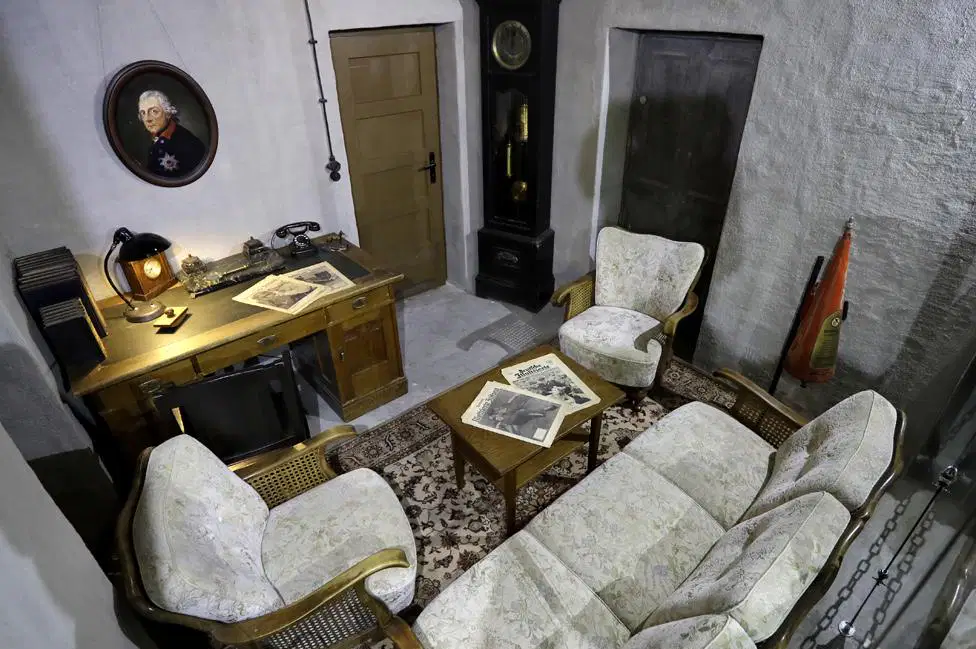
Hitler committed suicide during the Battle of _____.
the Bulge
Berlin
Okinawa
D-Day

This Nazi German leader, along with his wife, poisoned six of their children before committing suicide before the end of the war in Europe.
Heinrich Himmler
Hering Goring
Joseph Goebbels
Adolf Hitler

Over 100,000 people of this ancestry where sent to internment camps in the United States between 1942-45.
Italian
German
British
Japanese
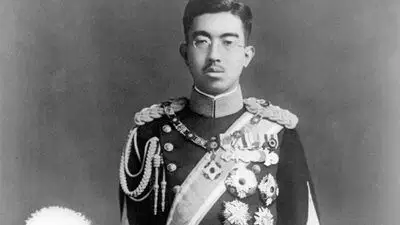

Allied strategy in the Pacific was called island hopping.
True
False

Which country in Asia was Japan's MAIN adversary (opponent) in World War II?
China
Korea
Vietnam
Indonesia

Which of these was not a battle in the Pacific Theatre of WWII?
Battle of Okinawa
Battle of Iwo Jima
Battle of Midway
Battle of Normandy
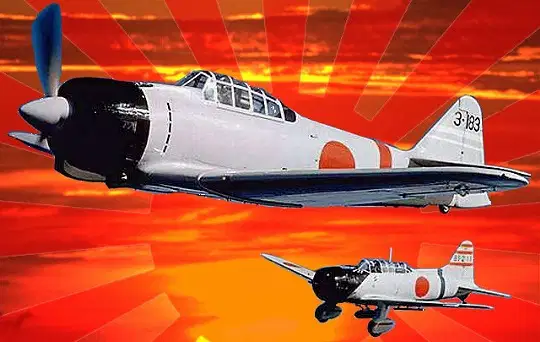

Who wrote a letter to FDR convincing him that the United States needed to research and develop atomic weapons before Germany did?
J. Robert Oppenheimer
Albert Einstein
Dwight D. Eisenhower
Stephen Hawking

What was the secret research and development project on the atomic bomb called during WWII?
The New Mexico Project
The San Diego Project
The Los Alamos Project
The Manhattan Project
Who was the lead scientist on the Manhattan Project?
Albert Einstein
Carl Sagan
J. Robert Oppenheimer
Bill Nye

What was the first testing of the atomic bomb in New Mexico called?
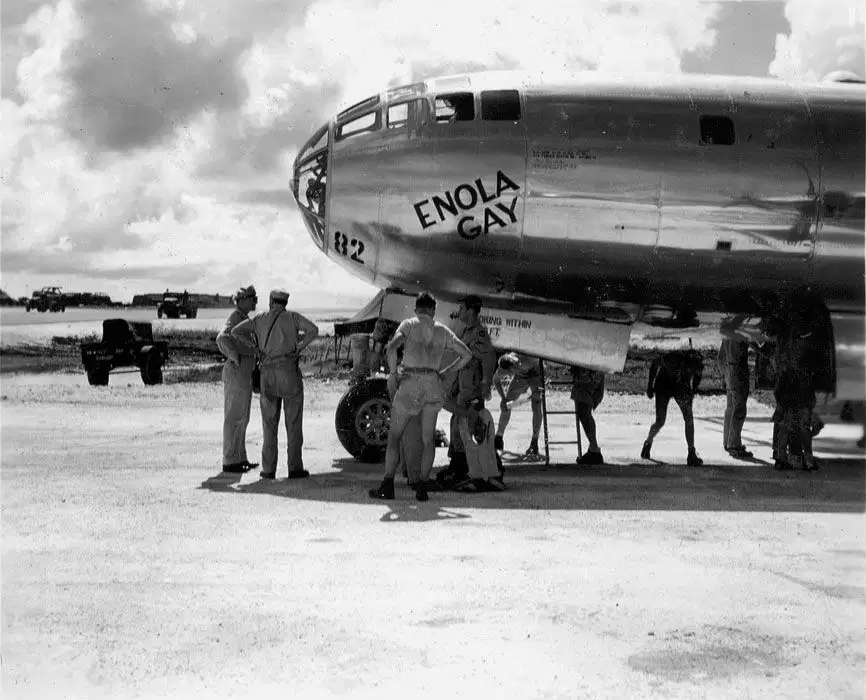
Which president ordered the use of the atomic bombs?
Franklin D. Roosevelt
Harry Truman
Joseph Stalin
Winston Churchill

President Truman had no other options to end the war with Japan, which is why he decided to use the atomic bombs.
TRUE
FALSE

What cities did the U.S. drop the atomic bombs on?
Tokyo / Ise Shima
Iwo Jima / Okinawa
Kyoto / Nagoya
Hiroshima / Nagasaki


In November of 1938, Nazis in Germany torched Jewish synagogues, vandalized Jewish homes, schools and businesses, and killed close to 100 Jews. This event is referred to as _____.
Anti-Semitism riot
Nuremburg
Blitzkrieg
Kristallnacht/Night of the Broken Glass


How many Jews were murdered during the Holocaust?
1 million
6 million
100,000
60 million


What was the police forces under Adolf Hitler called during WWII?
Gestapo, SS, SA
SWAT, NNS, BST
Strike Force, Interpol, CE
Secret Police, Deutscher, ST
Cattlecars (train)

Who was in-charge of the Gestapo, SS, and orchestrating the Holocaust?
Herman Gorring
Rudolph Hess
Adolf Eichmann
Heinrich Himmler

What does the term genocide mean?
killing someone randomly
The murder of all the children in a country
The murder of a particular gender of people like all the males
the deliberate killing of a large group of people, especially those of a particular ethnic group or nation.

What other groups were targeted in the Holocaust? (Check all that apply)
Gay men
Soviet POWs
People with handicaps

The Nazis based many of their discriminatory laws against Jews in Germany on America's ________ laws.
Nuremberg
Constitution
Jim Crow segregation
Amendment
German Nazis forces Jewish prisoners to do much of the "dirty work" of the Holocaust, including removing the bodies from the gas chambers and burning them in the crematorium.
True
False

In the deaths camps, the Jewish prisoners who were forced to do the Nazi's "dirty work" in the camps such as operate the crematoria

Which was the largest and deadliest of the extermination camps during the Holocaust?
Dachau
Belzec
Auschwitz
Majdanek

Who was the SS doctor, nicknamed the "Angel of Death," who conducted horrific medical experiments on people during the Holocaust?
Heinrich Himmler
Adolf Eichmann
Oskar Groenig
Josef Mengele
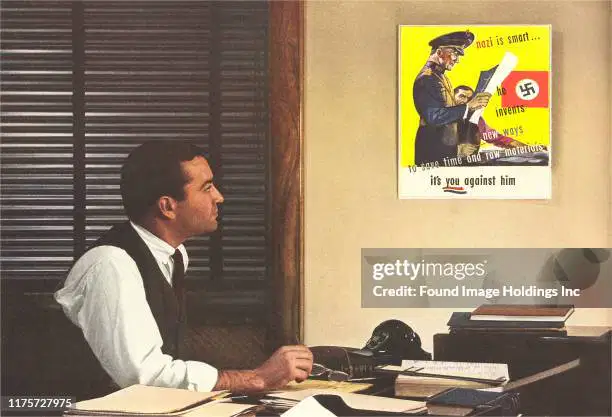
The term for trying to rid Germany of Nazism was called _____.

How many people died as a result of World War II?
1-3 million
5-10 million
15-25 million
50-70 million
The end of World War II will lead to a bitter rivalry between the United States and the Soviet Union that will last for decades. This is called the _____.
Bay of Pigs
Operation Rivalry
Hot War
Cold War

