
 Worksheets
Periodic Table Recap
Total questions: 31
Worksheet time: 25mins


What element will have the most similar chemical properties to the element Sulfur (S)?
Carbon (C)
Phosphorous (P)
Oxygen (O)
Neon (Ne

What element will have the most similar chemical properties to the element Lithium (Li)?
Sodium (Na)
Magnesium (Mg)
Beryllium (Be)
Calcium (Ca)

Which subatomic particle has a negative charge?
nobles gases
protons
electrons
neutrons
Which subatomic particles are found in the nucleus?
protons and electrons
only neutrons
protons and neutrons
electrons and neutrons
The mass number of an atom is equal to what?
protons + neutrons
protons + electrons
protons
neutrons
The atomic number of an atom is equal to what?
Number of protons
Number of neutrons
Protons + neutrons
Mass number - protons
What is the definition of an element?
A substance made up of only one type of atom
A substance made up of atoms
A compound made up of atoms
A mixture of atoms
Metals are found in the Periodic Table...
on the left-hand side of the staircase
on the right-hand side of the staircase
throughout - they are not organised
at the top
Elements in the same group of the Periodic Table have what?
Similar chemical properties
Different chemical properties
The same atomic number
The same mass
Argon and Neon have similar chemical properties. Why?
They are in the same period
They have the same number of outer electrons
They sound similar
They have the same number of electrons
Atoms are overall neutral as...
neutrons = protons
neutrons = electrons
protons = electrons
electrons = nucleus
Which line is true for protons?
mass number = 0, charge = +1
mass number = 1, charge = 0
mass number = 0, charge = -1
mass number = 1, charge = +1
What is an isotope?
particles with the same atomic number but different mass number
particles with different atomic numbers and different mass numbers
particles with the same atomic number and same mass numbers
particles with different atomic numbers and the same mass number

How many protons are present in this atom?
92
235
143
RAM (in chemistry) stands for what?
Random Access Memory
Relative Atomic Mass
Relative Average Mass
Random Atomic Mass
The RAM of an atom depends on what?
The mass and abundancy of each isotope
Only the mass of each isotope
Only the abundancy of each isotope
The number of protons
A lithium nucleus contains 3 protons and 4 neutrons.
What is its nuclide notation?


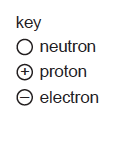
Which diagram could represent the structure of a neutral atom?
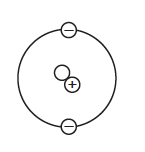
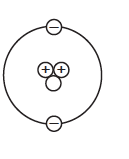
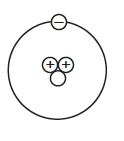
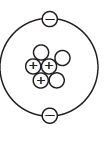

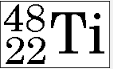
What varies between isotopes of an element?
protons, electrons, and atomic mass
protons, electrons, and atomic number
neutrons and electrons
neutrons and atomic mass
Isotopes of an element have a different number of...
Protons
Neutrons
Electrons
Mass
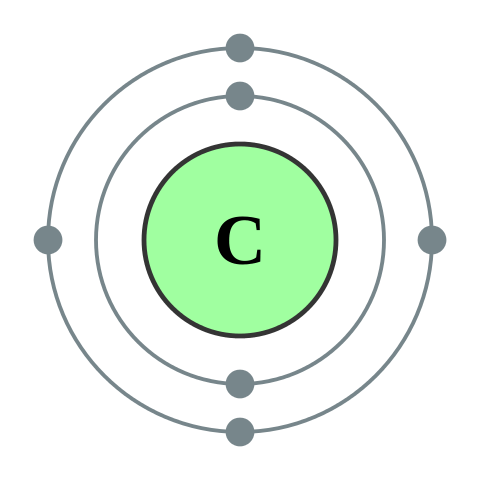
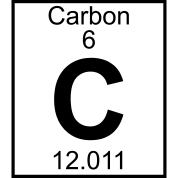
How many outer electrons does carbon have?
4
5
6
7
The alkali metals are which group in the Periodic Table?
Group 1
Group 2
Group 7
Group 8/0
The reactivity of the alkali metals...
decreases as you go down the group
doesn't change as you go down the group
increases as you go down the group
The reactivity of the halogens...
decreases as you go down the group
doesn't change as you go down the group
increases as you go down the group

