
 Worksheets
Y8 Mid-term 1
Total questions: 50
Worksheet time: 38mins
ROM Vs RAM: What is used to boot up the computer when it is switched on...
RAM
ROM
Which component receives its instructions directly from the RAM?
Motherboard
BIOS
CPU
Hard Drive
What does volatile mean?
Data is lost when the power is turned off
Data is NOT lost when the power is turned off
The CPU fetches instructions from.... and executes those instructions.
Memory
ALU
ROM
Input Device

Which of these is NOT secondary storage?
USB
Google Drive
RAM
DVD
Why is secondary storage needed?
It is non-volatile
It is volatile
It is quicker
It is online
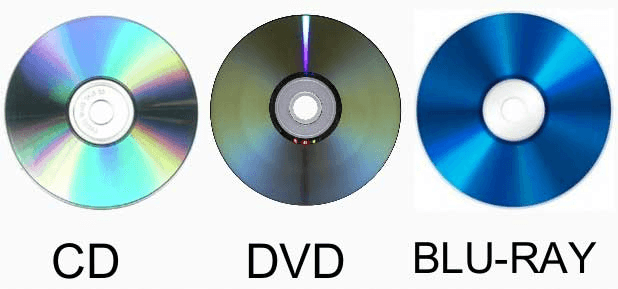
CDs, DVDs and Blu-Rays are all types of...
Magnetic storage devices
Optical storage devices
Solid State memory
Primary memory
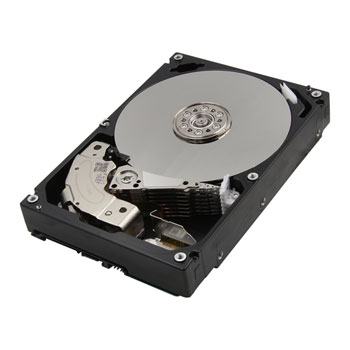
Hard Disk Drives are a type of...
Optical storage device
Magnetic storage device
Solid State memory
Primary memory
Hard Disk Drives are a type of...
Optical storage device
Magnetic storage device
Solid State memory
Primary memory
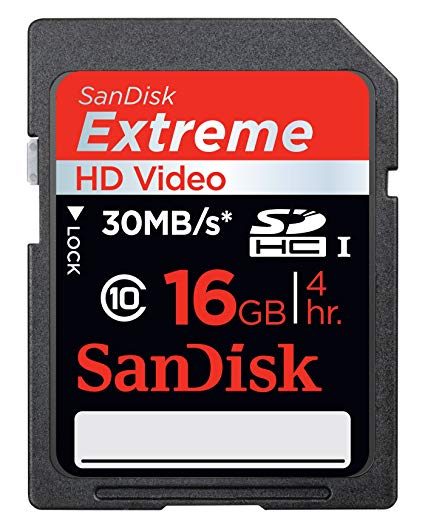
What category of storage device is a HD card?
Magnetic
Optical
Solid state
Primary memory
What does CPU stand for?
Central Processing Unit
Computer Processing Unit
Central Power Unit
Computer Power unit
What is a collection of wires called that sends data and addresses around the CPU?
A bus
A connection
A link
A cable
What register is connected directly to the data bus?
Memory Address Register
Memory Data Register
Program Counter
Current Instruction Register
Which of these is NOT a stage of the FDE cycle?
Fetch
Execute
Decide
Decode
Which of these is NOT a bus in the CPU?
Address bus
Data bus
Control bus
Execute bus
What is the part of the CPU called that performs calculations?
ALU
Control Unit
Program Counter
Memory
What does PC stand for in Computer Architecture?
Program Counter
Personal Computer
Placement Counter
Probably Correct
Who is the computer architecture named after, where instructions and data are stored in memory and fetched, decoded and executed sequentially?
Van Newman
Von Neumann
Vin Nowman
Ven Numan
Which of the following is not part of the CPU?
ALU
CU
MAR
ROM
The purpose of ROM is to...
Provide backup storage
Store application files
Acts as a fast type of memory for the CPU
Store the BIOS instructions
Volatile memory that runs the Operating System and other applications
Virtual Memory
Registers
RAM
ROM
Extremely fast memory that is built into the CPU. Used as temporary stores for data and instructions.
Cache Memory
Flash Memory
Registers
Virtual Memory
Which statement best describes RAM?
Fast, permanent storage
Fast, volatile storage
Slow, volatile storage
Slow, permanent storage
The following is not a function of an operating system:
Checking for viruses
Directing information from peripheral devices like a mouse or a printer
Allocating the computer's memory between different tasks.
Allowing users to open applications
What does ALU stand for?
Arithmetic Logic Unit
Arithmetic Low Unit
Addition Logic Unit
Addition Low Unit
The data bus, which carries the actual data and program instructions
True
False
The control bus, which carries the addresses telling the CPU where the data and instructions can be found within memory or where to store data.
True
False
The control bus, which handles commands to external devices such as the hard disk, monitor, graphics card, etc.
True
False
What is a computer?
An electronic device that receives input, processes it and provides an output in the desired format.
An electronic device to do homework, play video games or surf on the internet.
An electronic device that receives input, stores or processes the input and provides an output in the desired format.
SSD is short from
Super state drive
Solid state drive
Solid super drive
Super service drive

Which of the following is NOT an input device
Keyboard
Mouse
Microphone
Laser printer
Which of the following is NOT an output device
Inkjet printer
speaker
headphones
Scanner

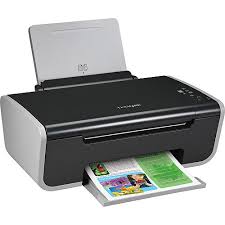
Is this device Input or Output?
Printer
Input
Output
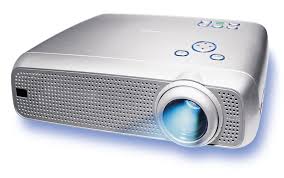
Projector

Choose the input devices.
mouse, keyboard, headphones
mouse, printer, headphones
mouse, keyboard, speakers
mouse, keyboard, smartboard
What is meant by the term 'hardware' in computing?
Physical parts of a computer system
Physical parts of a smartphone
Heavy machinery or equipment used in a building site
Applications which are designed for a specific purpose
What is meant by the term 'software'?
Is made up of a control unit, which controls the input and output devices;
Software is a set of instructions for a
computer to make it perform certain specific operations.
The physical components of a computer system.
Main memory of a computer is connected directly to the CPU

