
 Worksheets
Unit 2 Energy OLD
Total questions: 37
Worksheet time: 23mins

Which lettered graph represents the affect of temperature on the rate of photosynthesis?
A
B
C
D
Select all that describe a protein.
structural component of the body
provides transport
nucleotide
amino acids
speeds up chemical reactions
If oxygen is available, many more ATP can be produced.
True
False
Which process requires oxygen?
Glycolysis
Fermentation
Aerobic respiration
Anaerobic respiration
Compounds that contain ________________ are referred to as organic.
Hydrogen
Oxygen
Nitrogen
Carbon
Each subunit in a complete molecule is known as a
polymer
macromolecule
monomer
acid
What are the four macromolecules?
protein, fat, carbohydrates, DNA
ATP, Carbohydrates, Lipids, Proteins
Nucleic Acids, Proteins, Lipids, Carbohydrates
Starches, Glucose, Cellulose, Fructose
Monomers come together by polymerization to form ______________.
polymers
monomers
glucose
carbon
Beads are to ______________ as a necklace is to _______________.
polymers; monomers
monomers; polymers
1. What is the main purpose of photosynthesis?
to create energy
to make food
to make Carbon di oxide
to absorb sunlight
2. What gas goes into the plant during photosynthesis?
Oxygen
Nitrogen
Carbon dioxide
Hydrogen
Which lettered graph represents the affect of light intensity on the rate of photosynthesis?
A
B
C
D
3. What does a plant release into the air after photosynthesis?
Carbon dioxide
Sugar
Oxygen
Energy
6. Where do plants get the energy for photosynthesis to take place?
Nutrients in the soil
The Sun
Pollination
Chlorophyll
In which way are photosynthesis and cellular respiration similar?
Both processes destroy energy.
Both create energy.
Photosynthesis breaks down sugar while cellular respiration produces sugar.
Both processes transfer energy from one form to another.
Select all that describe lipids
make up the cell membrane
made of glycerol and fatty acids
long term energy
make up muscles
What is the correct equation for cellular respiration?
oxygen + sugar -> carbon dioxide + water + Energy
carbon dioxide + sugar + Energy -> carbon dioxide + water
carbon dioxide + water -> oxygen + sugar + Energy
carbon dioxide + water + Energy -> oxygen + sugar
What is important about cellular respiration?
It produces energy from the sun.
It forms sugar.
It transforms sugar into a usable form of energy (ATP)
Only plants perform this process.
One molecule needed for cellular respiration is
carbon dioxide
glucose
water
chlorophyll
This process releases chemical energy from sugars and other carbon-based molecules to make ATP when oxygen is present.
photosynthesis
fermentation
cellular respiration
glycolysis
Which statement is true regarding cellular respiration?
The reactants of cellular respiration are identical to the reactants of photosynthesis.
The reactants of cellular respiration are obtained from the products of photosynthesis.
The products of cellular respiration are the same as the products of photosynthesis
Cellular respiration only occurs in autotrophs, photosynthesis occurs only in heterotrophs.
A decrease in the amount of oxygen available will....
not have an effect on the amount of energy produced during cellular respiration
decrease the amount of glucose produced during cellular respiration
cause the amount of water produced during cellular respiration to increase
decrease the amount of energy produced during cellular respiration
All living things go through respiration.
True
False
Select all that describe Nucleic Acids
CHONP
DNA
RNA
Nucleotide
Select all that describes carbohydrates
short term/quick energy
chitin and cellulose are structural
CHON
monosaccharides
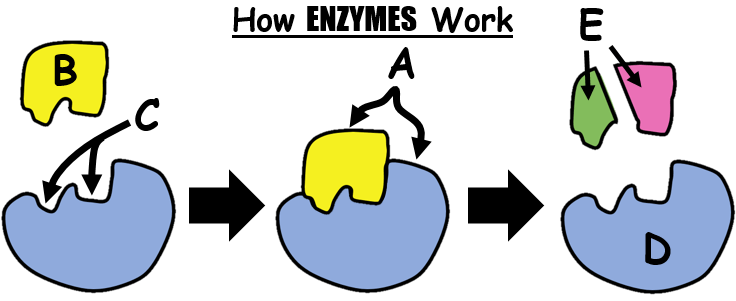
Select all that will affect the rate of photosynthesis.
Oxygen
Carbon Dioxide
Temperature
Water
Light intensity
To store energy you must add a phosphate and to release energy you take away a phosphate.
True
False
Which lettered graph represents the affect of glucose on the rate of respiration?
A
B
C
D
Which lettered graph represents the affect of temperature on the rate of respiration?
A
B
C
D
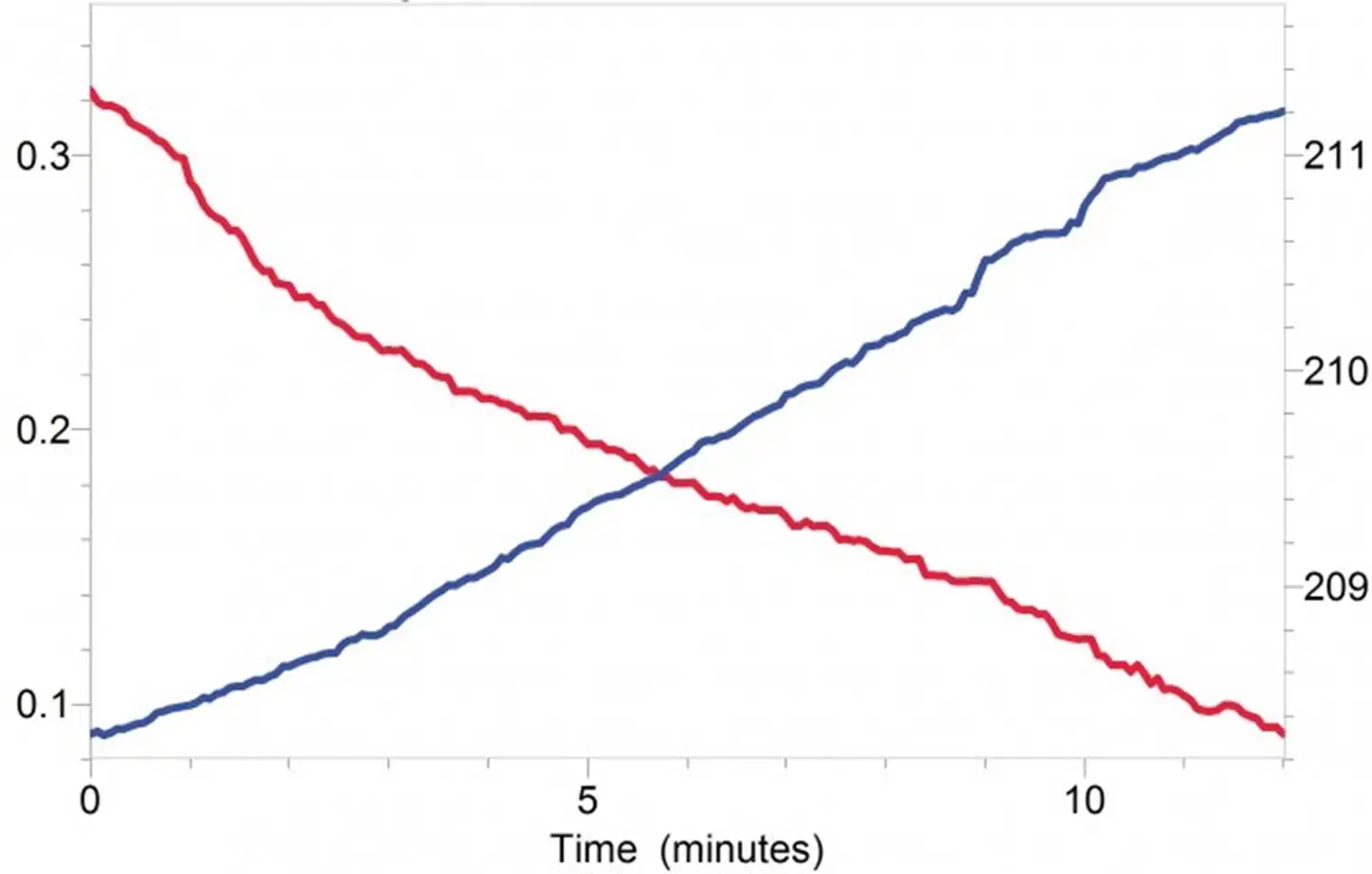
Which color represents the amount of CO2 in the atmosphere during photosynthesis?
Red
Blue
Neither
Not enough information

