
Font size
 Worksheets
Momentum, impulse and Newtons Laws
Total questions: 30
Worksheet time: 26mins

Find the momentum of a 3.0 kg mass when it is stopped.
0 kg*m/s
need to know the velocity
3.0 kg*m/s
9.8 kg * m/s

At what speed do the two blocks move after the collision?
2 m/s
5 m/s
10 m/s
What is the unit for momentum?
m/sec
kg/sec
kg/m
kg x m/sec
What is the unit for velocity?
m/sec
kg/sec
kg/m
kg x m/sec
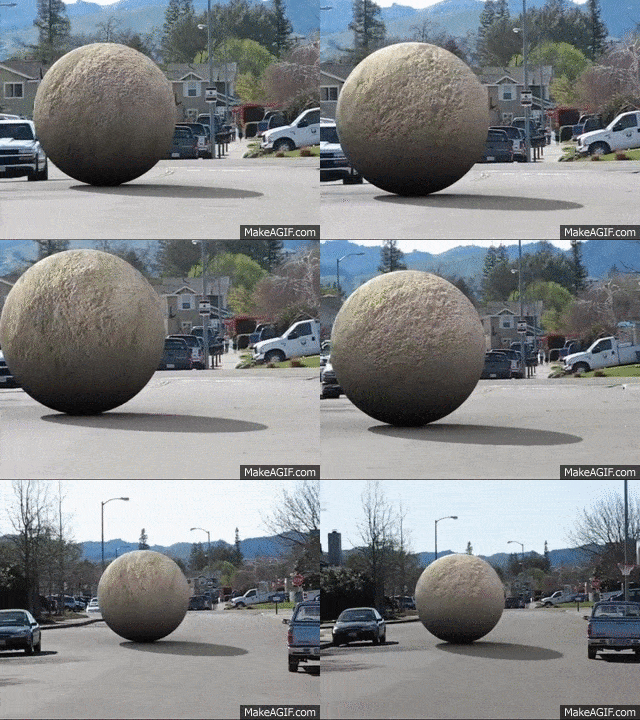
If an object has a momentum of 40 kg x m/s and a mass of 60 kg, what is it's velocity?
2400 m/s
1.5 m/s
240 m/s
.67 m/s

The Law of Conservation of Momentum states:
The total momentum before a collision is equal to the total momentum after a collision.
The total momentum before a collision is greater than the total momentum after a collision.
The total momentum before a collision is less than the total momentum after a collision.
The total momentum before a collision is not related to the total momentum after a collision.
According to Newton's Laws, for every action there is an ....
equal and opposite reaction.
equal and parallel reaction.
unequal and opposite reaction.
unequal and unrelated reaction.
What is the symbol for momentum?
p
m
M
mo
A 7.5 kg purple bowling ball is rolling down the lane at 5 m/s. A 7.5 kg red bowling ball is rolling down another lane at 5 m/s. Which of the following statements is true?
Both bowling balls have the same momentum.
The purple bowling ball has a greater momentum.
The red bowling ball has a greater momentum.
The momentums of the bowling balls cannot be determined.
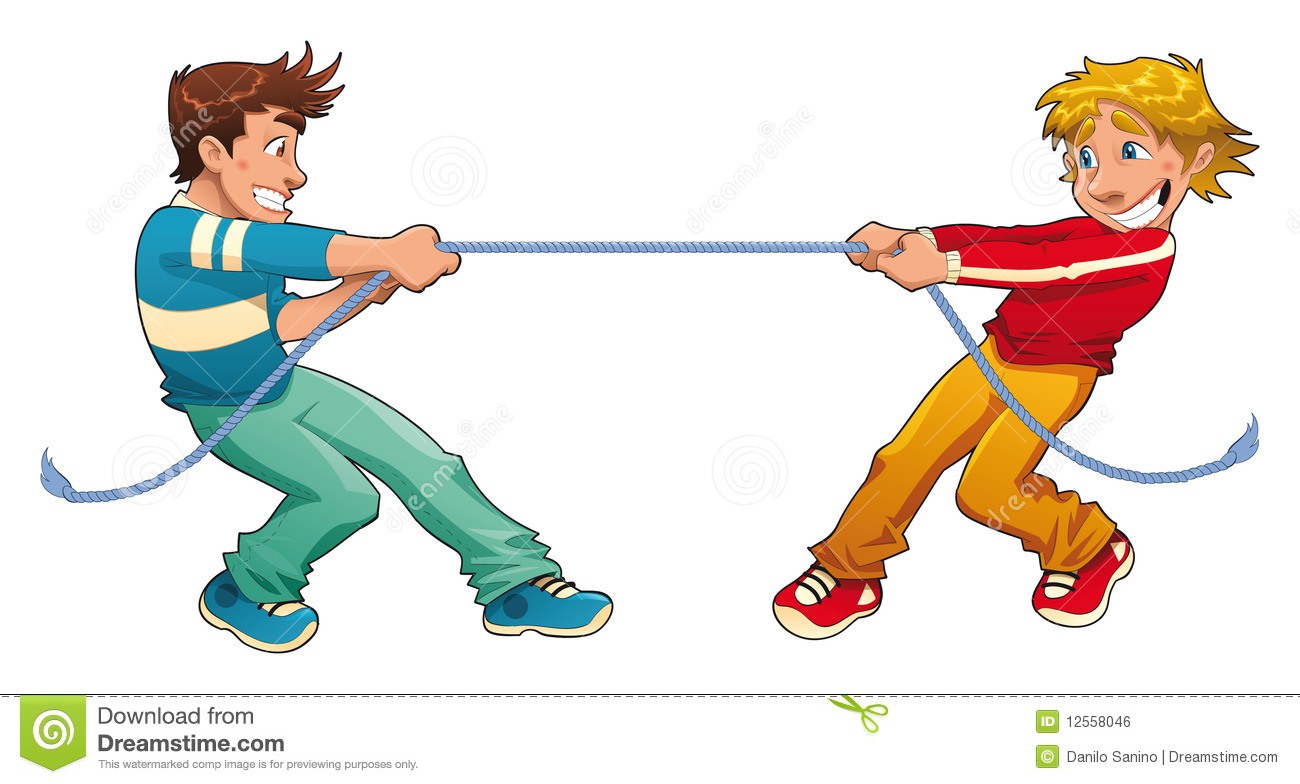
If you double the mass of an object but apply the same force apply on it, the acceleration will __________________.
double
cut in half
the same
zero

Which one of Newton’s Laws of Motion best explains why the dishes do not move when the tablecloth is removed?
Newton's 1st Law
Newton's 2nd Law
Newton's 3rd Law
A car speeding up to get through a yellow traffic light is an example of .... (select all that apply)
balanced Forces
unbalanced Forces
acceleration
Which type of force(s) will cause a change in an object's motion?
gravity
zero net force
balanced forces
unbalanced forces
An impulse depends on
weight and force
force and time
electric charge and time
none of these
If the change of momentum of an object is 50kg m/s, we can say the impulse is equal to:
0 kg m/s
25 kg m/s
50 kg m/s
100 kg m/s

