Worksheets
physical and chemical changes grade 7
Total questions: 145
Worksheet time: 1hrs 27mins
Which is a way that a piece of paper can go through a chemical change?
fold the paper in half
soak the paper in water
burn the paper with fire
cut the paper with scissors
Baking soda and vinegar combine to make carbon dioxide. This is a ...
Chemical Change
Physical Change
None of these
Hydrochloric acid reacts with potassium hydroxide to produce a salt, water, and heat. This is a ...
Chemical Change
Physical Change
None of the above
A pellet of sodium is sliced into two. Name the type of change.
Chemical change
Physical Change

Sugar dissolves in water. What is the change seen?
Chemical Change
Physical Change
None of the above

Grass growing in a lawn is an example of a ....
Physical Change
Chemical Change
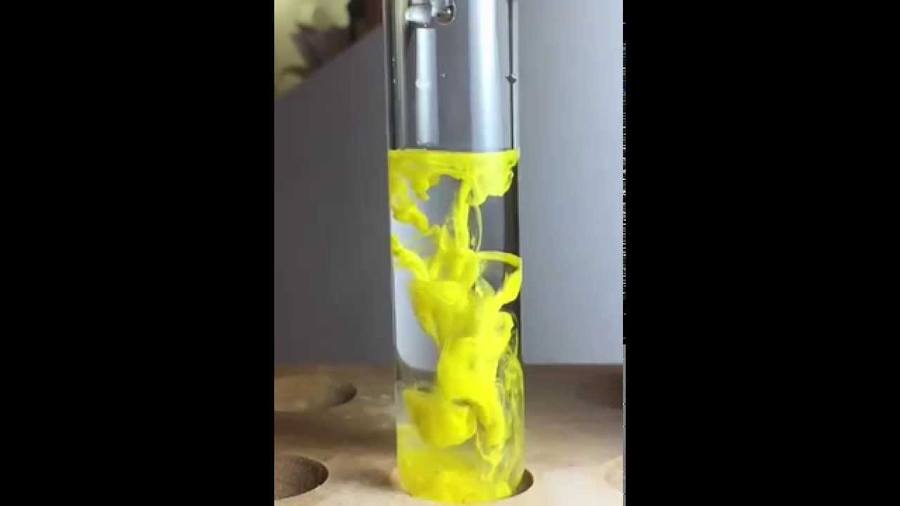
Colour change seen when a drop of food colouring is added to water, is a _________ change.
physical
chemical

Identify the change shown in the picture.
Irreversible physical change
Irreversible chemical change
reversible physical change
reversible chemical change

When a drop of iodine solution is added to bread, it turns blue-black in colour. What change does this represent ?
physical change
chemical change

Observe the picture and choose the correct option.
Irreversible physical change
Reversible physical change
When a candle burns, both physical and chemical changes occur.
True
False
Which of the following is an example of a physical change ?
burning of wood
photosynthesis
melting of ice-cream
ripening of fruit
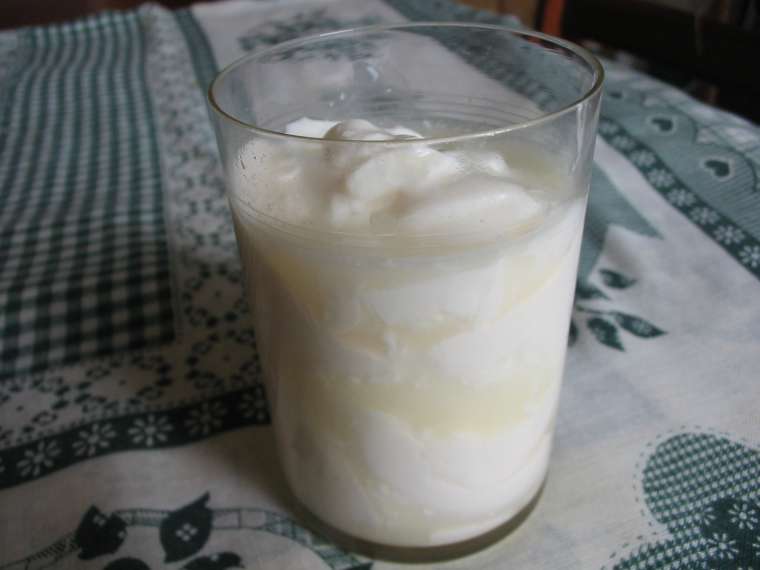
Is milk going sour a physical change or a chemical change?
Physical
Chemical

What happened to change the state of the butter?
Heat was taken away.
More heat energy was added.
More chemicals were added.
The particles of the butter slowed down.
Cutting your hair is an example of a ___________ change.
physical
chemical

This is an example of a _________ change.
physical
chemical
A physical change is
a change where the chemical properties of the substance do not change
a change where the chemical properties of the substance change
a change where the composition of the substance changes
A change in the size, shape, or state of matter is a ______.
chemical change
physical change
Which phrase most accurately describes a chemical change?
A change in size.
A change in appearance.
A change in taste.
A change at the molecular level.
A cup of water is left outside for two days. When it was checked there was only half a cup of water left. What happened?
evaporation; chemical change
condensation; physical change
evaporation; physical change
condensation; chemical change
What is an example of a chemical change that happens inside your body?
Food being broken down by enzymes in your stomach.
Food being broken down into small pieces by your teeth.
Food being moved to your stomach.
Water being absorbed inside your large intestine.
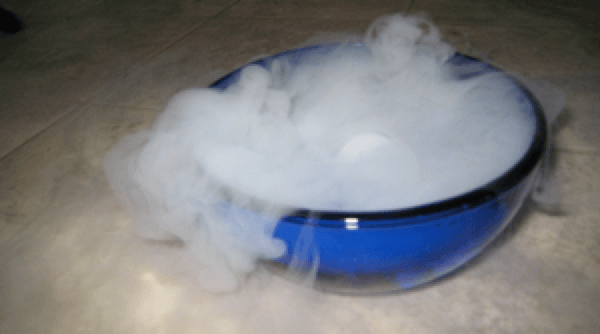
The image shows a bowl of dry ice. What is the process seen here?
Freezing
Boiling
Melting
Sublimation

Cutting an orange into wedges is a physical or a chemical change?
Chemical Change
Physical Change
How do you know that rusting is a chemical change?
it changes color
atoms were rearranged to form a new substance
we just know
the rust
True or False: All atoms are created or destroyed in a chemical reaction.
true
false
maybe
What property of metals does the term conductivity describe? (HINT: Think back to 6th grade.)
reactivity with other elements
melting & freezing point
ability to transfer heat and electrcity
density
What does an element's location on the periodic table tell you?
info about the properties of the element
importance & abundance if the elements
order of discovery
alphabetical order
The following are examples of evidence of a chemical reaction....
ice melting into a liquid
condensation
endothermic reaction
change in color, production of gas bubbles
What is the main idea behind how the Galileo Thermometer works?
density in water changes as temp changes, which causes the bulbs in the water to either float or sink depending on its density to the water
the bulbs either sink or float when they want to
there is no main way; it just does it
A solid rubber ball sinks when placed in water. What will happen if the ball is cut in half and one of the smaller pieces is placed underwater?
the smaller piece will sink
the smaller piece will rise and float in the middle
the smaller piece will float
the smaller piece will dissolve
Elements are called the building blocks of matter because.....
they are pure substances
they are often used to build things
all matter is made up of one or more elements
elements have mass & volume
A test was done on milk and orange to see which was more acidic. The milk had a pH of 6.5 and the o.j. had a pH of 4. Which one was more acidic?
milk
orange juice
neither
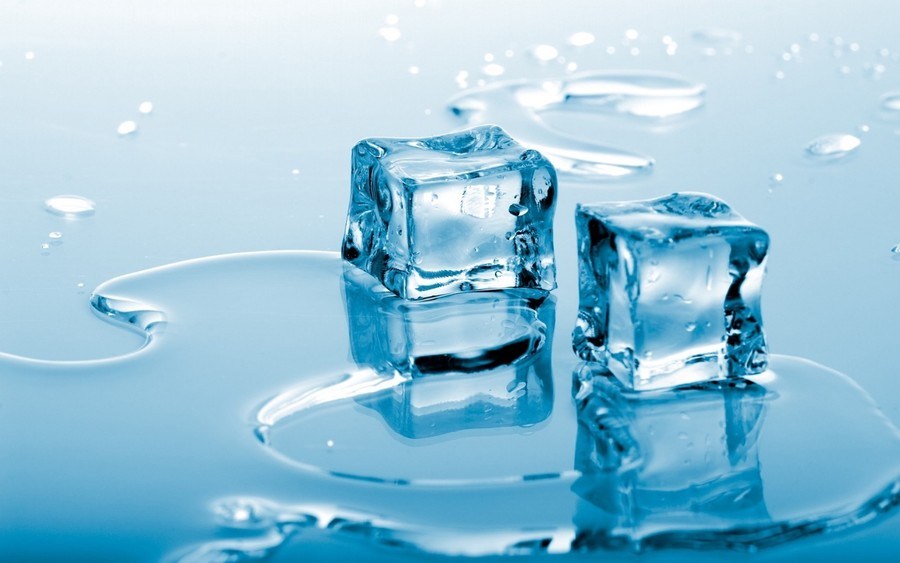
Ice (solid) can change to a liquid (water). This is a demonstration of a ______________________.
physical change
chemical change
neither
density
Ice cubes (made of fresh water) float higher in salt water, than ice cubes (made of fresh water) in fresh water (non-salt), why is this?
fresh liquid water and ice have the same density
frozen fresh water is more dense than salt water
salt water is more dense than frozen fresh water
Sometimes I notice rust on the metal part of the nozzle of my garden hose, how or why scientifically does this happen?
water running through the nozzle causes it to rust
rust or corrosion appear on metals over time
nozzle was damaged and exposed to water
iron in metal nozzle combined with oxygen in the air to form rust or iron oxide
What do we know about the density between hot and cold water?
cold water is less dense than hot water; therefore, cold water rises
cold water is less dense than hot water; therefore, cold water sinks
hot water is less dense than cold water; therefore, hot water rises
hot water is less dense than cold water; therefore, hot water sinks
When we combine baking soda and vinegar, it fizzes and eventually turn into a liquid. What is actually happening?
baking soda melted into its liquid form
baking soda combined with the vinegar produced a new substance
evaporated into the air
A pebble is dropped into a cup of water and sinks to the bottom of the cup. A metal bead (same size) is also dropped into the cup and sinks. How do the pebble and metal bead compare?
both are denser than water
both have the same density
both have the same mass
both have the same density as water
If an atom has 7 neutrons and 5 protons, how many electrons will it have?
2
7
5
12
If I combine baking soda and water, what type of change will I get?
chemical change as baking soda dissolved
physical change as baking soda dissolved
neither chemical or physical
water is neutral and doesn't produce a chemical change
The formula for calcium chloride is CaCl2. Which is the best response that explains what the formula means?
chlorine is 2 times stronger than calcium
two chlorine atoms are bonded to one calcium atom
calcium and chloride have 2 covalent bonds
chlorine is unstable until it bonds with 2 more calcium
What is pH?
the scale used to measure how liquid something is
the scale used to measure of the strength of an acid or base
the scale used to measure how hot something is
the scale used to measure how cold something is
What is matter? (Choose the BEST answer)
anything that has mass and volume
amount of space it takes up
anything that has color
amount of odor it has
Physical Change
Chemical Change


which of these example is a physical change?


is the picture chemical or physical
chemical
physical
ice melting is chemical
true
false
what is a physical change
its when a transformation doesn't change the nature of the molecules in matter
its when a transformation change the nature of the molecules in matter
its when a transformation change the nature of the molecules in substance
rust is chemical
true
false

is it physical
yes
no
any of the answer
which one is not an indicator of a chemical change
formation of gas
formation of a solid
formation of liquid
change of colour
change in temperature
A physical change is
a change where the characteristics do not change the substance
a change where the characteristics do change the substance
a change where the chemistry changes
A chemical change is when
the chemical properties change
the chemical properties do not change
a change where the characteristics do not change the substance
Select ALL of the characteristics of a physical change
changes in appearance only
a new substance is not created
changes in the ph level
burning and fire
chemical bonds are not created or broken
Which below are types of physical properties:
density
color change
temperature
mallelable
solubility
Cutting your hair is an example of a ___________ change.
physical
chemical
Which of the following are examples of chemical properties (more than one)
combusts
reacts with water and oxygen
ductile
is weighed in grams
has a sour taste
A new substance is formed in a physical change.
true
false
A chemical change does not have to do with phase changes.
true
false
This is an example of a _________ change.
physical
chemical

This is an example of a ________ change.
physical
chemical

This is an example of a _______ change.
physical
chemical
An element is
anything that takes up space
a substance made up of atoms of only one kind
two or more different elements in exact proportion
A compound is
anything that takes up space
a substance made up of atoms of only one kind
two or more different elements in exact proportion
The atom is the building block of matter.
true
false

A heterogeneous mixture is
a mixture in which individual substances are not evenly mixed
a mixture in which multiple substances are mixed
a mixture in which the individual substances are evenly mixed

A homogeneous mixture is
a mixture in which individual substances are not evenly mixed
a mixture in which multiple substances are mixed
a mixture in which the individual substances are evenly mixed

The part labeled "a" is the
element symbol
atomic number
element name
atomic weight
The part labeled "b" is the
element symbol
atomic number
element name
atomic weight
The part labeled "c" is the
element symbol
atomic number
element name
atomic weight
The part labeled "d" is the
element symbol
atomic number
element name
atomic weight

Burning wood is a
chemical change
physical change

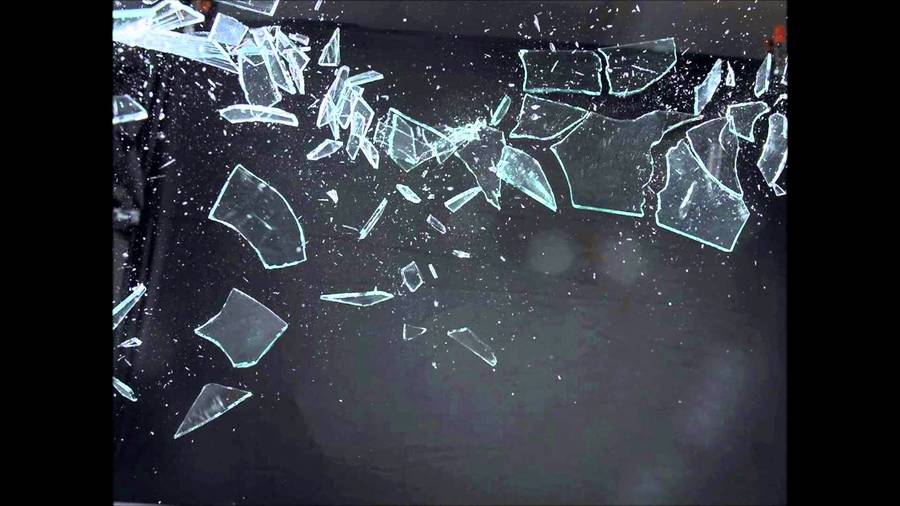
Broken glass is a
chemical change
physical change

Melting butter for popcorn is a
chemical change
physical change

An ice pack getting cold after you put it in the freezer for an hour is a
chemical Change
physical Change
A change in the size, shape, or state of matter.
chemical change
physical change
Which of the following is NOT an example of a physical change?
crumpling paper
sharpening a pencil
clothes shrinking
sour milk
A change in which NEW substances are formed.
Chemical change
Physical change
Which of the following is NOT an example of chemical change?
sour milk
burning wood
breaking a pencil
rust

Salt dissolved in water is a
physical change
chemical change

Chewing food is a
physical change
chemical change
Describes how matter reacts with other matter. Examples: flammability and toxicity.
physical properties
chemical properties
if there is a change in color, production of light, production of heat, production of gas, production of smell or formation of a new substance.
physical change
chemical change
What does it mean when there is a physical change?
Matter has change from one substance into another.
Matter has change on the molecular level
A new substance has been formed.
Matter has changed size, shape or form.
Which phrase most accurately describes a chemical change?
A change on the molecular level.
A change in appearance.
A change in taste.
A change in size.

Rotting fruit produces a bad smell. This happens because the fruit is experiencing a
physical change
chemical change

Rust on a bike is an example of chemical change.
True
False
A cup of water is left outside for two days. When it was checked there was only half a cup left. What happened?
evaporation; chemical change
condensation; physical change
evaporation; physical change
condensation; chemical change
A teacher is demonstrating physical and chemical changes to her class. Which action should she use to demonstrate a chemical change?
cutting a piece of paper
folding a piece of paper
tearing a piece of paper
burning a piece of paper
What is an example of a physical change that happens inside your body?
Food being broken down by acids in your stomach.
Food being broken down into small pieces by your teeth.
Food being moved to your stomach.
Water being absorbed inside your large intestine.
What is an example of a chemical change that happens inside your body?
Food being broken down by acids in your stomach.
Food being broken down into small pieces by your teeth.
Food being moved to your stomach.
Water being absorbed inside your large intestine.

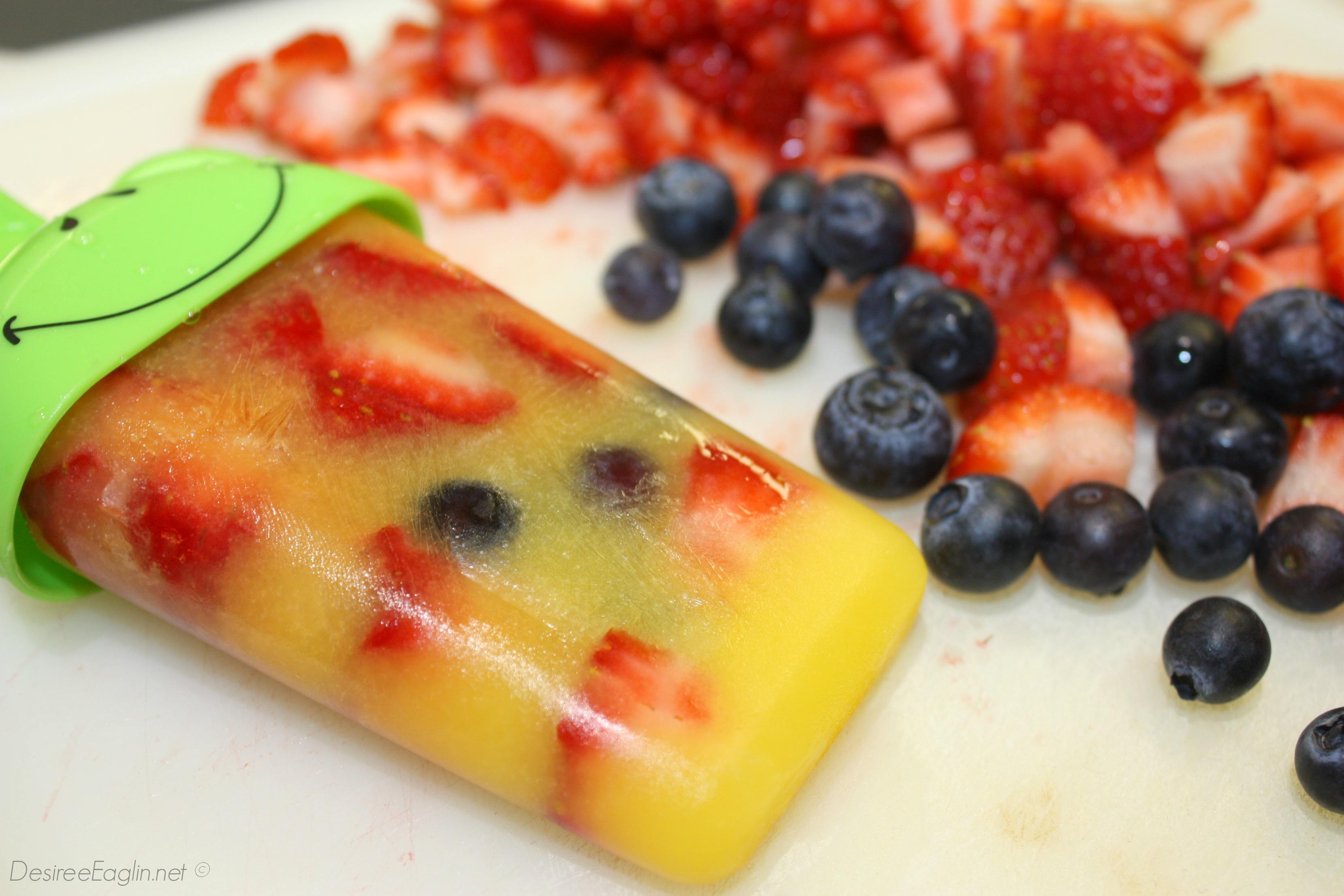

Is melting butter for popcorn a chemical or physical change?
chemical
physical

Change in color is a physical change.
True
False

Rust on an iron bar is an example of chemical change.
True
False

When you break a cracker into pieces it is a...
Chemical change
Physical change

The melting of wax is an example of a
chemical change
physical change

Cutting a log in to small pieces is a chemical change.
true
false