
 Worksheets
Transportation in Plants and animals
Total questions: 20
Worksheet time: 2hrs 40mins
_____ is the muscular wall that devides the heart length wise-
Septum
Ventricle
Atrium
None
In plants, food prepared by the leaves is transported to all the other parts of the plants by-
Stomata
Phloem
Root hair
Xylem
Which of the following is not a function of blood?
Blood cells, especially the WBCs, help fight infections.
Blood helps to distribute the digested food to all parts of the body.
Circulation of blood helps to maintain the body temperature
Blood removes the carbon dioxide, produced during respiration.
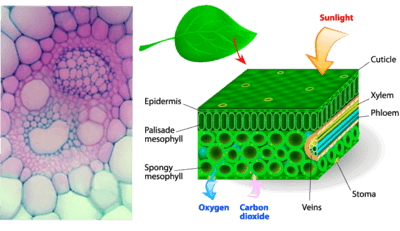
Recall that the movement of food in the phloem is called.
Translocation
Transpiration stream
Evaporation
Respiration
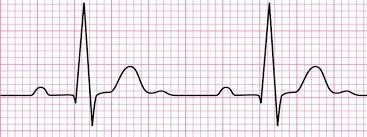
Type of device that records the electrical signal from your heart to check for different heart conditions.?
AED
MRI
ECG
CAT Scan
Which of the following indicates the pathway of water through a plant?
root hair cell --> xylem --> stomata
stomata --> root hair cell --> xylem
xylem --> stomata --> root hair cell
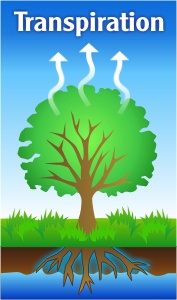

What would be the length of blood vessels, if they were in straight line?
1,00,132 km
1,11,222 km
1,00,109 km
1,00,000km
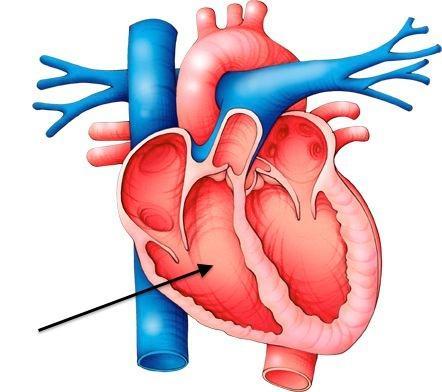
What is meant by Ascent Of Sap?
Upward Movement of Water in Xylem Vessels supported by Translocation.
Movement of food in the phloem vessels supported by Translocation
Upward movement of water in Xylem Vessels supported by Transpiration
Imposion of Thrombocytes in the circulation of Haemoglobin

What is the function of valves?
To prevent mixing of oxygenated and deoxygenated blood
To transport blood in one direction
To prevent backflow of blood


Specific type of plant tissue that transports food (sugar) made in the leaves to the entire plant
vascular plant
nonvascular plant
xylem
phloem
The function of transpiration is to transport _______ and ____________ from the roots to the leaves
water, mineral salts
food, nutrients
water, food

