
 Worksheets
Be a Paleontologist!
Total questions: 15
Worksheet time: 8mins
When there are no longer any living members of a plant or animal species, it is considered__________.
extinct
preserved
endangered
rotting
The hardened remains of a living thing that died long ago.
fossil
extinct
endangered
minerals
A ______________________ is a scientist who studies fossils.
biologist
chemist
paleontologist
astronomer
Most fossils are found in ________.
sedimentary rock
metamorphic rock
igneous rock
All of these
Which of the following substances is not able to preserve entire organisms?
sticky tar
water
amber
ice

An animal has sharp, pointy teeth. What can we infer about this animal?
The animal lived in the water.
The animal lived near the beach.
The animal was a carnivore.
The animal only ate plants.
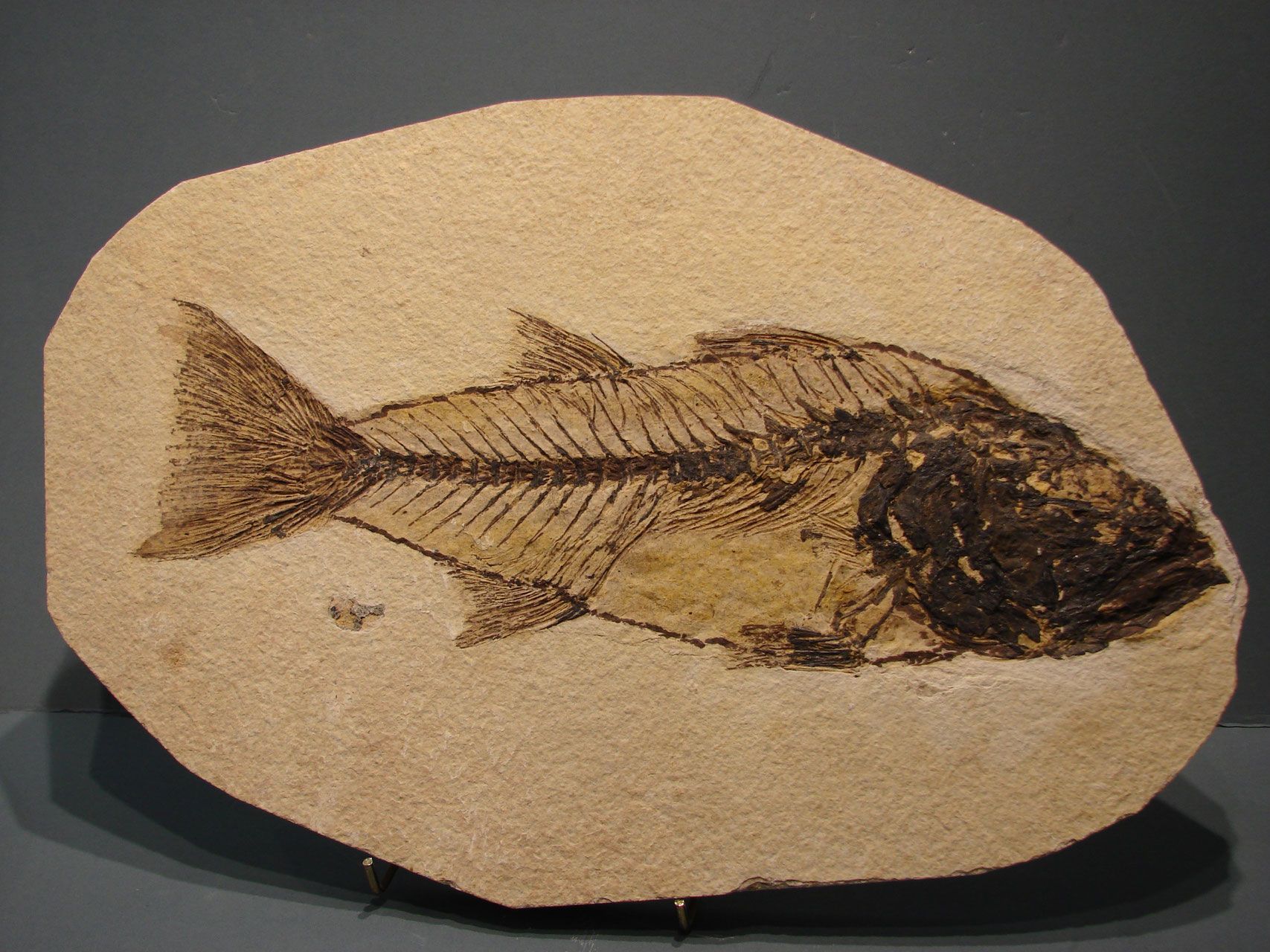
If you found a fish fossil in the desert, what can you infer?
An animal ate the fish.
The water covered the area long ago.
Today's fish looks the same.
The fish is endangered.

What can we infer about animals with dull teeth?
They ate other animals.
They ate only plants.
They ate nothing.
They only ate fish.
Turtles look much like they did millions of years ago. What can we infer about turtle fossils?
They did not change over time.
Turtles survived the Ice Age.
Turtles went extinct.
Turtles were never endangered.
Why are there more animal fossils than plant fossils?
Animals are smaller than plants.
Plants have harder bodies than animals.
Plans have softer bodies than animals.
Animals eat plants.
Scientists study the fossil record to learn about
The history of life
Past environments on Earth
How different groups of organisms have changed over time
All of these

This type of fossil is a mark or cavity made in sediment in the shape of a shell or other body.
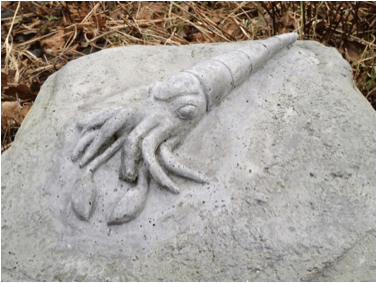
This type of fossil is a mold filled with sediment that creates a solid copy of an organism

This type of fossil provides evidence of the activities of ancient organisms. E.g., marks left by footprints or tails.
Mold fossil
Carbon film
Trace fossil
Cast fossil

