
 Worksheets
Haitian Revolution Quiz
Total questions: 20
Worksheet time: 11mins
What revolution Influenced The Haitian Revolution?
Industrial Revolution
Russian Revolution
Chinese Revolution
French Revolution
Why did the Haitian Revolution start?
The revolution started because of slaves wanting social equality and freedom.
Because of Robespierre
Started in 1791
Because of the important people
Which Enlightenment philosopher’s ideas on equality and natural rights became the basis of the Haitian Revolution?
Maximilien Robespierre
Thomas Hobbes
Marquis de Lafayette
John Locke
Which crop made the French colony of Saint Domingue so rich?
Beets
Sugar Cane
Bananas
Avocado
Who were the Gens de Couleur?
White Plantation Owners
Free Black Citizens
African Slaves
Americans
Why did Napoleon send an army to Saint Domingue?
He wanted to bring the people to France.
He wanted to defeat the British
He wanted to bring back slavery and get the wealth from sugar cane
He wanted to help the freed slaves
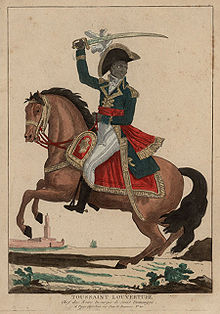
Who was the leading general of the Haitian Revolution?
Napoleon Bonaparte
Jean Jacques Dessalines
Hidalgo
Toussaint L'Ouverture
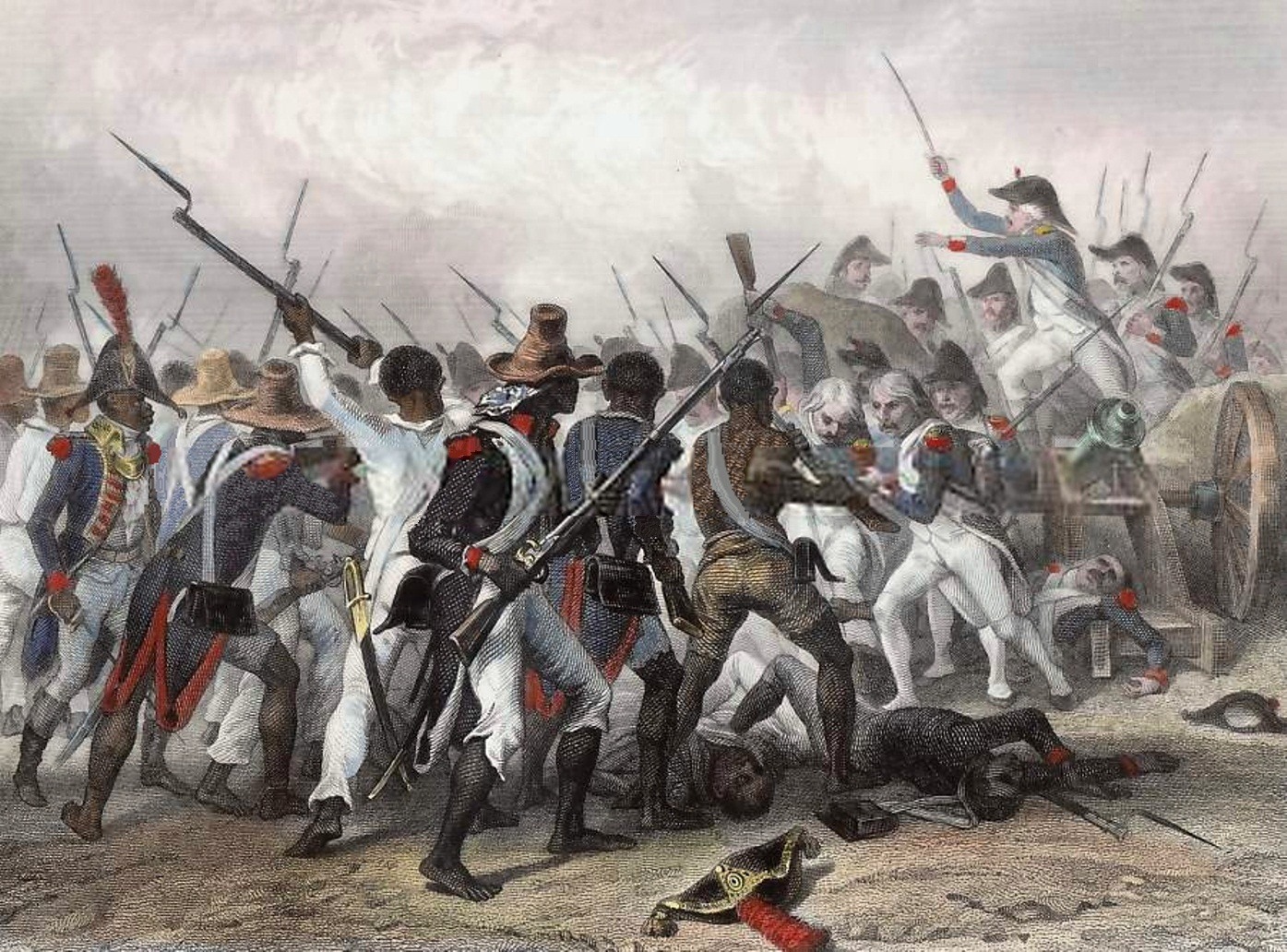

How were the Haitian, Mexican, and South American revolutions influenced by the Enlightenment?
They wanted to support the theory of divine right of kings.
They wanted to protect the class systems already in place.
They wanted to base government ideas on religious beliefs.
They wanted to gain equality and liberty in their nations.
Sugar plantations were introduced to Haiti in 1700, which _____ greedy Europeans' desire to enslave Africans for cheap labor.
Increased
Decreased
Demand was unchanged
All of the above
COVID-19

The Affranchis were freedmen who...
often worked as overseers
had to wear special clothing
could be government officials
had freedoms that threatened law makers
worked as artisans or servants on plantations
They were usually bi-racial, considered the elite class of urban slaves and domestics, who worked as cooks, personal servants and artisans around the plantation house. This relatively privileged class was chiefly born in the Americas.
Big Whites
Little Whites
Free Blacks
Creole Slaves
African Slaves
They were under-class of slaves that were stolen from their home; who labored hard, often under abusive and brutal conditions.
Free Blacks
African Slaves
Big Whites
Little Whites
Creole Slaves

What actions lead to the Creole elite feeling uneasy and eventually plotting the death of Jean-Jacques Dessalines?
He began a campaign of wiping out the country’s whites, thousands were killed.
He made it illegal for them to own property
He took land owned by white people
He defeated the French after they came back to try and force slavery on the people

Which one of these atrocities DID NOT HAPPEN to slaves working in St. Domingue?
They were whipped with more certainty and regularity than they received their food
They were jailed for trying to escape
They had boiling cane sugar over their heads
They were filled with gunpowder and then blew up with a match igniting the gunpowder

