
 Worksheets
Bone Basics and Long Bone Anatomy
Total questions: 50
Worksheet time: 28mins
Which is NOT a function of the skeletal system?
blood cell formation
fat and mineral storage
protection
body temperature regulation
How many bones do human adults have?
206
306
156
106
Skeletal division that includes the head, neck, and trunk.
axial skeleton
appendicular skeleton
endoskeleton
central skeleton
A vertebrae is an example of a(n) ______ bone.
long
short
flat
irregular
Roughly cube shaped bones are called ______ bones.
short
long
irregular
flat
The structural and functional units of compact bone.
osteons
lacunae
canaliculi
osteoblasts
The femur is an example of a(n) ______ bone.
long
short
flat
irregular

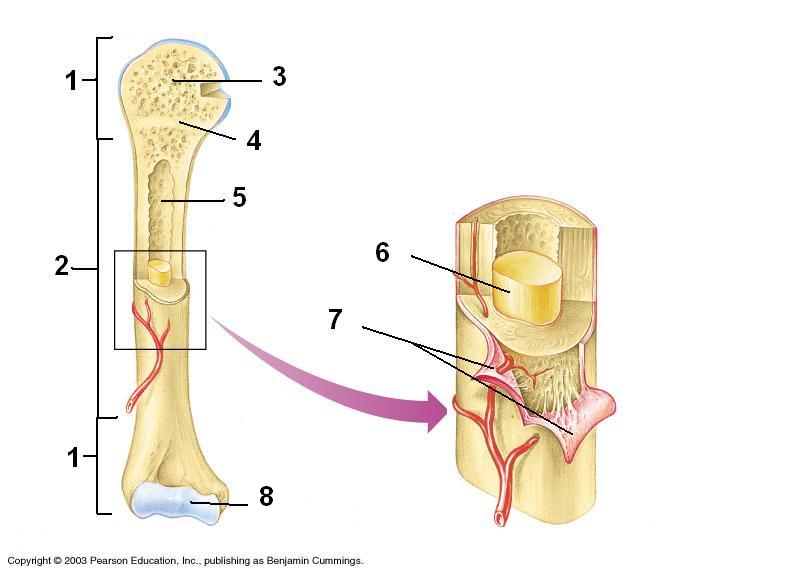
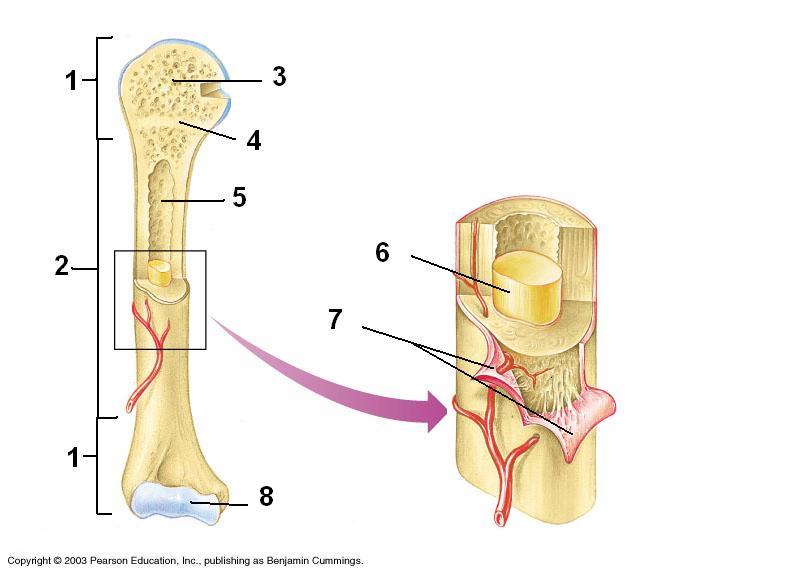
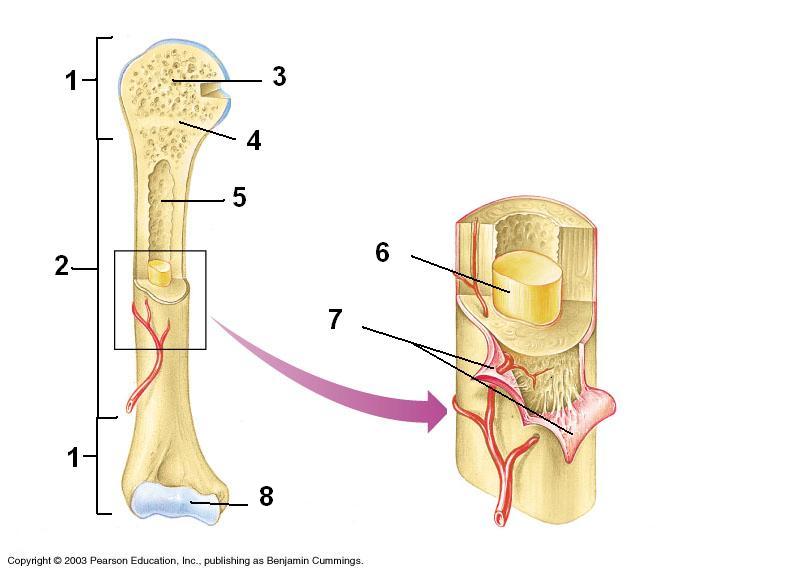
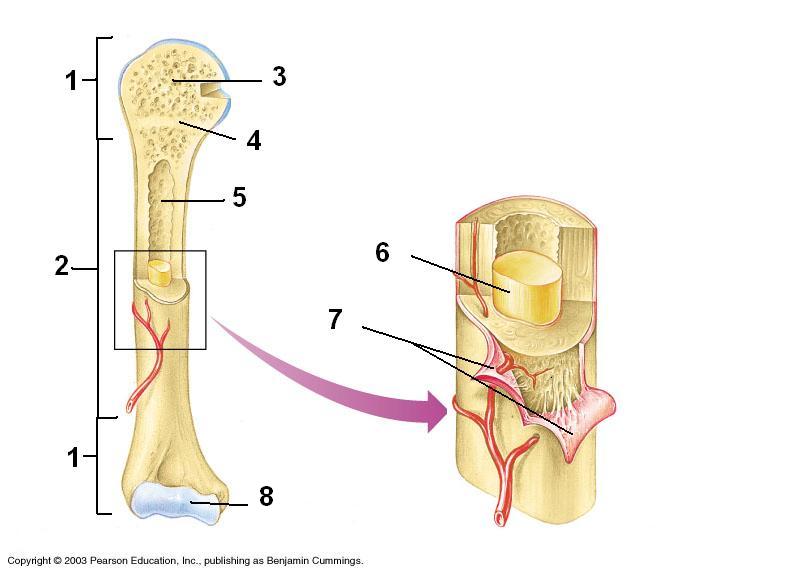

Area "C" is called -
Perforating Volksman canal
Central Haversian canal
Osteocyte
Lacunae

Area "D" is called the
Osteocyte
Lacunae
Central Haversian canal
Perforating Volksman canal

A mature bone cell is called an -
Osteocyte
Osteon
Osteoblast
Osteoclast

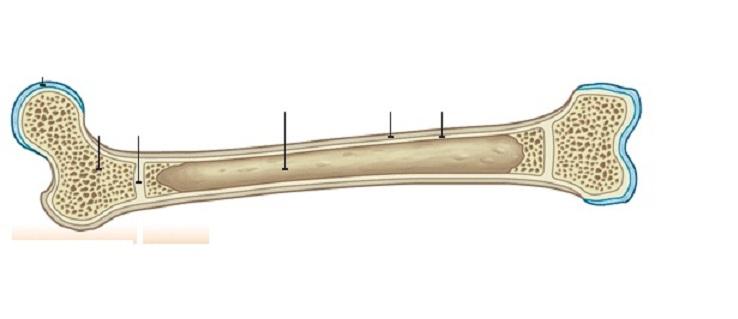
E
Endosteum
Periosteum
Sharpey's (Perforating) Fibers
Medullary Cavity
Yellow Bone Marrow
What is the name of the concentric (circular) rings composing an osteon?
lacunae
lamellae
epiphyseal plate
osteoblast
cells that build bone tissue
osteoblast
osteocyte
osteoclast
osteoprogenitor cell

This vertebrae would be considered which bone type?
long
short
irregular
sesamoid

The patella would be considered which type of bone?
long
irregular
sesamoid
flat
Which cell type would be more active during bone deposition?
osteoblast
osteoclast
osteocyte
all of the above
Which type of cell breaks down bone tissue
osteoblast
osteoclast
osteocyte
osteon
What is the term for the calcium phosphate part of the matrix?
collagen
spongy bone
hydroxyapatite
none of the above

Canaliculi are for
providing protection
housing osteocytes
providing nourishment
holding bone together
What can be found in the central canal of the haversian canal system?
osteocytes
lamella
blood vessels and nerves
red blood cells
_____________ gives tensile strength.
Fibrocartilage
Cortical bone
Hyaline cartilage
Cancellous bone
_________________ supports and reinforces.
Fibrocartilage
Cortical bone
Hyaline
Cancellous bone

What kind of bone is shown?
Long bone
Short bone
Flat bone
Irregular bone

What kind of bone is shown?
Long bone
Short bone
Flat bone
Irregular bone
A stem cell that eventually become an osteoblast is called
osteogenic cell
osteoclast
osteoblast
osteocyte
Blood vessels use what type of canal to go horizontally?
perforating canals
central canals
There is a large percentage of fat in ___________ marrow.
Red
Blue
Green
Yellow
What is the epiphyseal plate also known as?
dinner plate
epicondrial plate
hyaline plate
growth plate
Which term refers to a layer of bone tissue?
osteon
canaliculi
lamella
lacuna
trabecula

Identify the specific structure at arrow 7
osteon
perforating Volkmann's canal
concentric lamellae
central Haversian canal
medullary cavity

Identify the specific structures indicated
osteons
perforating Volkmann's canals
concentric lamellae
trabeculae of spongy bone tissue
medullary cavity

Identify the space marked B
central Haversian canal
perforating Volkmann's canal
medullary cavity
lacuna
canaliculi
Identify the spaces marked C
central Haversian canal
perforating Volkmann's canal
medullary cavity
lacuna
canaliculi

What connects muscle to bone?
ligaments
cartilage
tendons
bones

