Wayground logo

Free Printable Worksheets

Font size

S
M
L
XL
Worksheets

Hardware of computer

Total questions: 56

Worksheet time: 36mins

Name
Class
Date
1.

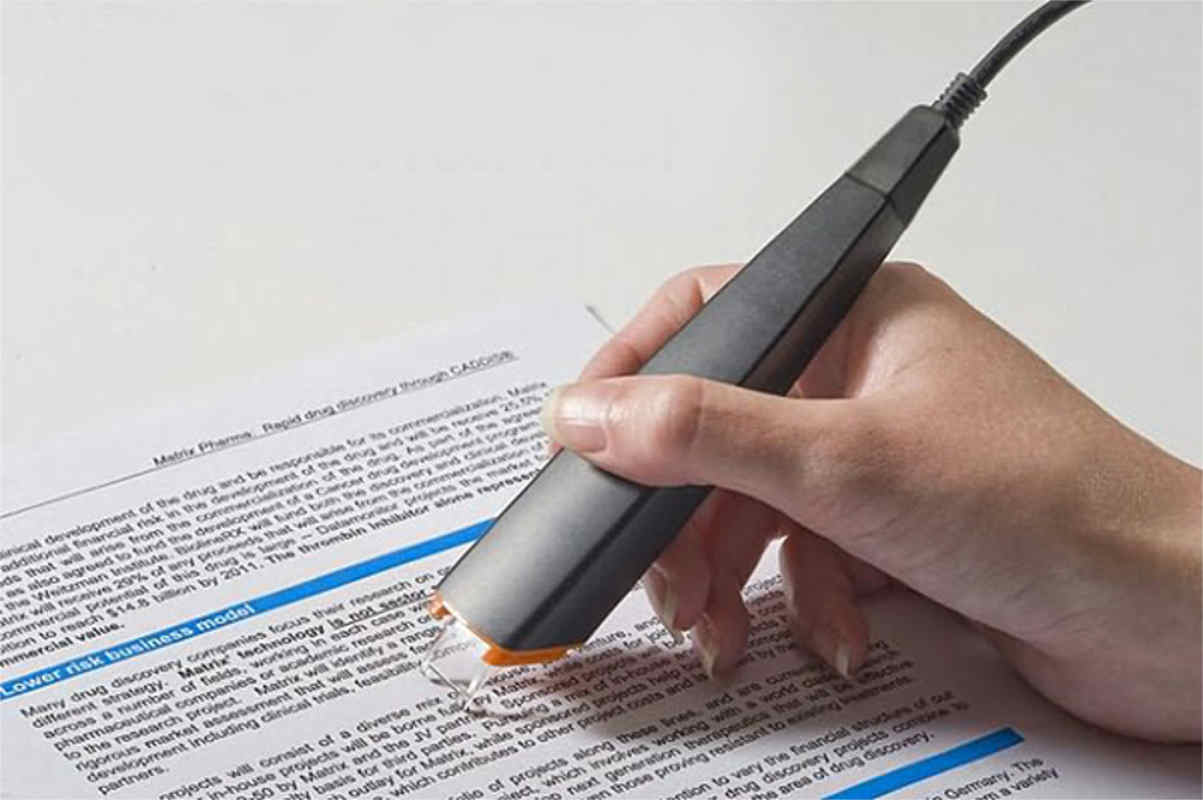
A pen shaped device which can sense light, and is used to point at spots on a screen.

a)

Light pen

b)

Tracker ball

c)

Mouse

d)

Joystick

2.
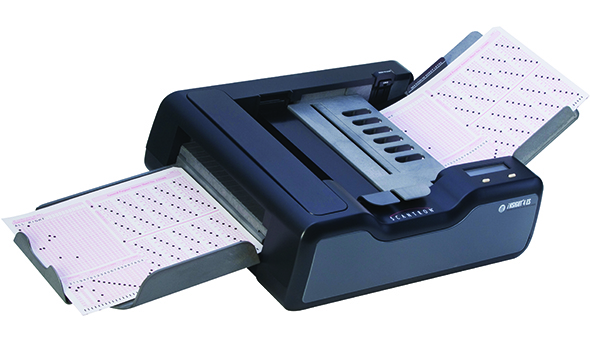
What does OMR stand for?
a)
Optical Mark Recognition
b)
Optical Meter Reader
c)
Operator Mark Recognition
d)
Online Meter Reader
3.
What does OCR stand for?
a)
Optical Character Reader
b)
Online Cloud Read
c)
Operating Command Recognition
d)
Online Cloud Recognition
4.
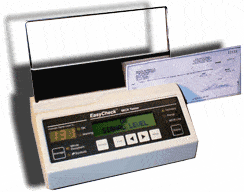
What does MICR stand for?
a)
Magnetic Ink Character Recognition
b)
Magnetic Ink Computer Recognition
c)
Multimedia Internet Computer Recognition
d)
Memory Internet Character Reader
5.

This mouse function allows you to select an item on the screen

a)

Clicking

b)

Double clicking

c)

Dragging and Dropping

d)

Right clicking

6.

Device that allows the user to put data into the computer

a)

INPUT DEVICES

b)

OUTPUT DEVICES

c)

STORAGE DEVICES

d)

PROCESSING DEVICES

7.

An input device that is used to input pictures, documents, pages of magazines, and other images into the computer.

a)

MOUSE

b)

OMR

c)

SCANNER

d)

OCR

8.

A software program that lets you speak words or phrases into a computer, but it will not format.

a)

Light pen

b)

Voice Recognition System

c)

Scanner

d)

Webcam

9.

Most commonly used input device.

a)

Graphic tablet

b)

Keyboard

c)

Track ball

d)

Joystick

10.

If you are shopping at a mall and you need to know the price of an item, you could use a _____________.

a)

Barcode Scanner

b)

Scanner

c)

Webcam

d)

OCR

11.

OMR and OCR are comes under _________ category of Input devices.

a)

Hand held Input Device

b)

Audio Input Device

c)

Pointing Input Device

d)

Optical Input Device

12.

The physical component of a computer system is called?

a)

Software

b)

Hardware

c)

Data

d)

Computer

13.

Which of the following is NOT a category of Hardware?

a)

Input Devices

b)

Software

c)

Central Processing Unit

d)

Storage Devices

14.

What do we call devices that are used to enter data, information and instruction into the computer system?

a)

Hardware

b)

Storage Devices

c)

Input Devices

d)

Output Devices

15.

Which of the following are examples of Input Deices?

a)

Barcode Scanner

b)

Monitor

c)

Joystick

d)

Speaker

e)

Microphone

16.

Which of the following describe the function of Output Devices?

a)

Devices used to enter information into the computer.

b)

Devices used to show and display information from the computer.

c)

Devices used to save information into the computer.

d)

None of the above

17.

The CPU is known as the _____________________ of the computer.

a)

Heart

b)

Processor

c)

Brain

d)

All of the Above

18.

Which of the following is NOT an Output Device?

a)
b)
c)
d)
19.

Which of the following Output Device gives a 'Hardcopy'?

a)

Speaker

b)

Printer

c)

Monitor

d)

Projector

20.

What does CU stands for?

a)

Central Unit

b)

Counting Unit

c)

Control Unit

d)

Central Processing Unit

21.

The ___________________determines the sequence in which instructions are executed within the computer.

a)

RAM

b)

ROM

c)

CU

d)

ALU

22.

____________________ is responsible for all the calculations sent to the computer.

a)

RAM

b)

ROM

c)

CU

d)

ALU

23.

Which memory in the Computer is used to store programs and data being used by the CPU in real time

a)

RAM

b)

ROM

c)

CU

d)

ALU

24.

Which Memory contains contents that can be changed or edited?

a)

RAM

b)

ROM

c)

CU

d)

ALU

25.

___________________memory contains the programs needed to start a PC, which is essential for boot-up;

a)

RAM

b)

ROM

c)

CU

d)

ALU

26.

What does ROM stands for?

a)

Ready Only Memory

b)

Random Only Memory

c)

Read Only Memory

d)

None of the Above

27.
What happens at the Decode step of the fetch-decode-execute cycle?
a)
The CPU makes sense of the instructions.
b)
The CPU fetches the information from RAM.
c)
The instructions are executed.
28.
What does CPU stand for?
a)
Control Processing Unit
b)
Central Processing Unit
c)
Central Power Unit
d)
Center Power Unit
29.
Which of the following is a job of the control unit?
a)
To start up the computer
b)
To manage the fetch decode execute cycle
c)
To create presentations
d)
To carry out calcul
30.
Which of the following is an example of 'main memory'.
a)
Hard Drive
b)
USB Drive
c)
RAM
d)
ROM
31.
Which of the following CPU's will have a better better performance:
A: 3 GHz Quad Core CPU
B: 3 GHz Duel Core CPU 
a)
A
b)
B
32.
How does clock speed affect computer performance?
a)
The higher the clock speed the slower the computer will run.
b)
It improves the amount you can store on the computer.
c)
The higher the clock speed the better the performance.
d)
It will make loading program slower
33.
How can a bigger cache improve CPU performance?
a)
By being able to carry out more calculations
b)
By being able to store more recently used instruction inside the CPU for quicker access times
c)
By being able to 
34.
ALU stands for
a)
Arithmetic Logic unit 
b)
Arithmetic Legal unit 
c)
Anti Logic unit 
d)
Arithmetic Logic undo
35.
Indicates how fast the CPU can run
a)
Cache size
b)
Core
c)
Intel
d)
Clock speed
36.
____ is a small amount of memory which is a part of the CPU - closer to the CPU than RAM.
a)
Cache
b)
Core
c)
Intel
d)
Clock speed
37.
A clock speed of 500Hz means...
a)
500 cycles per second
b)
5000 cycles per minute
c)
5 cycles per hour
d)
50 cycles per minute
38.
____is the world's largest manufacturer of PC microprocessors and the holder of the x86 processor architecture patent.
a)
IBM
b)
Apple
c)
Intel
d)
Compaq
39.
Clock speed is measures in
a)
bytes
b)
bits
c)
time
d)
hertz
40.
Example of impact printer?
a)
Dot matrix printer
b)
laser printer
c)
firewire printer
d)
laser printer
41.
Which of the following uses liquid ink?
a)
inkjet
b)
laser
c)
thermal
d)
impact
42.

Which printer is a non-impact?

a)

Dox Matrix

b)

Line printer

c)

Laser printer

d)

None of the above

43.

Which Memory is Volatile?

a)

RAM

b)

ROM

c)

Both above

44.

Which is the Main Secondary Memory?

a)

Blu Ray Disc

b)

DVD

c)

Hard Disk

45.

Operating System is loaded into ?

a)

ROM

b)

Hard Disk

c)

RAM

46.

What is BIOS ?

a)

Beginners Input/output System

b)

Basic Input/Output System

c)

Based Inside Of System

47.
RAM & ROM are known as what kind of memory?
a)
Secondary storage
b)
Main memory
c)
Registers
d)
Flash memory
48.
Where is ROM usually found inside a computer?
a)
Inside the CPU
b)
As part of the hard drive
c)
On the motherboard
d)
With the CD drive
49.
What is usually held in the contents of RAM?
a)
BIOS and Boot sequence needed to start the computer
b)
Operating System and currently running programs
c)
Software programs stored within the computer
d)
Recently executed instructions in case they are needed again
50.
What is stored in Read Only Memory (ROM)?
a)
Recently opened programs
b)
Operating system and currently running programs
c)
BIOS and boot sequence (the computer's initial start-up process)
d)
The CPU's registers
51.

The smallest unit for measuring Memory in computer is

a)

Bits

b)

Byte

c)

KiloByte

d)

MegaByte

52.

A combination of eight bits is called

a)

Kilobytes

b)

Gigabytes

c)

Bytes

d)

Terabytes

53.

What is the job of the ALU?

a)

To keep track of what instruction is next

b)

To add subtract and compare data

c)

To control the other parts of the processor

d)

To synchronise operations of the processor

54.

DRAM is made up of

a)

Capacitor

b)

Transistor

c)

Vaccum Tube

d)

Register

55.

Which of the following needs to be periodically refreshed

a)

SRAM

b)

DRAM

56.

Which is quicker, DRAM or SRAM?

a)

DRAM

b)

SRAM