wayground logo

Free Printable Worksheets

NEW

Font size

S
M
L
XL
Worksheets

TLE 5 - Preparing My Food Plate

Total questions: 78

Worksheet time: 37mins

Name
Class
Date
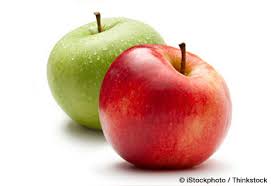
1.
What food group is the above food in?
a)
Dairy
b)
Grain
c)
Vegetable
d)
Fruit
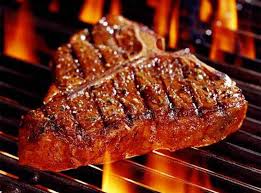
2.
What food group is the above food in?
a)
Dairy
b)
Grain
c)
Vegetable
d)
Fruit
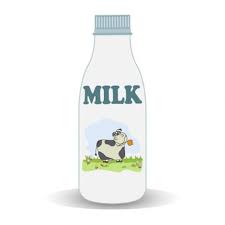
3.
What food group is the above food in?
a)
Grain
b)
Fruit
c)
Vegetable
d)
Fruit
4.
What food group is the above food in?
a)
Grain
b)
Protein
c)
Vegetable
d)
Dairy
5.
What food group is the above food in?
a)
Vegetable
b)
Fruit
c)
Grain
d)
Dairy
6.
What food group is the above food in?
a)
Protein
b)
Fruit
c)
Vegetable
d)
Grain
7.
How often should you eat healthy food?
a)
Every Tuesday.
b)
On your birthday.
c)
Everyday.
d)
On Christmas only.
8.
Why should you eat healthy food everyday?
a)
It will give you energy.
b)
It will make your eyes turn blue.
c)
It will make your heart pump faster.
d)
It will make you get A's in school.
9.
Which one is NOT a dairy food?
a)
yogurt
b)
ham sandwich
c)
milk
d)
cheese
10.

Which food group is NOT part of the food-based dietary guidelines?

a)

dairy

b)

protein

c)

vegetables

d)

fats

11.

Yogourt

a)

Fruits and Vegetables

b)

Milk and Alternatives

c)

Meats and Alternatives

d)

Grain products

12.

How much of your plate at meals should be fruits and vegetables?

a)

Your Whole Plate

b)

Half Of Your Plate

c)

A Quarter of your Plate

d)

They Should Not Be On Your Plate

13.

From which food group should you eat 5 to 7 servings a day?

a)

Milk, yogurt, and cheese

b)

Meat, poultry, fish, eggs, beans, and nuts

c)

Vegetables, salad, and fruit

d)

Cereals, breads, potatoes, pasta, and rice

14.

What food group should you only have once or twice a week?

a)

Fats, spreads, and oils

b)

Food and drinks high in fat, sugar, and salt

c)

Milk, yogurt, and cheese

d)

Meat, poultry, fish, eggs, beans, and nuts

15.

How many food groups are there?

a)

6

b)

3

c)

5

d)

8

16.

Which food group gives your body energy?

a)

meats

b)

dairy

c)

fruit

d)

grains

17.

Food is grouped by _________________.

a)

taste

b)

look

c)

what it gives our bodies

d)

how full you get from eating it.

18.

Which food group helps to build new cells?

a)

Carbohydrates

b)

Fats

c)

Fiber

d)

Protein

19.

Which food group has no nutritional value and gives you no energy but is needed for moving food through the digestive system?

a)

Fiber

b)

Protein

c)

Carbohydrates

d)

Lipids

20.

What is the main reason why carbohydrates should be the majority of your diet?

a)

They help to build and repair your tissues

b)

They give you energy and fiber

c)

They give you the most energy

d)

They help prevent diseases

21.

Which food group should you eat in only very small amounts?

a)

Fats, spreads, and oils

b)

Meat, poultry, fish, eggs, beans, and nuts

c)

Milk, yogurt, and cheese

d)

Vegetables, salads, and fruits

22.

Which food below would contain the most amount of fiber?

a)

A steak

b)

Cheese

c)

An apple

d)

Slice of white bread

23.

What are the main nutrients in this food group?

a)

vitamins and minerals

b)

proteins

c)

carbohydrates

d)

fats

24.

What foods contain vitamins and minerals?

a)

fish and meat

b)

oil, chocolate and sweets

c)

pasta, rice, bread and banana

d)

fruit and vegetables

25.

What nutrients do fish and meat contain?

a)

proteins

b)

fats

c)

vitamins

d)

minerals

26.

Whats are the main nutrients in this food group?

a)

carbohydrates

b)

proteins and carbohydrates

c)

vitamines and fats

d)

fats

27.

Which food group give us energy that our body can store?

a)

fruit and vegetables

b)

fats

c)

fish and meat

d)

bread, pasta and rice

28.

Which nutrients help our body to grow and repair?

a)

fats

b)

carbohydrates

c)

vitamines and minerals

d)

proteins

29.

Which foods contain fats?

a)

Tomato, carrots, lettuce and onion

b)

Banana, pasta, rice and potatoes

c)

Avocado, oil and chocolate

d)

chicken, salmon and pig

30.

Which food group give us energy?

a)

Carbohydrates

b)

Fats

c)

Vitamines and minerals

d)

Proteins

31.
What food group is the above food in?
a)
Fruit
b)
Vegetable
c)
Dairy
d)
Grain
32.
What food group does bread belong to?
a)
Proteins
b)
Carbohydrates
c)
Fats and sugar
d)
Dairy
33.

Examples of proteins are:

a)

Foods that give provide us with energy: Rice, potatoes and cereal.

b)

Foods that build and repair our bodies for growth: Meat, eggs and nuts.

c)

Foods that provide us with energy and helps protect our organs: Sunflower oil, butter and avocado pear.

d)

Foods that help our bodies develop and stay healthy: Fruit and vegetables.
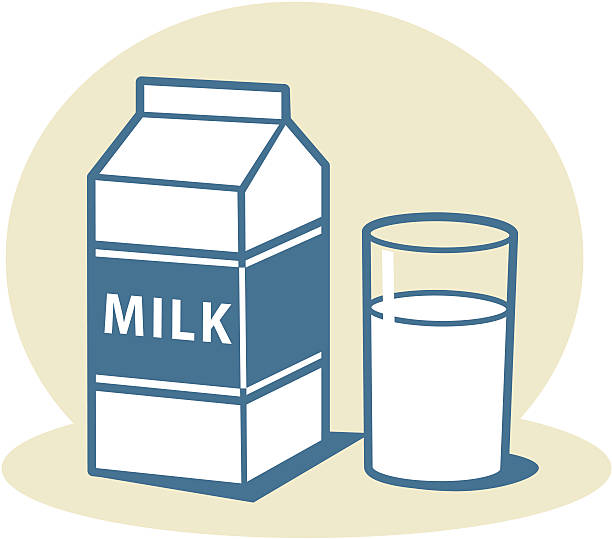
34.

Examples of carbohydrates are:

a)

Foods that give provide us with energy: Rice, potatoes and cereal.

b)

Foods that build and repair our bodies for growth: Meat, eggs and nuts.

c)

Foods that provide us with energy and helps protect our organs: Sunflower oil, butter and avocado pear.

d)

Foods that help our bodies develop and stay healthy: Fruit and vegetables.

35.

Examples of vitamins and minerals are:

a)

Foods that give provide us with energy: Rice, potatoes and cereal.

b)

Foods that build and repair our bodies for growth: Meat, eggs and nuts.

c)

Foods that provide us with energy and helps protect our organs: Sunflower oil, butter and avocado pear.

d)

Foods that help our bodies develop and stay healthy: Fruit and vegetables.

36.

Calcium helps us:

a)

Make strong teeth and bones.

b)

Helps make red blood cells which carry oxygen around your body and gives you energy.

c)

Helps your immune system and also assists with growth and healing wounds.

37.

What food group is this?

a)

fruit

b)

grain

c)

vegetable

38.

What food group is this?

a)

grain

b)

protein

c)

dairy

39.

What food group is this?

a)

fruit

b)

protein

c)

dairy

40.
Which of the following is NOT a part of My Plate?
a)
Grains
b)
Fruit
c)
Candy
d)
Protein
41.
Which of the following is an example of a protein?
a)
wheat bread
b)
turkey
c)
green beans
d)
apples
42.
How much of your plate should be fruit and vegetables?
a)
half
b)
all
c)
none
d)
most
43.
What important mineral is found in the dairy group?
a)
vitamin c
b)
fiber
c)
dairy
d)
calcium
44.
Eating from all food groups can protect against certain illnesses. 
a)
true
b)
false
45.
Milk is the only food that contains calcium.
a)
true
b)
false
46.
Which of the following are foods that are in the dairy group?
a)
Cream/OJ/Apple Juice
b)
Yogurt/Ice Cream/Soy Milk
c)
Butter/Cream Cheese
d)
All of these are dairy
47.
Which of the following foods have a lot of fat and sugar?
a)
Doughnuts, Cake, Sausage, Butter
b)
Meat/Potatoes
c)
Salad/Lettuce/Grains
d)
All these are bad for you
48.
Chocolate and other sweets are okay as long as you have them sometimes and the portion is small.  
a)
False 
b)
True 
49.
Which of the following is NOT a Dairy source?
a)
Milk
b)
Yogurt
c)
Cheese 
d)
Eggs 
50.
Your goal should be to have a _______________ plate. Fill in the missing word. 
a)
Balanced 
b)
Healthy 
c)
Heavy 
d)
Grain Filled 
51.
What important mineral is found in the dairy group?
a)
vitamin c
b)
fiber
c)
dairy
d)
calcium
52.
My Plate replaced
a)
Food Pyramid
b)
Pyramid of Healthy Choices
c)
My Plate Health
53.
Which of the following foods is not a grain source? 
a)
Brown Rice 
b)
Apple
c)
Wheat Bread 
d)
Spaghetti 
54.
Seafood is a type of protein.
a)
True
b)
False
c)
Maybe
55.
Brandon just ate celery with peanut butter on top.  Did he eat any protein?
a)
Maybe
b)
Yes
c)
No
56.
Which of the following are examples of foods that are grains?
a)
Bread
b)
Cereal
c)
Rice
d)
All the above
57.
What is the nutrient in the grain group that helps us digest food?
a)
Fiber
b)
Fiver
c)
Sodium
d)
Fat
58.
When is the best time to keep your diet balanced if you missed a certain food category during a meal? 
a)
Dinner 
b)
Snack Time
c)
Breakfast 
d)
Lunch 
59.
Half of your grains should be
a)
White bread
b)
whole grains
c)
donuts
d)
bagels
60.
The dairy on your plate should be:
a)
Chocolate
b)
low fat or fat free
c)
whole milk
d)
Cream
61.
Which of the following are proteins?
a)
arugula
b)
Strawberries
c)
tortilla
d)
Beans, eggs, chicken
62.
Building a healthy plate can help you avoid:
a)
Obesity
b)
Diabetes
c)
Reduce risk of Heart disease
d)
All
63.
What is the missing part? Grain, Protein, Vegetable, Fruit,............?
a)
Milk
b)
Water
c)
Soda
d)
Juice
64.
What color is the Vegetable category on your plate?
a)
Purple
b)
Green
c)
Yellow
d)
Blue
65.
What is an example of a protein you could add to your plate?
a)
Apple
b)
Carrots
c)
Chicken
d)
Olive oil
66.
Which one of the following is a protein source? 
a)
Banana
b)
Beans 
c)
Bagels
d)
apple
67.
Which of the following foods is not a grain source? 
a)
Brown Rice 
b)
Apple
c)
Wheat Bread 
d)
Spaghetti 
68.
Peanut butter is found in which food group?
a)
Fruits
b)
Grains
c)
Dairy
d)
Protein
69.
Which one of the food categories below is NOT part of My Plate? 
a)
Grains
b)
Water
c)
Vegetables
d)
Protein
70.

What Color is the Grain section?

a)

Blue

b)

Green

c)

Brown

d)

Red

e)

Purple

71.

What color is the Dairy section?

a)

Blue

b)

Green

c)

Brown

d)

Red

e)

Purple

72.

What Color is the Protein section?

a)

Blue

b)

Green

c)

Brown

d)

Red

e)

Purple

73.

What Color is the Fruit Section?

a)

Blue

b)

Green

c)

Brown

d)

Red

e)

Purple

74.

What Color is the Vegetable Section?

a)

Blue

b)

Green

c)

Brown

d)

Red

e)

Purple

75.

Which Section is the smallest?

a)

Protein

b)

Grain

c)

Dairy

d)

Vegtables

e)

Fruit

76.

Which Section is the Largest?

a)

Protein

b)

Fruits

c)

Vegtables

d)

Dairy

e)

Grain

77.

What food Group do Almonds belong in?

a)

Protein

b)

Fruit

c)

Vegetable

d)

Grain

e)

Dairy

78.

Water is part of what food group?

a)

dairy

b)

vegetable

c)

fruit

d)

It is not a part of any food group, but is an essential nutrient found in some fruits and vegetables