
Font size
 Worksheets
Bellwork 2 Week 2 2nd 9 Weeks
Total questions: 15
Worksheet time: 23mins
As you move from left to right on the periodic table, the number of valence electrons.......
Increases
Decreases
Remains the same
Which definition correctly explains electron affinity?
The ease with which an atom gains an electron
Energy required to remove an electron
The ability of an atom to attract electrons in a chemical bond
electron pull to a positive nucleus
Which of the following would be most similar to Phosphorus? (select all that apply)
Nitrogen
Sulfur
Silicon
Germanium
Antimony
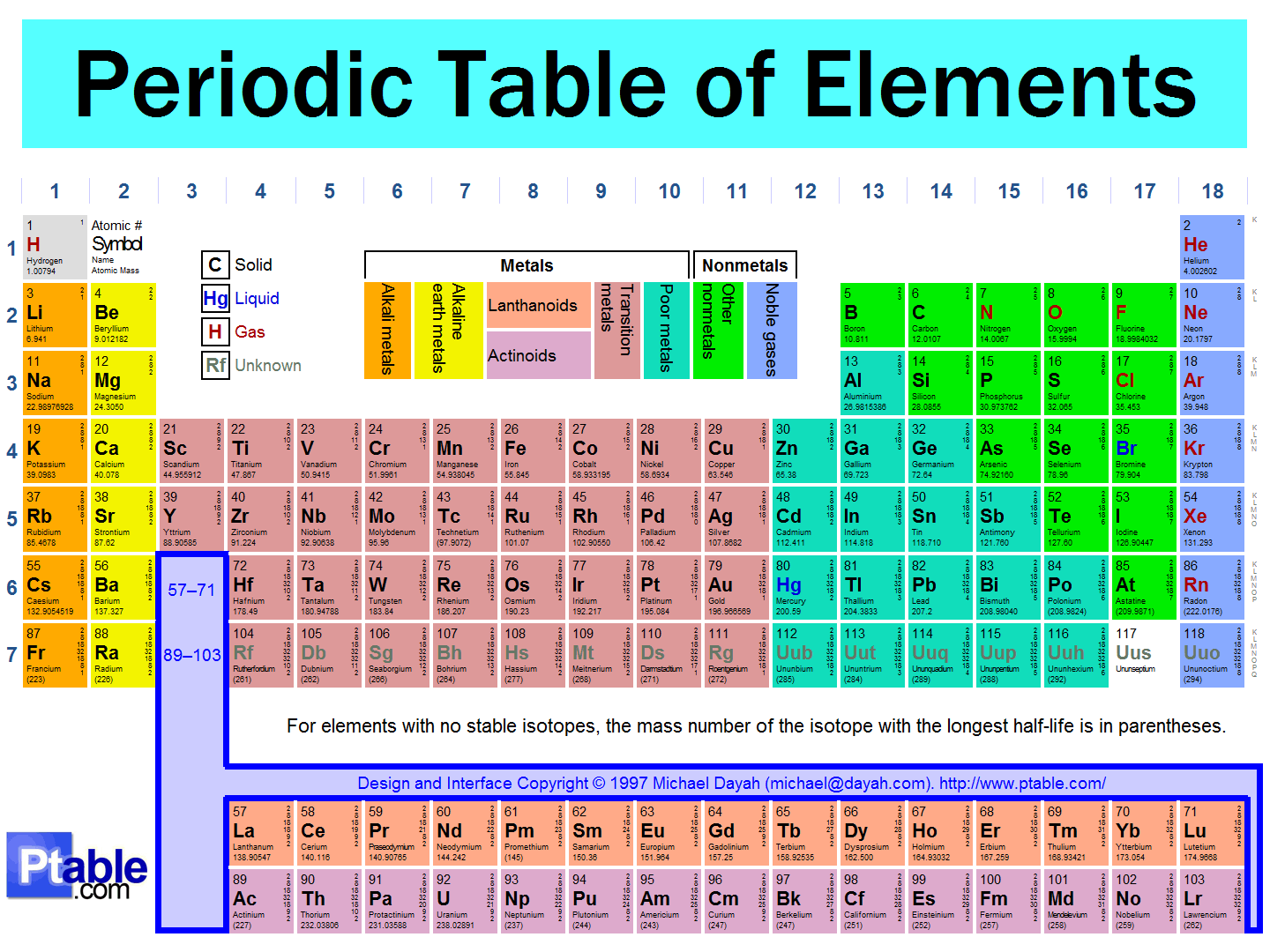
Elements with similar chemical and physical properties are located in what on the periodic table
groups
towers
periods
atomic numbers

Which element is most likely to have six valence electrons?
Barium (Ba)
Carbon (C)
Oxygen (O)
Americium (Am)
Which element is most likely to have three electron energy levels?
Argon (Ar)
Lithium (Li)
Boron (B)
Europium (Eu)
Which element is located in period 4 and group 5?
Vanadium (V)
Zirconium (Zr)
Niobium (Nb)
Titanium (Ti)
Which element is most likely to have six electrons in its 4th energy level?
Oxygen (O)
Selenium (Se)
Krypton (Kr)
Potassium (K)
Subatomic Particles that participate in chemical bonding and are located on the outermost energy level of an atom are called_______________
Neutrons
Protons
Isotopes
Valence Electrons

