
 Worksheets
economic review
Total questions: 80
Worksheet time: 46mins

Which type of economic system bases its decisions on custom?
Market Economy
Mixed Economy
Command Economy
Traditional Economy

Which type of economy has central ownership and lack of individual choice?
Market Economy
Mixed Economy
Command Economy
Traditional Economy

Which type of economy is controlled by the government?
Command
Market
Mixed
Democratic

Which type of economy is run by the businesses & business owners?
Command
Mixed
Communist
Market

Government owns resources and controls production, prices, and wages.
traditional
command
market
mixed

Individuals own most resources and determine what and how to produce.
traditional
command
market
mixed

What type of economy does the United States have?
Traditional
Command (Communist)
Market (Free Enterprise)
Mixed (Socialist)

What is subsistence farming?
Farming for sub-sandwiches
When farmers grow food crops to meet the needs of themselves and their families

Bartering and trading are mainly used in this economy:
Traditional Economy
Market Economy
Command Economy

Which type of economy is the most common?
Mixed
Free Market
Command
Traditional
Another term for Socialism is:
capitalism
profit
Mixed Economy
command economy
How many countries are in the world today?
88
174
123
195
The way a country organizes how it will produce goods to meet the needs of its people
Economic System
Human Rights
Government
Statistics
Many, but not all, businesses are owned & controlled by the government
Individuals can own businesses, but the government controls most social services
Mixed
Command
Market
Communist
Buyers and sellers make the decisions.
Traditional
Communist
Free Enterprise System
Socialist
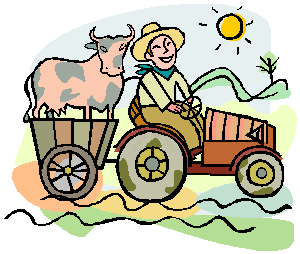

businesses, property, and resources belong to individual
citizens instead of the government
private ownership
public works
private club
public transportation

Liberal politician Bernie Sanders favors universal health care and free college for all. This means that he would like an economy in the United States that is
capitalist
communist
socialist
traditional
In my country, the government makes all the economic decisions.
Traditional
Command
Market
Mixed
To trade goods
Taxes
Barter
Service
Producer


_______________ IS KNOWN AS THE NATURAL RESOURCES USED TO PRODUCE GOODS AND SERVICES
Entrepreneurs
Capital
Labor
Land
_______________ IS KNOWN AS THE MANMADE RESOURCES USED TO PRODUCE GOODS AND SERVICES.
Entrepreneurs
Capital
Labor
Land
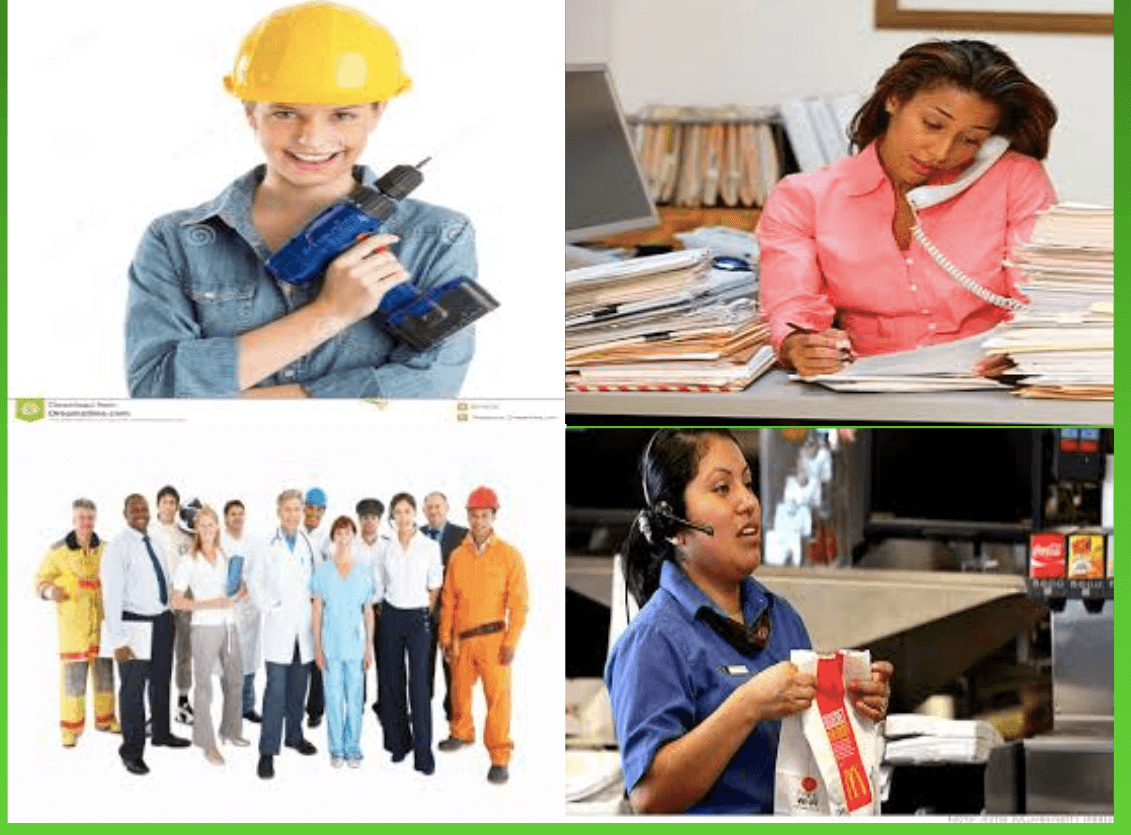
Which of the factors of production is this?
capital
entrepreneur
land
labor
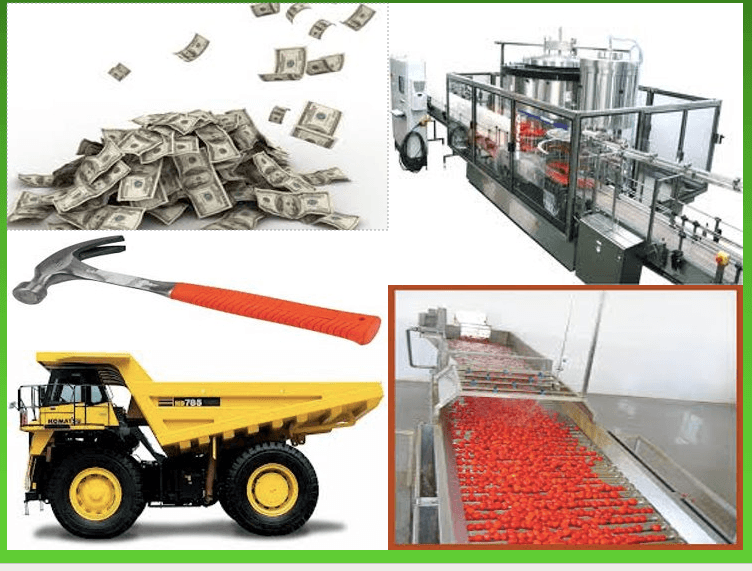
Which one of the factors of production is this?
capital
entrepreneur
land
labor
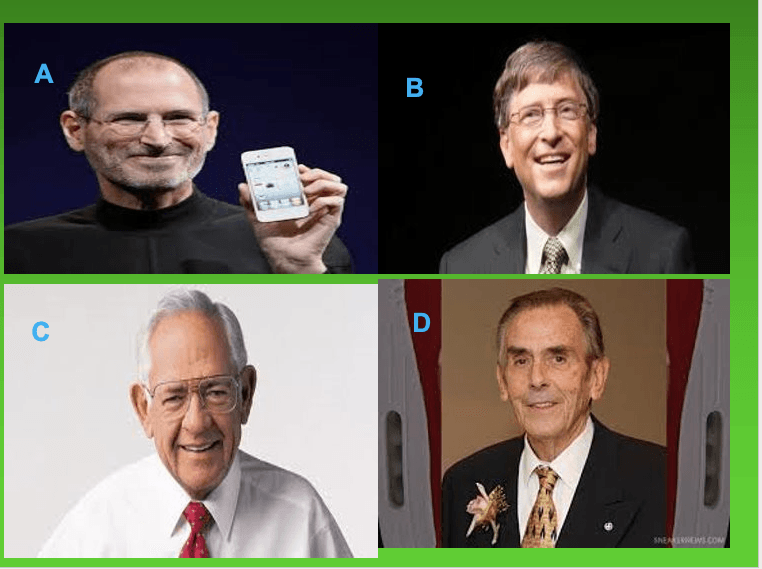
Steve Jobs the founder of Apple is holding up an I-phone. What is another name for someone who starts a business?
capital
entrepreneur
land
labor


Assembly line worker
Land
Labor
Physical capital
Human capital
Entrepreneuership
A Pizza Oven is an example of...
Natural Resources
Human Resources
Capital Resources
Entrepreneurship
which sector of the economy removes or harvest products directly from the earth in order to extract raw materials or food?
secondary
primary
tertiary
linear
agriculture would be an example of
secondary sector
tertiary sector
primary sector
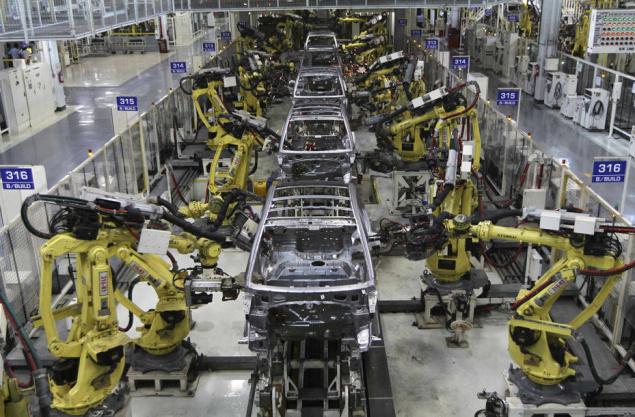

This image represents which economic sector?
Primary Sector
Quinary Sector
Secondary Sector
Tertiary Sector
Making soaps, carpets, sugar, etc is an example of _________ industry
primary / extractive
secondary / manufacturing
tertiary

the state of being in short supply
quantity
subsistence
scarcity
quota

The percentage of a country's population over the age of 15 that can read or write
reading number
literacy rate
standard of living
entrepreneurship

A person who comes up with a product or service, or a better way to produce one.
entrepreneur
human capital
capital good
natural resource
Land includes...
The "gifts of nature" or natural resources not created by human effort.
the tools, equipment, and factories used in production of goods and services
people with all their efforts and abilities
individuals who start a new business or bring a product to market.
Capital refers to...
The "gifts of nature" or natural resources not created by human effort.
people with all their efforts and abilities
the tools, equipment, and factories used in production of goods and services
individuals who start a new business or bring a product to market.
Labor refers to...
people with all their efforts and abilities
individuals who start a new business or bring a product to market.
the tools, equipment, and factories used in production of goods and services.
The "gifts of nature" or natural resources not created by human effort.

Which of the following is the average age a person lives to in a place?
GNI per capita
adult literacy rate
life expectancy
LEDC
What is the infant mortality rate?
babies under 1 year old who die per 1000
children under 5 years old who die per 100
babies under 1 year old who die per 100
children under 5 years old who die per 1000
The study of the way people live, their food, language, clothing, customs, art, etc. is...
Culture
History
Economics
Geography

Which of these is a defintion of the tertiary sector?
Making or building things
Science, technology and inovation
People taking things from the land/sea (raw materials)
Providing a service
Government owns most of the assets and provides all the services:
Public Sector
Private Sector

GDP stands for
Grand Developed Prices
Gross Developed Product
Gross Domestic Product
Grand Domestic Prices


a
b
c
d

Countries with low level of literacy are in which level of economic development?
More Developed
Newly Industrialized
Less Developed

Countries with high levels of literacy and higher education are in which level of economic development?
More Developed
Newly Industrialized
Less Developed


Low Infant Mortality Rate
Developed
Developing

High Infant Mortality Rate
Developed
Developing

High Literacy Rate
Developed
Developing

Low Literacy Rate
Developed
Developing
Roads, airports, hopitals and schools are examples of ______________________.
literacy rates
GDP
infrastructure

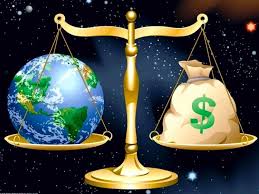

Cattle ranching and farming are examples of which industry?
Manufacturing
Service
Retail
Agricultural

What is a tariff?
a refusal to buy goods from another country
a limit on the number of imports
a tax on imports
a refusal to sell to another country
__________ is an example of a planned/command economy.
Capitalism
Traditional
Uniited States of America
Communism

Lisa started a small business selling t-shirts. She used her home as the place to start the business. She purchased the shirts from a company in Haiti. After selling a large amount of t-shirts, Lisa hired her cousins to help package and ship the t-shirts to customers.
In this scenario, Lisa would be an example of a(n) ________________.
Entrepreneur
Natural Resource
Human Capital
Physical Capital

