
 Worksheets
Review · Mid-Unit Quiz (2.4, 2.5, 3.1, 3.2) · ESS
Total questions: 24
Worksheet time: 28mins
An experiment to measure primary productivity is the
Simpson's Diversity Index
Light and Dark bottle technique
Mesocosm
Measuring the difference between food consumed and feces produced
All of these are techniques to catch terrestrial insects for sampling, except
Pitfall traps
Sweep nets
Kick sampling
Tree beating
All of these are abiotic factors of terrestrial ecosystems except
slope
light intensity
mineral content
turbidity
All of these are abiotic factors of freshwater ecosystems except
wind speed
turbidity
flow velocity
pH
Which of these are abiotic factors measurable in marine ecosystems ?
salinity
temperature
light intensity
dissolved oxygen
Species diversity is
the number of species in a community
the number of species in a community
the function of the diversity of species
the function of the number of species and their relative abundance
Species richness is
the number of species in a population
the number of species in a community
the function of the number of species and their relative abundance
the frequency of the number of species
An example of an indirect method for estimating the abundance of motile organisms is
keys
quadrats
capture-mark-release-recapture (lincoln index)
sampling
Methods for estimating the abundance of non-motile organisms include all, except
the use of quadrats for making actual counts
measuring population density
lincoln index
percentage cover or frequency
Measurements should be repeated to
provide more data
increase validity of data
increase amount of data
increase reliability of data
Suitable sampling techniques include _____, except
random in a uniform environment
systematic in a uniform environment
systematic in a random environment
transects over an environmental gradient

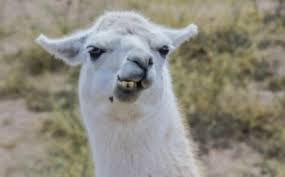
Environmental factors do affect genetic diversity
True
False
The variety of genes and alleles that exist in population.
habitat diversity
chromosomal abnormalities
genetic diversity
mutations
Causes of mass extinctions prior to the Holocene include -
Climate change
Ocean acidification
Human impact
Asteroid/meteor collision with Earth
___ are the first organisms to colonize an area and begin the process of ecological succession.
foundational organisms
introductory organisms
primary organisms
pioneer species
What is an example of an area that is likely to undergo primary succession?
Glaciers melt and leave exposed rock
Plants die from drought and decompose
Land is bulldozed and soil remains
Volcanic eruptions increase the solid land area of an island
Which is faster: Primary or Secondary Succession?
Primary Succession
Secondary Succession
Both Take The Same Amount of Time
T or F: Succession increases biodiversity.
True
False
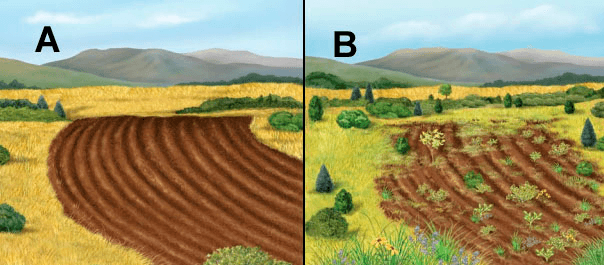
Select methods for measuring the abundance of plant species in a park.
do transect based sampling to collect data
select sampling sites using random sampling method
calculate abundance as % cover using quadrats
count and identify species to calculate the Simpson's Index

This table represents an evaluation of ________ sampling strategy.
Random
Systematic
Stratified

