
 Worksheets
Science Mid Term Plants
Total questions: 59
Worksheet time: 1hrs 29mins

What is letter A?
Ovary
Stamen
Pistil
Ovule

What is letter B?
Anther
Ovule
Ovary
Sepal

What is letter C
Stigma
Pistil
Stamen
Style

What is letter D?
Filament
Stamen
Stigma
Sepal

What is letter E?
Sepal
Pistil
ovule
Stamen

What is letter F?
Style
Anther
Pistil
Stamen

What is letter G?
Stamen
Filament
Petal
sepal

What is letter H?
Stamen
Petal
Filament
Sepal

What is letter I?
Sepal
Stamen
Style
Stigma

What is letter J?
Pistil
Petal
Anther
stamen

What is the female system?
Pistil
Stamen

What is the male part of A flower?
Pistil
stamen
Which part of the male plant produces the pollen?
the filament
the anther
the stigma
the style
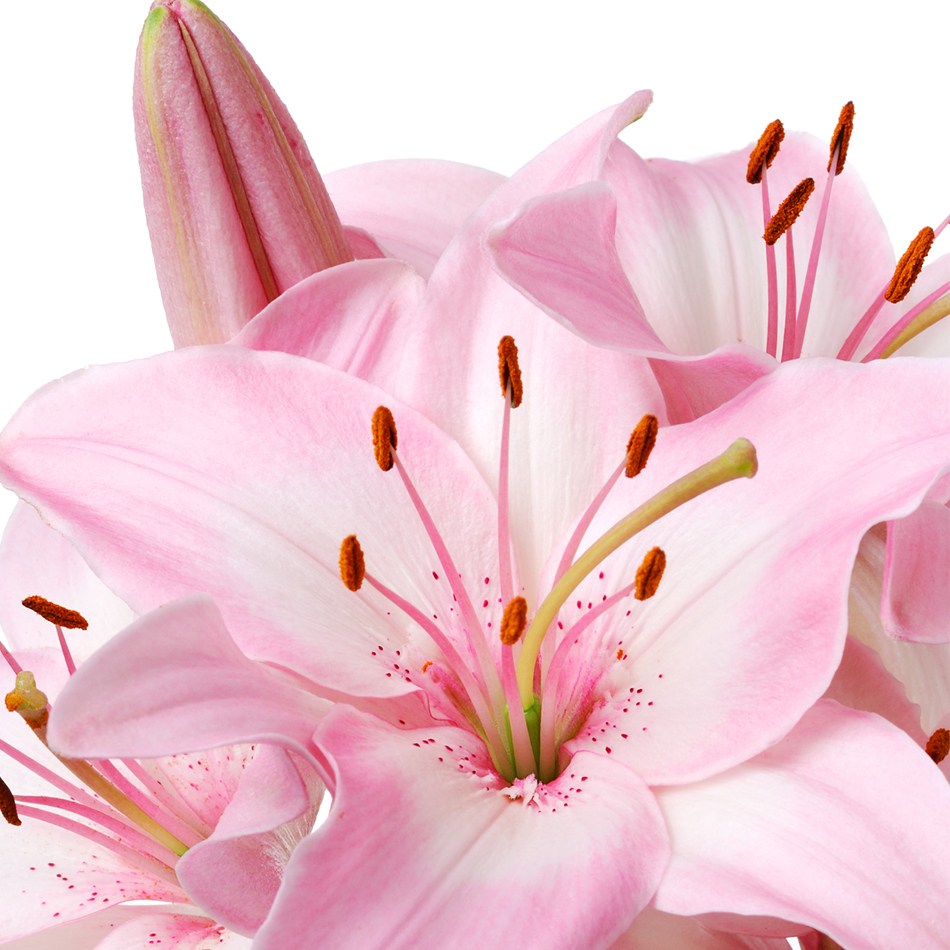
The male part of the flower is called__________.
the stamen
the petal
the style
the pistil
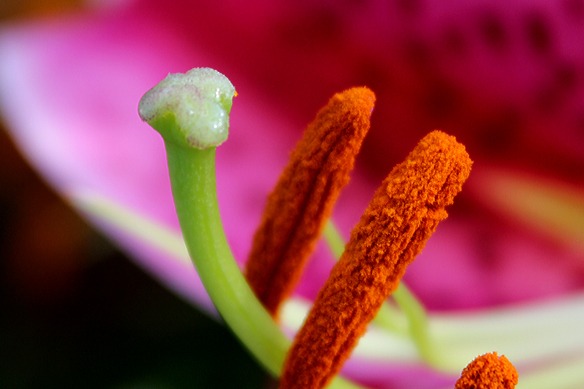
What's the name of the sticky surface at the top of the pistil that catches pollen?
the stigma
the ovules
the ovary
the filament
Insects carry pollen from one plant to another. What else carries pollen?
wind
sun
petals
roots

What pigment captures/absorbs sunlight?
stomata
chlorophyll
chloroplast
phloem

What is the tiny openings that let in the carbon dioxide needed for photosynthesis?
stomata
xylem
phloem
chloroplast

How does water travel from the roots to the plan leaf? Name the structure that carries water.
stomata
phloem
chloroplast
xylem
What are the 2 products of photosynthesis? The products are the things made in the process of photosynthesis.
water, sunlight
glucose, carbon dioxide
oxygen, glucose
sunlight, oxygen
What is the main purpose of photosynthesis?
To make food
To create energy
To release oxygen
To absorb sunlight

Which product is "waste" and mostly released by the producer (plant)?
oxygen
carbon dioxide
sugar
glucose
How does glucose travel in a producer (plant)? Name the structure.
xylem
phloem
stomata
chlorophyll

What color is chlorophyll?
Green
Blue
Red
Purple
Sunlight is the main source of energy that drives photosynthesis process.
True
False

The plants gets its nutrients from sugar, called __________.
Galactose
Fructose
Sugar
Glucose
2. What gas goes into the plant during photosynthesis?
Oxygen
Nitrogen
Carbon dioxide
Hydrogen
3. What does a plant release into the air after photosynthesis?
Carbon dioxide
Sugar
Oxygen
Energy
Which of the following is the largest and most diverse group of gymnosperms?
cycads
horestails
gnetophytes
conifers
ginkgoes
The reproductive structure of most gymnosperms is some form of a ______________________.
cone
flower
branch
stem
root
For what function are needle-like leaves of gymnosperms well adapted?
Saving sugar
Saving oxygen
Saving water
Removing wastes

What is this plant structure called?
Cone
Seed
Flower
Fruit
The joining of sperm and eggs in the female cone is called?
pollination
germination
fertilization
dispersal
What might seeds need most to grow into seedlings?
Sunlight and rocks
Water and shade
Shade and flat land
Sunlight and water
The two types of vascular tissue in plants are _____________ and _________________?
bark, wood
ground, dermal
roots, stem
phloem, xylem
Which is an example of a conifer?
Cedar tree
Pine tree
Spruce tree
Fir tree
All of these are conifers
Conifers are called conifers because they produce _______________ ?
flowers
cones
cons
fruit
Name 2 types of seed plants.
angiosperms and gymnosperms
mosses and liverworts
roses and mosses
liverworts and apple trees
A flower producing vascular plant in which the seed is enclosed in a fruit.
Conifer
Gymnosperm
Angiosperm
Fern
Plants have the ability to ___________.
move about
make their own food
not take in water, food, and nutrients.
learn
What is an evergreen?
stays green all year long
loses its leaves in the fall
is never green
can move around
Ferns are plants that grow from ___________.
seeds
stems
spores
flowers
An ___________ is any plant that makes a flower.
gymnosperm
angiosperm
moss
apple tree
Name three characteristics of angiosperms.
has seeds covered with fruit, produces flowers, flat or broad leaves
has cones, no flowers, needle-like leaves
no fruit, naked seeds, evergreen
flowers, cones, needle-like leaves


Name the part of the leaf labelled number 2.
stalk
midrib
veins
blade

Name the part of the leaf labelled number 4.
blade
midrib
stalk
veins


