
 Worksheets
Module 2 Review Geologic Time & Evolution
Total questions: 37
Worksheet time: 40mins
When the last individual of a species dies, that species is considered ____
adapted
rare
extinct
evolved
Change in a population over time is called _____.
conservation
evolution
extinction
mutation
What is the geologic time scale?
All the fossils ever discovered on Earth
a chart that divides Earth’s history into different time units.
when the last individual organism of a species dies
fossils that have characteristics of both ancestral organisms and organisms that evolved
What are Transitional Fossils?
All the fossils ever discovered on Earth
a chart that divides Earth’s history into different time units.
when the last individual organism of a species dies
fossils that have characteristics of both ancestral organisms and organisms that evolved
Asteroid impacts and volcanic eruptions are examples of what type of environmental changes?
Sudden Changes
Gradual Changes
Mountain range or an ocean separating a species, or sea level changing are examples of what type of environmental changes?
Sudden Changes
Gradual Changes

What can scientists use to explain when the fossils in the bottom of the figure appeared on Earth?
relative-age dating
trace fossils
mineralization
carbonization
Which is an example of a sudden change that could explain the extinction of a species?
a mountain range isolates a spices
Earth’s tectonic plates move
sea level changes
a volcano erupts
What is a transitional species? select all that apply
A species that migrates a lot
A species that shows how organisms changed over time
A species that existed for a very long time
A species that shows the intermediate (middle) state between an ancestor and a known descendant.

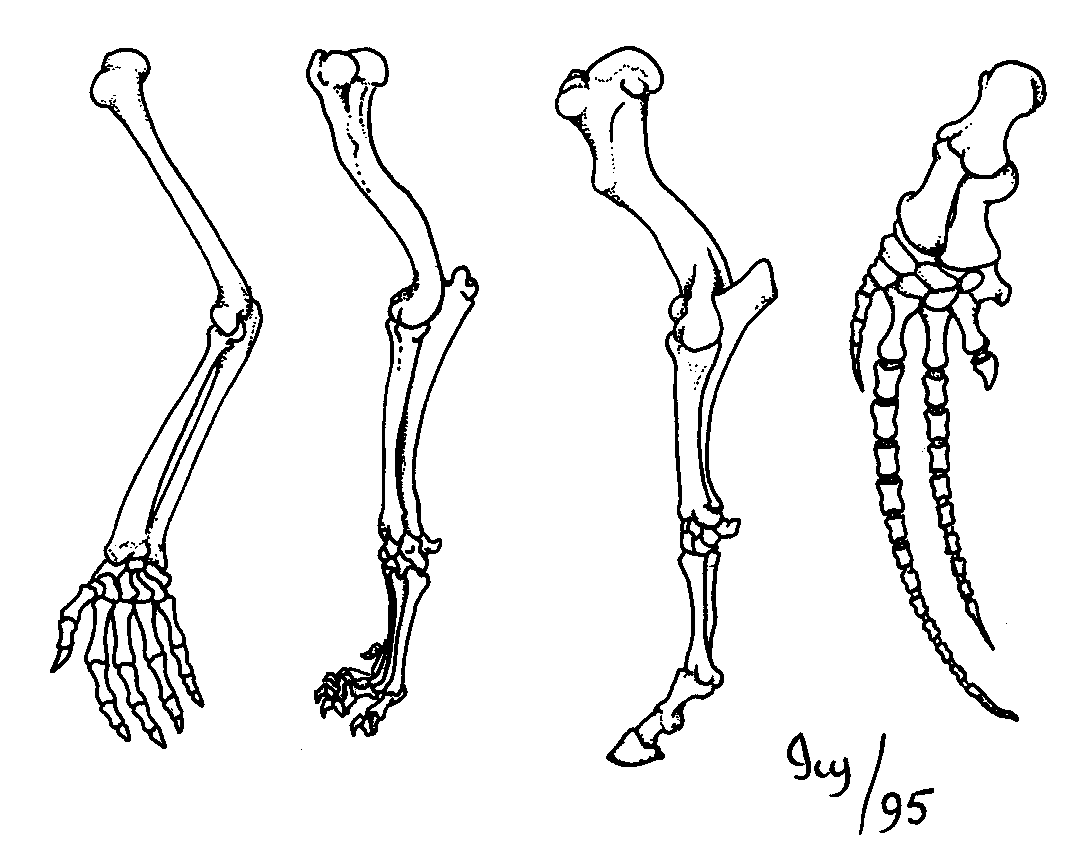


If modern organisms have a lot of homologous structures, what inference might scientists make about those organisms?

Which of the following can be determined by observing the embryos shown in the diagram
Similar structures with different purposes found in different species are known as _____
vestigial structures
DNA
homologous structures
the fossil record

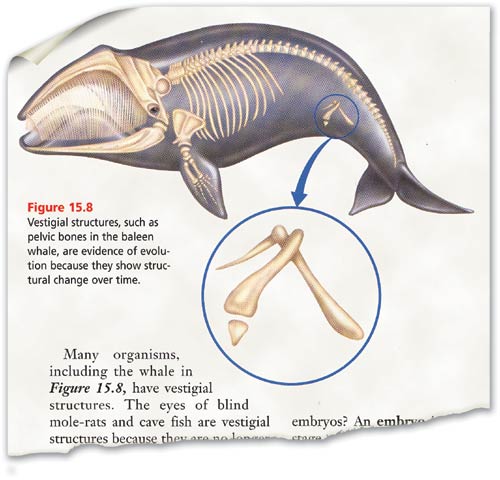
The picture shows a/an ___________
homologous structure
vestigial structure
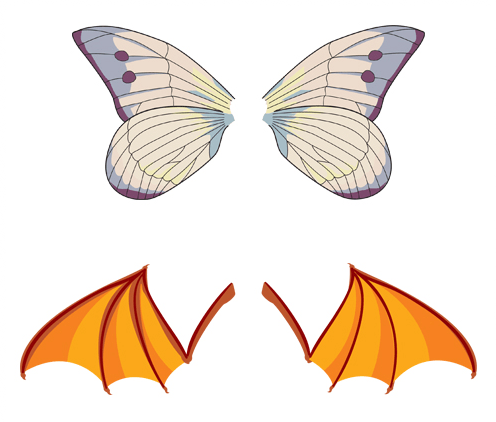
What is this an example of?
Homologous structure
Analogous structure
Vestigial organs
Functional adaption

Similarities in bone arrangements, like those in the picture, support the hypothesis that...
these organisms are not well adapted
these organisms share a common ancestor
these organisms all share the same DNA sequences
these organisms are members of the same species
These fossils represent species that existed on Earth for a short length of time, were abundant, and inhabited many locations.
Key beds
Index fossils
Correlation
Unconformity
Rocks or sediment layers that are used as a marker to correlate rock layers.
Key beds
Index fossils
Correlation
Uniformitarianism

Which of the 4 fossils is the best index fossil?
A
B
C
D
The preserved remains or evidence of ancient living thigns.
Fossils
Mass extinction
Superposition
Faults
The sudden disappearances in the fossil record of many types of organisms.
Fossils
Mass exinction
Correlation
Unconformity

What can you infer about the age of the fossils?
Trilobites lived after gastropods
Ammonites lived before trilobites
Ferns lived before coral
Ammonites lived after trilobites

Why do trilobites disappear from the rock sequence?
They were eaten by dinosaurs
Extinction
Erosion
Large earthquake
Principle that in undisturbed rock layers, the oldest rocks are on the bottom.
Superposition
Uniformitarianism
Lateral continuity
Original horizontality

In which strata did a mass extinction event occur?
3
5
8
9

Which layer contains the oldest fossil?
Layer 1
Layer 2
Layer 3
Layer 4

Organisms D and C clearly lived in an aquatic (water) environment. Organism A does not look like it lived in the water. What is the most likely explanation for this?
The fossil in layer A died on land and was carried to the water
The fossils in layer C and D did not live in the same location as the fossil in layer A
The environment changed over a long period of time. It used to be under water, but is not anymore

What is a likely event that occurred between fossil layers B and D?
explosion of new species
mass extinction
can not tell from the image
small changes to the environment

Starting at layer H (at the bottom) what pattern do you notice as you move up towards layer B
organisms become more complex
random arrangement of organisms
organisms go from water only to land only
organisms become more simple

The evolution of the horse is the most complete fossil record we have of a single organism. Using the picture, what can you conclude happened to the horse over time?
The horse grew larger and lost its toes
The horse shrank and lost its toes
The horse grew larger and gained toes
The horse shrank and gained toes

