
 Worksheets
Photosynthesis
Total questions: 40
Worksheet time: 24mins

What is the tiny openings that let in the carbon dioxide needed for photosynthesis?
stomata
xylem
phloem
chloroplast
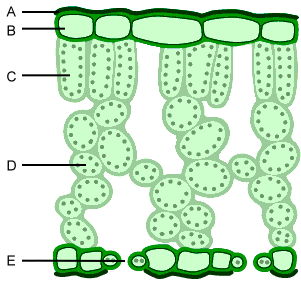
What is letter "A" pointing to?
cuticle
upper epidermis
lower epidermis
palisade mesophyll
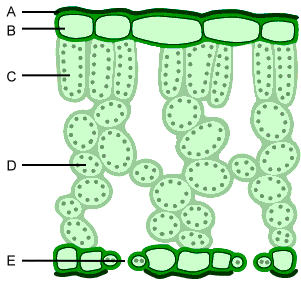
What is letter "D" pointing to?
upper epidermis
palisade mesophyll
spongy mesophyll
bundle sheath
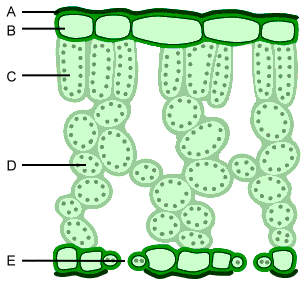
Which of the following is pointing to the "guard cell"?
B
C
D
E
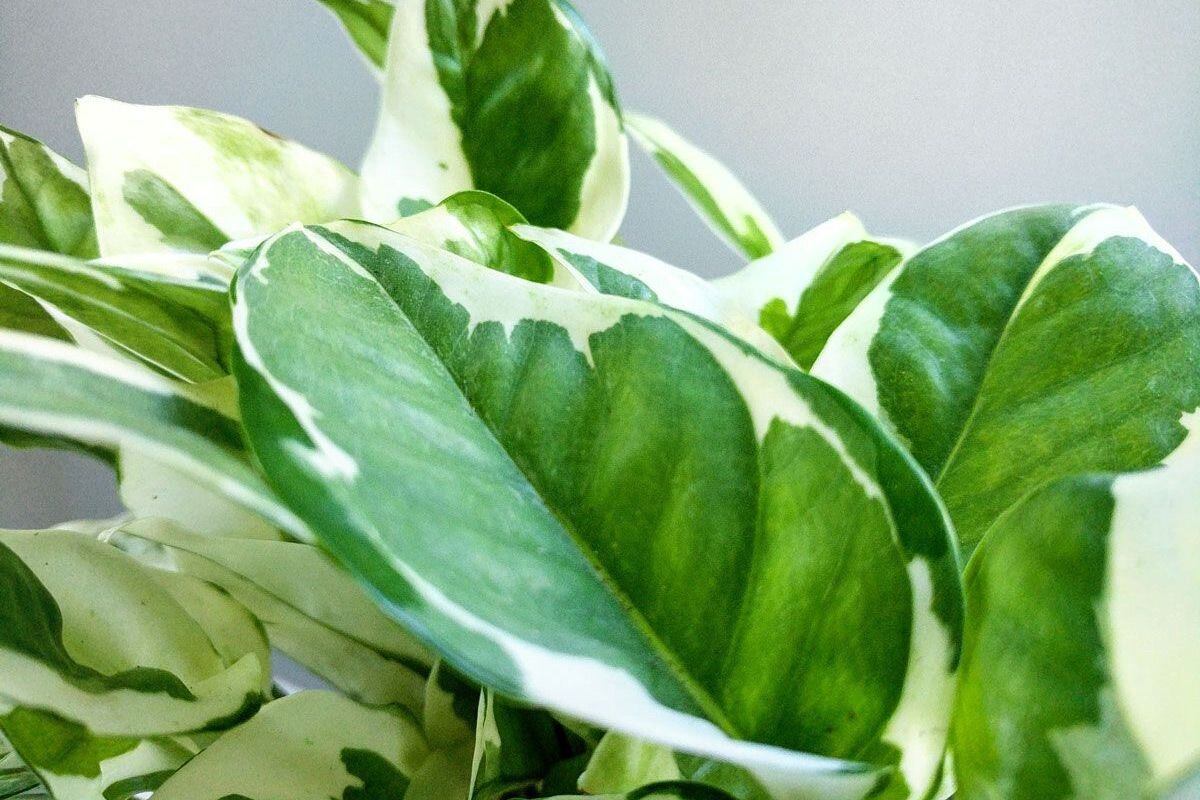
What is a variegated leaf?
One that has chlorophyll in some bits and not in others
A random leaf
A leaf that has chlorophyll in all parts of it
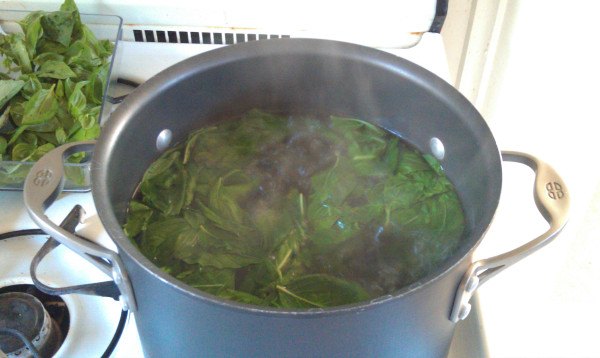
Why do we boil the leaf?
To keep it warm
To denature the enzymes and so stop photosynthesis
To make photosynthesis go faster
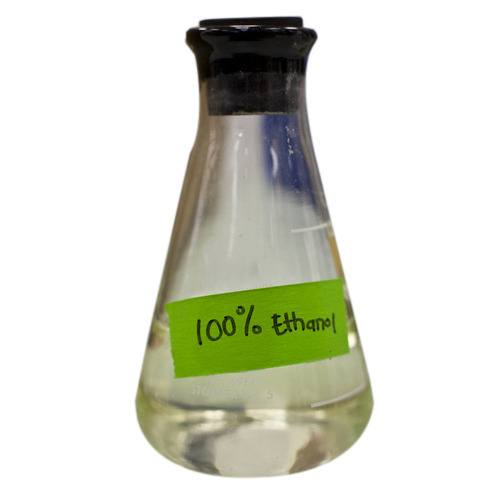
Why do we turn off the bunsen flame before adding ethanol?
Not sure
To save on gas
Because ethanol is extremely flammable
What is chlorophyll soluble in?
Ethanol
Water
Don't Know
To show that photosynthesis has occurred we test for starch. Why?
Starch is a product of photosynthesis
Not sure
Glucose is a product of photosynthesis and is stored in the plant cells as starch
If starch is present in the leaf, the leaf should turn what colour?
Blue/Black
Orange
Red
What do we use to test for starch?
Fluorine solution
Chlorine solution
Iodine solution
The chemical formula for glucose is
CO2
C6H12O6
C6H6O6
C6H6O12
Which of these is the correct equation for photosynthesis?
6O2 + C6H12O6 --> 6CO2 + 6H2O
6O2 + 6CO2 --> C6H12O6 + 6H2O
6CO2 + 6H2O --> 6O2 + C6H12O6
6CO2 + 6H2O --> O2 + C6H12O6
b. boil leaf in water
c. boil leaf in alcohol
d. rinse leaf in water
The correct sequence used to test a leaf for starch from the steps above is:

Which of the following best summarizes photosynthesis?
An adaptation of plants that allows them to add nutrients to the soil
A chemical reaction involving nitrogen and other atmospheric gases
A process by which plants produce sugar using the energy of sunlight
An exchange of gases between animals and the air or water of their habitat
When testing a leaf for starch why is it necessary to boil it in ethanol first?
To break open the plant cells
To release the starch form the cells
To kill the plant cells
To remove the green chlorophyll from the leaf
The following are the steps in the starch test for a leaf. Which one lists the steps in order, from beginning to end?
Dip in hot water, boil in ethanol, place on white tile, then add iodine solution
Add iodine solution, place on white tile, boil in ethanot then dip in hot water
Dip in hot water, place on white tile, add iodine solution then boil in ethanol
Boil in ethanol, dip in hot water, add iodine solution then place on white tile
During the Leaf Starch Test, the Bunsen burner must be turned off once the water heated because
The leaf will over cook
All the water will evaporate
Iodine is flammable
Ethanol is highly flammable

What do plants take in through their ROOTS to make food (or carry out photosynthesis)?
Carbon Dioxide
Water
Light

What do plants take in through the STOMATA, which are found in the leaves, for photosynthesis?
Carbon Dioxide
Oxygen
Light

Why is leaf Y not able to make food?
The leaf could not receive light.
The leaf could not receive water.
The leaf could not receive carbon dioxide.
Why is leaf Z not able to make food?
The leaf could not receive light.
The leaf could not receive water.
The leaf could not receive carbon dioxide.

Both plants were watered daily. Which plant will be able to photosynthesize?
Plant A only
Plant B only
Plant A and Plant B
What part of a plant is adapted for photosynthesis?
Flowers
Roots
Stem
Leaves

