
 Worksheets
Scientific Revolution
Total questions: 54
Worksheet time: 31mins


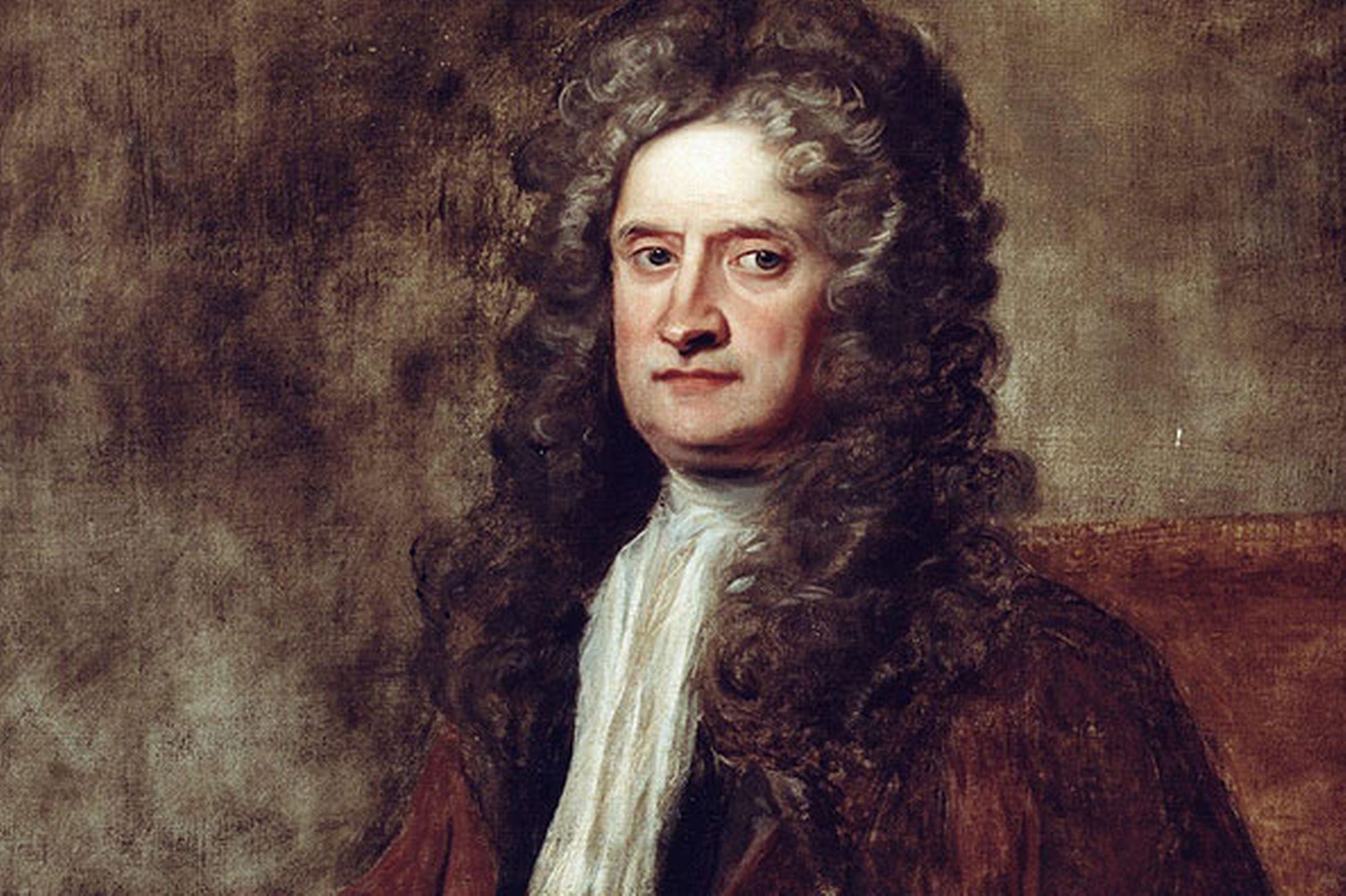

[p1] How did Medieval "natural philosophers" gain their scientific knowledge?
They relied on ancient writers, especially Aristotle.
They made observations of nature.
They used their imaginations.
They relied on the Bible & the teachings of the Catholic Church.
Which of the following used animal dissection to develop his ideas of human anatomy?
Galen
Hippocrates
Plato
Aristotle
Leonardo DiVinci
Who published the book On the Fabric of the Human Body and had detailed observation of organs and the structure of the human body? He is also noted for robbing cemeteries for bodies.
Galen
Andreas Vesalius
Plato
Aristotle
Leonardo DiVinci
Who was the person who studied the heart and said that the same blood flows through the human body and makes a complete circuit due the heart?
William Harvey
Andreas Vesalius
Robert Boyle
Antoine Lavoisier
Who developed the system for naming elements and is considered the father of modern chemistry?
William Harvey
Andreas Vesalius
Robert Boyle
Antoine Lavoisier
Who was a pioneer in controlled experiments
and studied the properties of gasses?
William Harvey
Andreas Vesalius
Robert Boyle
Antoine Lavoisier
Which of the following means a rejection of religion as the only source of knowledge about the universe?
secularism
rationalism
empiricism
revolution
Which of the following was an English philosopher who railed against the constraints that restricted women's lives?
Margret Cavendish
Anne Conway
Marie Paulze Lavoisier
Mary Somerville
Which of the following was a Scottish woman who is credited being the Queen of the Sciences?
Margret Cavendish
Anne Conway
Marie Paulze Lavoisier
Mary Somerville
Which of the following was a German astronomer who was the first woman to discover a comet?
Margret Cavendish
Anne Conway
Marie Paulze Lavoisier
Caroline Herschel
Which of the following was a French woman who is credited with translating and illustrating her husbands work?
Margret Cavendish
Anne Conway
Marie Paulze Lavoisier
Caroline Herschel
Which of the following was a Naturalist and scientific illustrator who carried out South American field studies in her 50s?
Maria Sibylla Merian
Mary Somerville
Marie Paulze Lavoisier
Marie Cavendish
According to Ptolemy, which of the following was NOT one of the four major elements?
molecules
Air
Water
Earth
Fire
Many of the early chemists were trying to turn metal into gold. This is called _____________________________.
alchemy
chemistry
rationalism
reasoning
Which of the following people believed in the separation of mind and matter?
Rene Descartes
Thomas Hobbes
John Locke
Voltaire
Which of the following stated, "I think, therefore I am"?
Rene Descartes
John Locke
Thomas Hobbes
Voltaire
Who was considered the Father of Rationalism?
Rene Descartes
John Locke
Thomas Hobbes
Voltaire
Which of the following was an 18th century philosophical movement based on the use of reason, discoveries of the Scientific Method, and purpose was to reexamine all aspects of life and society in order to create a better world?
Enlightenment
Protestant Reformation
Edict of Nantes
Glorious Revolution
Which philosophe believed in tabula rasa and that people become who they are through their experiences?
Rene Descartes
John Locke
Thomas Hobbes
Voltaire
Which one of the following is not a "natural right"?
right to bear arms
right to life
right to liberty
right to own property
What is the nickname given to the intellectuals of the Enlightenment?
Philosophe
Protestant
Economist
Enlightened Despot
Which of the following believed that the government should have a system of checks and balances to prevent any one branch or person from gaining too much power?
Baron de Montesquieu
Voltaire
Denis Diderot
Cesare Beccaria
Which of the following believed that the government should be divided into three branches? The executive, legislative and the judicial.
Baron de Montesquieu
Voltaire
Denis Diderot
Cesare Beccaria
Which of the following is the purpose of the executive branch of the government?
To enforce the laws
to make the laws
to interpret the laws
to enforce, make and interpret the laws.
Which of the following is the purpose of the legislative branch of the government?
To enforce the laws
to make the laws
to interpret the laws
to enforce, make and interpret the laws.
Which of the following is the purpose of the judical branch of the government?
To enforce the laws
to make the laws
to interpret the laws
to enforce, make, and interpret the laws.
In the United States, which of the following branches is the President?
Executive
Legislative
Judicial
Attorney General
In the United States, which of the following branches is Congress?
Executive
Legislative
Supreme Court
Attorney General
In the United States, which of the following branches is the Supreme Court?
Executive
Legislative
Judicial
Attorney General
Which of the following believed that all people are created equal and freedom of speech?
Baron de Montesquieu
Voltaire
Denis Diderot
Cesare Beccaria
Which of the following believed that the universe is a big clock? God created it, set it motion, and allows the universe to run without influence?
Baron de Montesquieu
Voltaire
Denis Diderot
Cesare Beccaria
Which of the following is atheological/philosophical position that combines the rejection of revelation and authority as a source of religious knowledge, with the conclusion that reason and observation of the natural world are sufficient to determine the existence of a single creator of the universe.
deism
atheism
agnosticism
Enlightenment
Which wrote the Treatise on Toleration?
Baron de Montesquieu
Voltaire
Denis Diderot
Cesare Beccaria
Which wrote the Spirit of the Laws?
Baron de Montesquieu
Voltaire
Denis Diderot
Cesare Beccaria
Which was credited with saying, "I may not agree with what you say, but I will defend with my life, your right to say it?"
Baron de Montesquieu
Voltaire
Denis Diderot
Cesare Beccaria
Which of the following wrote the Encyclopedia and goal was to "change the general way of thinking"?
Baron de Montesquieu
Voltaire
Denis Diderot
Cesare Beccaria
What do you call the group of people who were dedicated to discovering the natural economic laws governing society?
physiocrats
philosophes
pretoestants
deists
Which of the following was considered the "Father of Modern Economics"?
Adam Smith
Baron de Montesquieu
Cesare Beccaria
Jean Jacques Rousseau
Which of the following believed that the punishment should fit the crime and should not be excessive?
Adam Smith
Baron de Montesquieu
Cesare Beccaria
Jean Jacques Rousseau
Which of the following wrote the Social Contract in 1762?
Adam Smith
Baron de Montesquieu
Cesare Beccaria
Jean Jacques Rousseau
Which of the following means what is best for the whole of society?
Protestantism
Sociology
Punishment
General Will
Which of the following wrote A Vindication of the Rights of Women in 1792?
Adam Smith
Baron de Montesquieu
Cesare Beccaria
Mary Wollstonecraft
Which of the following were Elegant drawing rooms of the wealthy elite where guests gathered to discuss the new ideas & works of the philosophes?
Salons
chambers
laboratories
offices

