
 Worksheets
W.H(U6) Unit World War I Game #2 -- 6.1 - 6.2
Total questions: 25
Worksheet time: 52mins

Social Darwinism was a philosophy derived from Darwin's original theory of evolution via the mechanism of natural selection. Which of the following best describes Social Darwinism?
Notion that evolutionarily inspired components of human psychology should be applied to human societies, like the love of a mother for her offspring, familial loyalty, and helping others within your 'tribe' (society)
Notion that nature is inherently cruel, therefore human societies should combat this by spending tax money on social welfare programs designed to help the poor
Notion that nature is inherently kind in the ways that animals (including humans) interact, and therefore society should be left alone to run its course
Notion that 'survival of the fittest' should be applied to human societies, therefore 'stronger' or 'more evolved' societies had the right to conquer or exterminate 'weaker' or 'less evolved'

This country was nicknamed the 'jewel of the empire' by the British because it was responsible for such a large portion of the wealth extracted by the British Empire...
India
Japan
Philippines
China

This traded commodity led to a series of wars between Great Britain and China in the 1800's, with the end result being Great Britain forcing open Chinese markets to trade.
Alcohol, particularly hard liquor/spirits
Opium
Cocaine
Marijuana
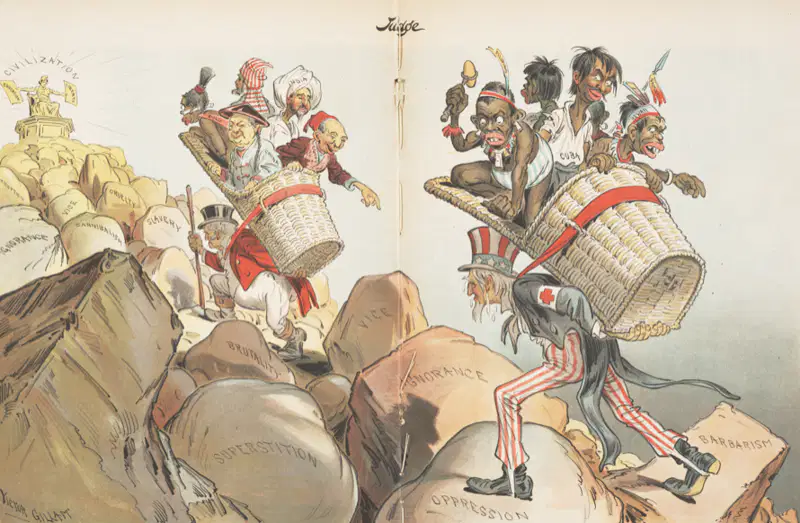
superior to other cultures
misunderstood by Americans
the oldest culture in the world
a replica of Ancient Greek culture
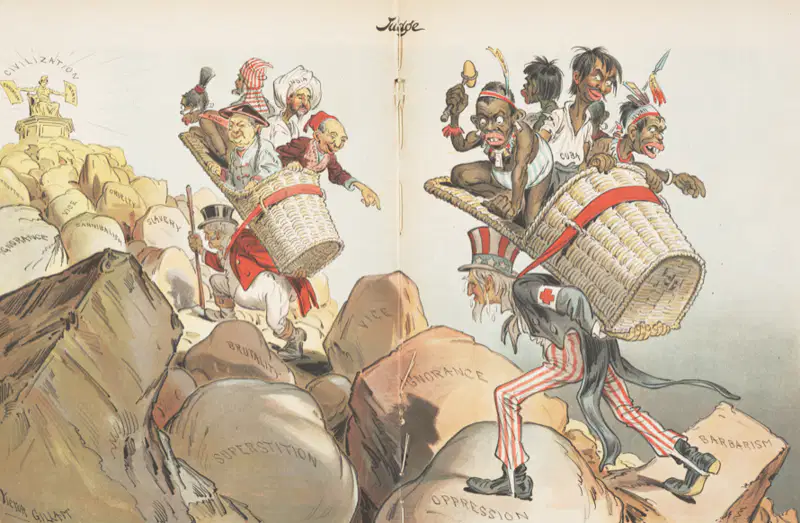
Some Europeans/Westerners feeling of duty to Christianize and civilize foreign colonies...
White Man's Burden
Sepoy Rebellion
Zulu War
Meiji Restoration
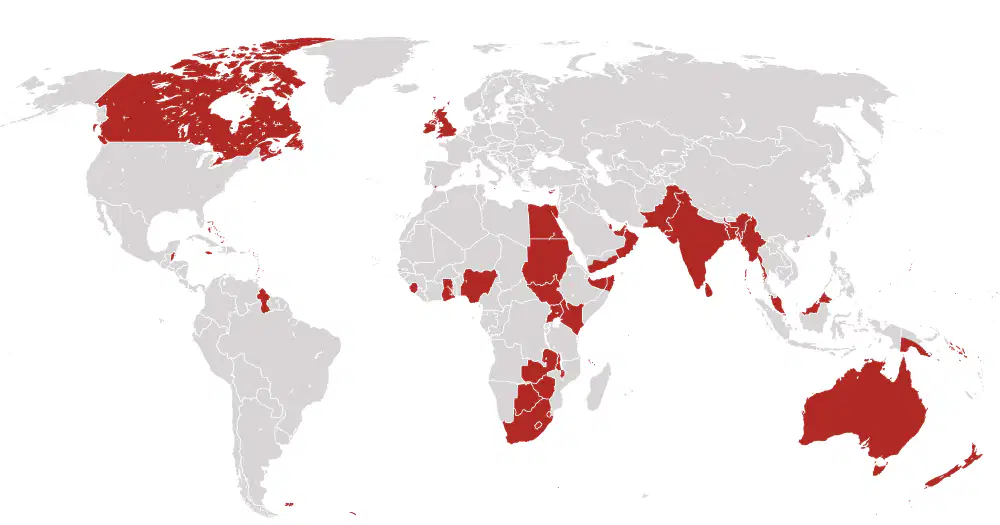
A group of countries under a single authority is known as
empire
colony
"mother country
alliance
How were European nations able to dominate Africa and Asia? they had the advantage of...
industrialized
socialist
communist
all of these are tru
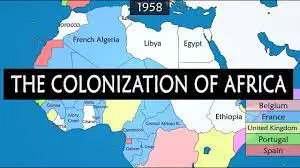
The Berlin Conference split up ________ among European nations.
Africa
Asia
Australia
South America

Great Britain and France
Germany and Italy
France and Italy
Germany and Great Britain

Which of the following was NOT a political motivation for imperialism?
national pride
medical research
prestige
security

What was the result of various rebellions by colonized peoples including the Boxer Rebellion (China), the Sepoy Rebellion (India), and Zulu War (Africa) had in common
Europeans emerged victorious thanks to superior technology
Indigenous people defeated Europeans
Europeans were defeated thanks to inferior technology
Imperialism was limited due to these actions
Which of the following BEST describes what Marx predicted for the future?
The poor would all be killed by the rich
The poor would realize that they had no power
The workers would rise up and overthrow the Capitalist system
education and personal development would bring about a peaceful transformation
What was originally the central idea of Communism?
free communication for everyone
communal ownership of means of production
all factories and land would be destroyed
oppression of the rich by the poor
According to Marxian theory revolutions come in the society because:
A. The capitalists so desire
B. The religious people manipulate that
C. Continuous class struggle is going on
D. Educated masses get dissatisfied
According to Karl Marx societies have all along been divided between:
A. The rich and the poor
B. The educated and the elite
C. The religious and the educated people
D. The rich and the religious people

Two characters getting along.
A struggle between two opposing forces.
The climax in a story.
Part of the resolution.
What year did the Great War start?
2014
2224
1914
1814
Who are the Allied Powers?
Britain
France
Italy
Russia
USA
Germany
Austria-Hungary
Ottoman Empire
Sweden
Norway
Finland
North Pole
South Pole
Antartica
What year did the United States enter the war?
1817
1917
2017
What kind of warfare was WWI known for?
Arrows
Subs
Trench
Plane
In the beginning of the war, US was (a)
Agressive or Neutal?
What were people doing at home to help the allied countries?
Food Rationing
Making Weapons
Enlisting
All three
What country took the blame for WWI?
United States
Japan
France
Germany
The __________________ was focused on punishing Germany which led to the rise of Hitler and the start of WWII
Treaty of Versailles
Imperial Contract
Alliance Agreement
A state of extreme, aggressive military preparedness
Alliances
Imperialism
Militarism
Nationalism

