
 Worksheets
KS3 SCIENCE: CIRCULATORY SYSTEM
Total questions: 80
Worksheet time: 42mins
Delivers oxygen to your body cells. Made in bone marrow.
white blood cell
red blood cell
respiratory system
lungs
Fights disease and infection. Made by the lymphatic system.
white blood cells
red blood cells
circulatory system
blood
This organ pumps blood through your body.
heart
artery
vein
capillaries
These blood vessels take oxygenated blood to the body cells.
heart
artery
vein
capillary
These blood vessels carry deoxygenated blood to the lungs.
heart
capillaries
veins
arteries
Small blood vessels that diffuse oxygen, carbon dioxide, and nutrients.
heart
arteries
veins
capillaries
The system that makes red blood cells.
nervous
circulatory
respiratory
skeletal
The system that delivers oxygen and gets rid of carbon dioxide.
respiratory
skeletal
lymphatic
digestive
The system that sends electrical signals to the heart that tell it to beat.
respiratory
lymphatic
nervous
digestive
The system that breaks down food into nutrients.
lymphatic
respiratory
nervous
digestive
The system that makes white blood cells.
lymphatic
respiratory
nervous
digestive
A disease in which red blood cells are mis-shaped and clog capillaries.
leukemia
heart disease
sickle-cell anemia
hemophilia
Causes an overproduction of white blood cells that crowd the blood.
leukemia
heart disease
hemophilia
sickle-cell anemia
Cholesterol and plaque builds up on vessel walls and causes heart attack and stroke.
leukemia
heart disease
hemophilia
sickle-cell anemia
A hereditary disease where blood does not clot to stop bleeding.
hemophilia
heart disease
sickle-cell anemia
leukemia
The 3 main functions of the Circulatory System
break down food, remove waste, make blood cells
react to stimuli, grow, adapt
deliver materials, remove waste, and fight infection
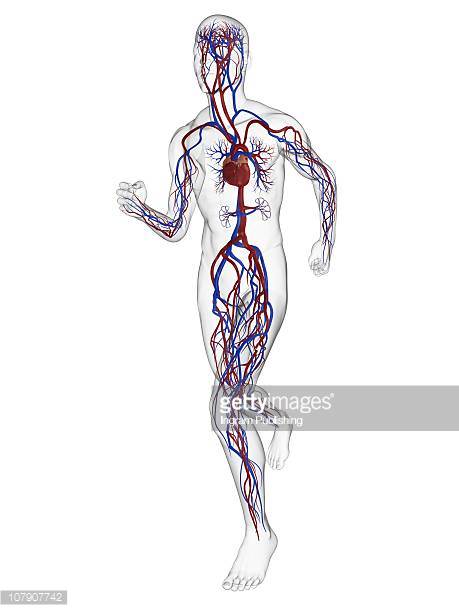
What is the main organ of the circulatory system?
small intestine
bone
lungs
heart
Veins carry oxygen poor blood back to the heart.
False
True
Arteries carry oxygen rich blood away from the heart.
True
False
The job of the heart is to . . .
pump blood around the body.
send food to the small intestines.
break down food.
give energy to the body.


Your heart is about the size of your __________.
mouth
fist
show
Blood carries ____________ to the heart.
vitamins
germs
oxygen
Your heart pumps blood throughout your entire body through little tubes called _____________.
veins
arteries
hoses
Blood is carried back to your heart in little tubes called ____________.
veins
arteries
hoses
What does circulate mean?
pump blood
beat quickly
go around and around
You can feel your heart beating when you feel your _____________.
pulse
breathing
stomach growling
Your heart is a _____________.
tube
muscle
vein
Which is NOT a way to exercise your heart?
Running
Sitting on the couch
Swimming
Which is a good way to keep your heart healthy?
Eating healthy foods
Playing video games
Eating greasy foods
Which describes all the parts of the circulatory system?
heart, lungs, stomach, muscles
heart, blood, arteries, and veins
bones, skin, hair
Which of the following is a connection between the circulatory system and the muscular system?
the heart is composed of cardiac muscle
the heart makes calcium to give to muscles
muscles create blood cells that get circulated through body
the two systems are not connected
Which of the following is NOT a function of the circulatory system?
circulate blood
regulate calcium production
carry nutrients and hormones through blood stream
deliver oxygen to tissues
How does exercise help your circulatory system?
makes bones strong
lifting weights makes skeletal muscles strong
it wont help because it will keep you up at night
heart muscle will be strong and better pump blood

Veins are blood vessels containing blood going to the heart
True
False

Arteries are blood vessels with blood flowing from the heart
True
False

In diagrams, the blue blood shows that the blood is carrying
Oxygen
Carbon dioxide

In diagrams, the red blood shows that the blood is carrying
Carbon Dioxide
Oxygen

The blood obtains the oxygen from which organ?
Brain
Lungs
Heart
Stomach

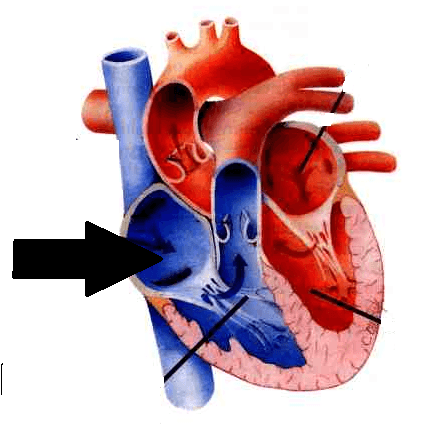
The first stop of the blood in the heart is the...
Left Ventricle
Left Atrium
Right Atrium
Right Ventricle

The purpose of the valves is to keep the blood flowing in the right direction
True
False

After the blood leaves the right atrium, it goes to the...
Right Ventricle
Right Atrium
Left Ventricle
Left Atrium

After the right ventricle, the blood goes through the pulmonary artery to...
Lungs
Heart

In the lungs, the blood gets rid of...
Oxygen
Carbon Dioxide

After the blood gets oxygen from the lungs, it goes through the pulmonary veins to the heart's....
Right Atrium
Left Ventricle
Right Ventricle
Left Atrium

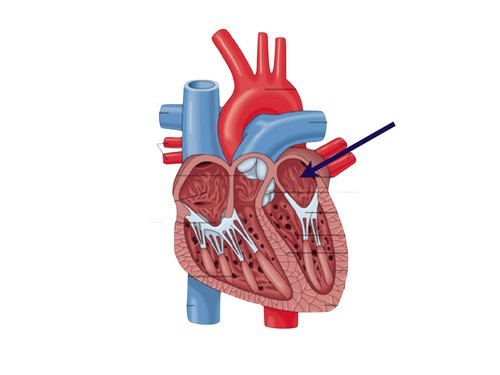
After the left atrium, the blood goes through the mitral valve to the...
Left Atrium
Left Ventricle
Right Atrium
Right Ventrical

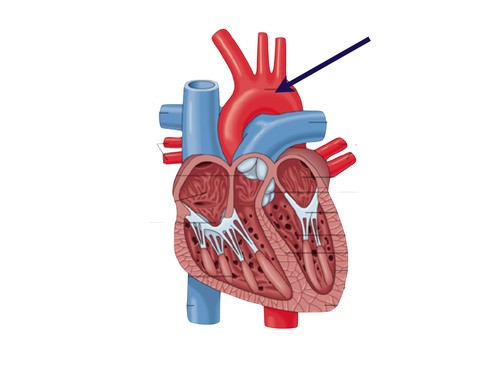
Lastly, the oxygenated blood goes through the ___________ to the rest of the body.
Aorta
Vena Cava
What do all organisms need to survive?
energy
blood
carbon dioxide
soil
The FREQUENCY of heart contractions is...
heart rate
blood pressure
respiratory rate
voluntary muscle contraction
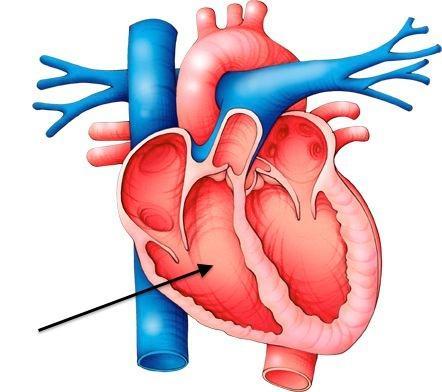
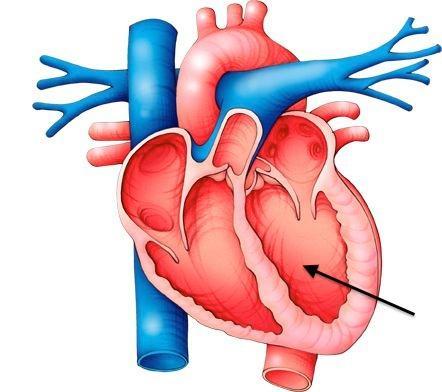
When the cardiac muscle is trained, the cardiac output will
decrease
increase
stay the same
Formed in the bone marrow, they are small cells that have important function of clotting of the blood
white blood cells
red blood cells
platelets
leukocytes
White blood cells
are mostly water and transport substances around the body
carry oxygen around the body
protect the body from disease
clot the blood
Blood is poured into the right atrium through
vena cava
Pulmonary vein
aorta
Pulmonary artery
Which of the following carries deoxygenated blood?
pulmonary vein
pulmonary artery
aorta
coronary artery

