
 Worksheets
HST: Nutrition and Diets
Total questions: 70
Worksheet time: 38mins
The key term nutrition refers to
a state of good health with optimal body function.
all body processes relating to food including digestion, absorption, metabolism, circulation, & elimination.
the state or condition of one's nutrition
a state of being caused by poor diet or illness
Hypertension refers to
a condition in which arteries are narrowed by the accumulation of fatty substances on their inner surfaces.
a condition in which bones become porous (full of tiny openings) and break easily.
a condition caused by an excess amount of fat or salt in the diet and it can lead to diseases of the heart, blood vessels, and kidneys.
a condition caused by an insufficient secretion or utilization of insulin leading to an increased level of glucose (sugar) in the blood
Atherosclerosis is a condition in which
the bones become porous (full of tiny openings) and break easily.
there is insufficient secretion or utilization of insulin.
the diet is poor and there is usually illness.
arteries are narrowed by the accumulation of fatty substances on their inner surfaces.
Select the best source of protein
Butter
Rice
Fish
Fruit
Select the best source of carbohydrate
Butter
Rice
Fish
Fruit
Select the food which has the most lipids (fats).
Butter
Rice
Fish
Fruit
Select the correct reason for drinking lots of water every day.
For energy
For hydration
For vitamins and minerals
For insulation
Select the main function of proteins.
For energy
For hydration
For vitamins and minerals
For growth and repair
Select the best definition for a balanced diet.
Eating each of the seven nutrients in the wrong amounts.
Eating each of the seven nutrients in the right amounts.
Eating each of the five nutrients in the right amounts.
Eating each of the three nutrients in the right amounts.
Select the word which means not getting enough or having too much of a nutrient.
Obesity
Diabetes
Malnutrition
Deficiency
Select the word which means a problem that happens because of malnutrition.
Obesity
Diabetes
Malnutrition
Deficiency
Select a problem linked to having too much energy in your diet.
Obesity
Diabetes
Malnutrition
Deficiency
What are the six groups of nutrients? (select all that apply) (pg 8)
electrolytes
carbohydrates , fats and oils
proteins
minerals and vitamins
water
What is the primary source of fuel for our body? (pg 10)
Fats
VItamins
Prtoeins
Carbohydrates
What supports all body functions and contains oxygen and hydrogen? (pg 12)
Vitamins
Minerals
Proteins
Water

What food group does a Potato fit into?
Fruit
Vegetable
Grain
Protein
Dairy

What food group do peanuts belong in?
Fruit
Vegetable
Protein
Grain
Dairy


This nutrient promotes HEALING in the body.
Water
Protein
Fats
Carbohydrates
Helps with digestion, removes waste and COOLS you off.
Water
Protein
Fats
Vitamins
This nutrient is your number 1 source of energy
Water
Protein
Fats
Carbohydrates
Eating too many foods with this nutrient can lead to health problems.
Water
Protein
Fat
Carbohydrates


Therapeutic diet refers to
diabetes
food allergies
the use of diet or certain foods in the treatment and
management of diseases.
a medical condition
What kind of diseases can a therapeutic diet help with ?
Cardiovascular disease, food allergies, Diabetes, Gastrointestinal diseases
Making your social circle of friends bigger
Motor Neurone Disease
Cancer
What types of therapeutic diets are there? (Select all that apply.)
Smell modifications
Nutrient modifications
Colour and size modifications
Texture modification
Food allergy or intolerance modification

What is Dysphagia
Difficulty smelling food
Difficulty swallowing food
Difficulty drinking medication
Difficulty breathing
Who may order or plan a therapeutic diet?
dietitian
pharmacist
your friend
your mom
A therapeutic diet is a meal plan that controls the intake of certain foods or nutrients as part of the treatment for a medical condition
true
false
A therapeutic diet is a meal plan that controls the intake of certain foods or nutrients as part of the treatment for a medical condition
true
false
What is the meaning of the word 'Diet'?
Healing of disease
Foods and drinks you consume regularly
A type of disease making it difficult to eat
A type of doctor
Which of the following can benefit from a therapeutic diet?
Someone with diabetes
Someone who is obese
Someone who has cardiovascular disease
All of the above
which of the following is not an example of a Nutrient modification diet
Low fat diet and/or low cholesterol diet.
High fiber diet
Protein diet
Pureed diet
Which type of therapeutic diet is used when preparing puree diet?
Nutrient modification
Texture modification
Food allergy or food intolerance modification
Additional feeding
Which type of therapeutic diet Reduces the calorie intake for people who are overweight?
Nutrient modification
low calorie diet
Food allergy or food intolerance modification
tube feeding

what type of therapeutic diet do you see in this picture?
nutrient modification
texture modification
tube feeding
A low salt diet is which type of therapeutic diet?
Nutrient modification
Texture modification
Food allergy or food intolerance modification
Additional feeding
Abu Khalid suffers from diabetes, which food he must reduce or cut down in his diet.
tea
soft drink
salty food
rice
Which of the following diets would you recommend for someone who suffers from diabetes?
High sugar
High Fat
Low Sugar
Low Salt
Someone who suffers from a cardiovascular disease should reduce what from their diet?
Fiber
Calcium
Fat
Protein
In a healthy plate method
Vegetables and fruits fill half the plate
Lean proteins fill half the plate
Whole grain carbohydrates are not there
Energy balance =
Energy input - Energy output
Energy output - Energy input
In coronary heart disease the blood vessels are blocked with
Salt
Fat
Sugar
A regular diet has restrictions.
Aha
No
Males usually require more energy than females because they
are more aggressive
lose heat more easily
are stronger
more active
Deficiency of __________ causes "Night Blindness".
Vitamin B1
Vitamin D
Vitamin A
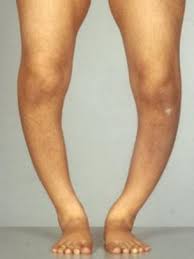
Deficiency of which nutrient leads to this disease?
Vitamin A
Vitamin D
Vitamin C
Having iodized salt regularly in your food will help in the prevention of __________.
Goiter
Anemia
Rickets
If you suffer from Anemia you should eat foods rich in _____.
Vitamin A and C
Calcium and Phosphorus
Iron and Vitamin B12
Infection and bleeding of gums can be prevented by having foods rich in ___________.
Iron
Calcium
Vitamin C
Basal Metabolic Rate (BMR) is
the process in which blood or lymph capillaries pick up the digested nutrients.
the rate at which the body uses energy just for maintaining its own tissue, without doing any voluntary work.
the process by which the body breaks down food into smaller parts, changes the food chemically, and moves the food through the digestive system.
Body Mass Index (BMI) is
the rate at which the body uses energy just for maintaining its own tissue, without doing any voluntary work.
a calculation that measures weight in relation to height and correlates this with body fat.
Overweight is
body weight that is 10-20 percent greater than the average recommended weight for a person's height, or a BMI of 25 - 29.9
body weight that is 10-15 percent less than the desired weight, or a BMI of less than 18.5.
excessive body weight 20 percent of more above the average recommended weight, or a BMI equal to or greater than 30.
Obesity is
body weight that is 10-20 percent greater than the average recommended weight for a person's height, or a BMI of 25 - 29.9
excessive body weight 20 percent of more above the average recommended weight, or a BMI equal to or greater than 30.

