
 Worksheets
Unit 3 Review
Total questions: 42
Worksheet time: 1hrs 7mins
Which of the following could NOT form an ionic compound? Check all that apply.
Li+ and Cl-
F- and O2-
Ba2+ and Ag+
Mg2+ and S2-
Which of the following could form an ionic compound? Check all that apply.
Na+ and F-
S2- and O2-
Ca2+ and Fe3+
Mg2+ and Cl-
In an ionic bond, the ions are held together because...
the positive nucleus of each ion attracts the other ion's negatively charged electrons
the ions have opposite charges
as the electron moved from one atom to another it pulled the atom along with it
electrons are being shared
Which element(s) will lose valence electrons to form an ion? Check all that apply.
Phosphorus
Iron
Barium
Neon
Which element(s) will form negative ions? Check all that apply.
Potassium
Sulfur
Iodine
Magnesium
Which of the following pairs of elements could NOT react to form an ionic compound?
Carbon and Oxygen
Potassium and Fluorine
Silver and Oxygen
Aluminum and Chlorine
Calcium Fluoride has a chemical formula of CaF2. What does the chemical formula tell you?
There are 2 Calcium ions for every 1 Fluoride ion in the crystal
There is 1 Calcium ion for every 2 Fluoride ions in the crystal
Atoms form ions because they want to have a ____ outer shell.
full
empty
colorful
half full
Ionic bonds are formed between...
Non - metals
A metal and a non-metal
Metals
How is an ionic bond formed?
Sharing of electrons
Delocalised electrons
Transfer of electrons
Select all of the statements below that are correct to describe the structure and properties of ionic compounds...
They have high melting and boiling points
They have a lattice structure
The ions are held together by intermolecular forces
They can conduct electricity when molten
They can conduct electricity when solid
Which of the below is an ionic compounds?
Ni
MgCl2
H2O
CH4
An example of an ionic compound is Sodium Chloride, which is made from Na+ and Cl- ions. Why do these ions form an ionic bond?
They have like charges
They are from the same group
They are from the same period
They have opposite charges
Lithium is in group 1 of the periodic table, which ion would it form?
Li-
Li2-
Li+
Li2+
Oxygen is in group 6 of the periodic table, which ion would it form?
O-
O+
O2-
O2+
Lead Chloride is an ionic compound, made up from Pb2+ ions and Cl- ions. Which is the correct formula for this compound?
PbCl3
PbCl
PbCl4
PbCl2
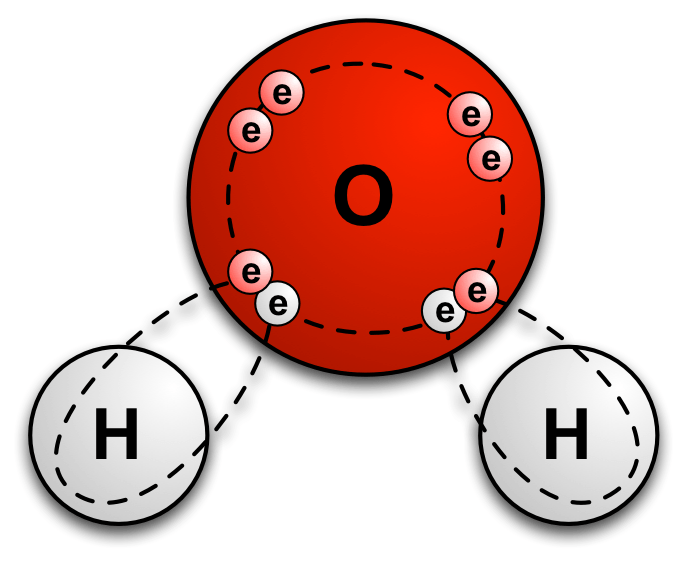

The electrons in an ionic molecule are shared...
Evenly
Unevenly
Electrons are not shared
None of the Above
What two types of atoms make a covalent bond?
2 non-metals
1 metal and 1 non-metal
2 metals
Identify the following compound as ionic or covalent: SO2
ionic
covalent
Identify the following compound as ionic or covalent: Ca(OH)2
ionic
covalent
When naming covalent compounds,
roman numerals are needed but no prefixes required
both roman numerals or prefixes are not required
both roman numerals and prefixes must be included
prefixes are needed but roman numerals are not required
polyatomic ions
Calcium Oxide, CaO
Covalent Bond
Ionic Bond
if NONMETALS are more likely to GAIN electrons, they will form ...
anions
neutral atoms
cations
In the chemical formula for an ionic compound, which item is written first?
positive ion (cation)
negative ion (anion)
subscript
it's alphabetical
Which of the following is true for ionic bonding & ionic compounds?
They must be made of ions with like charges.
The negative ion must be written first.
Compounds must have an overall charge of zero.
They are made of metals and nonmetals.
The positive ion must be written first.
What is the ionic formula for a bond between Calcium and Phosphorus?
Ca2P3
Ca3P2
Ca2P5
P5Ca2

