
 Worksheets
Reaction Profiles
Total questions: 64
Worksheet time: 36mins
The minimum energy particles must have to react is the
acting energy
active energy
activation energy
A reaction profile shows....
the relative difference in temperature of reactants and products
the relative difference in amounts of reactants and products
the relative difference in energy of reactants and products
the relative difference in volume of reactants and products
Bond making is
Endothermic
Exothermic
Bond breaking is..
Endothermic
Exothermic

Which letter shows the activation energy
A
B
C
In a reaction the energy required to break bonds is less than the energy released when bonds are made. What type of reaction is this?
Exothermic
Endothermic

Is this showing an endothermic or an exothermic reaction?
Endothermic
Exothermic

Which letter shows the heat change?
A
B
C
D
E

Which letter represents the reactants?
A
B
C
D
E

Which letter represents the products?
A
B
C
D
E

Which letter represents the transition state?
A
B
C
D
E
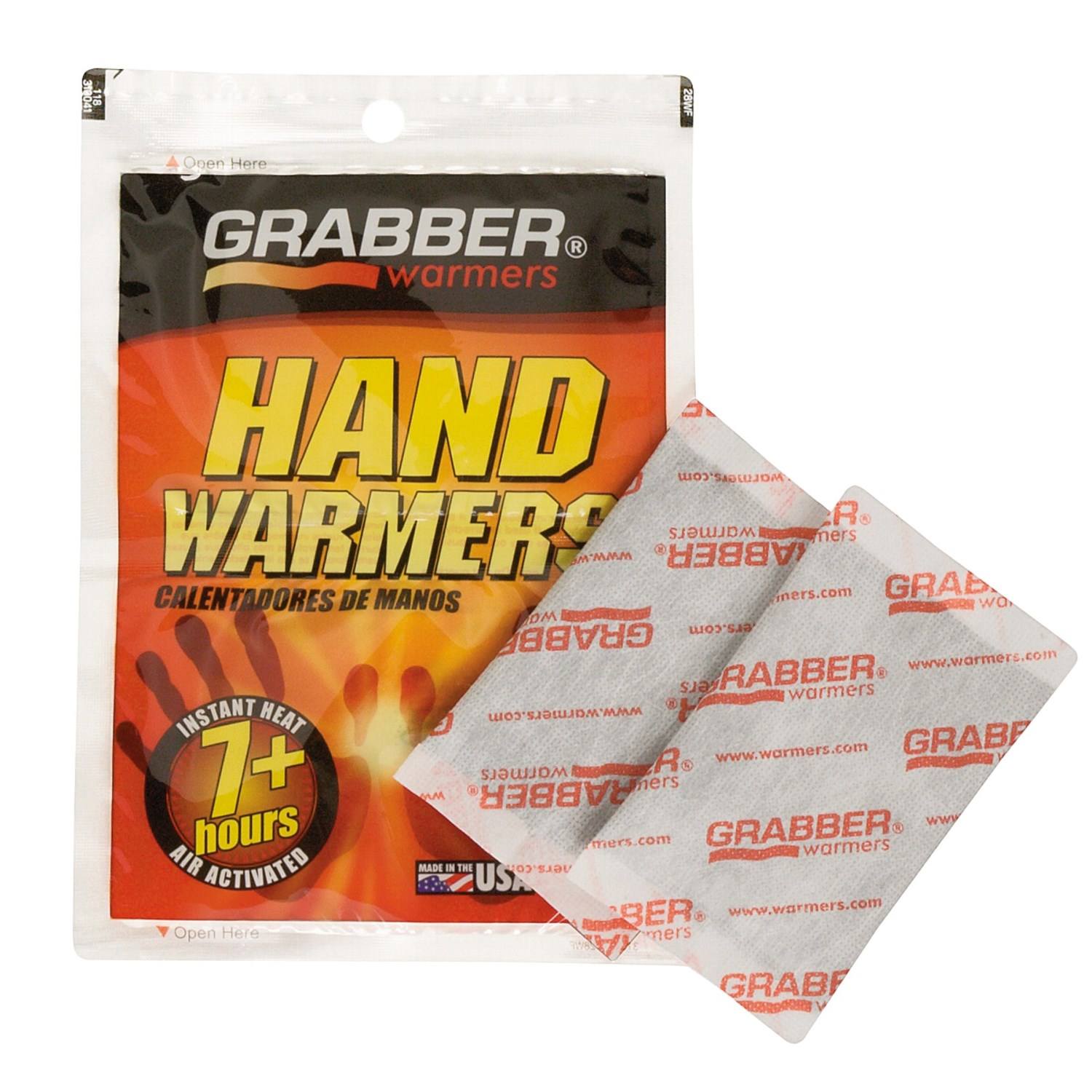
What type of reaction occurs in a hand warmer?
exothermic
endothermic
Which of the following process is exothermic?
Candle was melting
A puddle evaporating
Dry ice (solid carbon dioxide) subliming to form gaseous carbon dioxide
Water freezing to form ice

What is the Heat of Reaction ΔH for this reaction?
-200 KJ
200 KJ
400 KJ
-300 KJ
Chemical reactions occur when reacting particles....
collide
pass
interact
are mixed
The minimum energy particles must have to react is the
acting energy
active energy
activation energy
A reaction profile shows....
the relative difference in temperature of reactants and products
the relative difference in amounts of reactants and products
the relative difference in energy of reactants and products
the relative difference in volume of reactants and products
Bond making is
Endothermic
Exothermic
Bond breaking is..
Endothermic
Exothermic
Which letter shows the activation energy
A
B
C
What is the definition of activation energy? Two answers are required.
The energy needed to start a reaction
The temperature needed to start a reaction
The minimum energy that particles must have to react
The maximum energy that particles must have to react.
In a reaction the energy required to break bonds is less than the energy released when bonds are made. What type of reaction is this?
Exothermic
Endothermic

Does this show an endothermic or an exothermic reaction?
Endothermic
Exothermic
In an endothermic reaction...
heat is released
heat is absorbed
In an exothermic reaction...
heat is released
heat is absorbed
Is this showing an endothermic or an exothermic reaction?
Endothermic
Exothermic
Collisions that result in the formation of products are called (a) collisions
Increasing the temperature in a reaction lowers the activation energy.
True
False
Increasing the temperature increases the number of collisions and therefore the number of effective collisions.
True
False
Increasing the concentration increases the number of collisions and therefore the number of effective collisions.
True
False
Catalysts increase the reaction rate by lowering the activation energy
True
False

For which reaction is the activation energy higher?
With the catalyst
Without the catalyst

Which letter shows the activation energy?
A
B
C
D
E
Which letter shows the heat change?
A
B
C
D
E
Which letter represents the reactants?
A
B
C
D
E
Which letter represents the products?
A
B
C
D
E
Which letter represents the transition state?
A
B
C
D
E
In an endothermic reaction...
products have more energy than reactants
reactants have more energy than products
What happens to the rate of a reaction when you decrease the temperature?
decreases
increases
stays the same
Which of the following changes will NOT increase the rate of a chemical reaction?
increase temperature
increase surface area
increase concentration
decrease concentration
Which of the following statements best explains how a catalyst works?
lowers the activation energy for the reaction
provides an alternative route with a lower activation energy
provides an alternative route
speeds up the reaction without being used up
What change could you make to a solid reactant to increase the rate of a reaction?
increase the concentration
increase the pressure
increase the surface area
Is the following statement true or false:
Adding manganese(IV) oxide increases the rate of a reaction
true
false
What is the formula of hydrogen peroxide?
H2O2
2H2O2
H2O
HO2
What is a catalyst?
A very fast moggie
A substance that increases the rate of a reaction and is used up
A substance that increases the rate of a reaction but is not used up
A substance that decreases the rate of a reaction and is not used up
What will you observe when calcium carbonate reacts with hydrochloric acid?
Effervescence and it turns white
Effervescence and the calcium carbonate gets smaller
A lilac flame
The grey solid disappears
What is produced during the reaction between hydrochloric acid and marble chips?
oxygen gas and calcium chloride
oxygen gas and calcium carbonate
calcium chloride, carbon dioxide and water
water, carbon dioxide and calcium carbonate
What has to happen for a chemical reaction to occur?
particles have to collide with at least the activation energy
particles have to collide with less than the activation energy
particles don't have to collide with any energy
particles don't have to collide with at least the activation energy

On the diagram, which letter represents the activation energy for the reaction?
A
B
C

Which of the two reaction profiles shows the catalysed reaction?
A
B

Which of the two reaction profiles shows the uncatalysed reaction?
A
B
Complete the sentence:
Increasing the surface area of a solid increases the rate of reaction because there will be an increase in the (a) of successful collisions
Complete the sentence:
Increasing the concentration of a solution increases the rate of reaction because there will be an increase in the (a) of successful collisions
Complete the sentence:
Increasing the pressure of a gas increases the rate of reaction because there will be an increase in the (a) of successful collisions
Which of the following changes will increase the average energy of the particles?
increasing the surface area
increasing the concentration
increasing the pressure
increasing the temperature
Increasing the temperature increases the rate of a chemical reaction because.......
more particles have energy
more particles have energy greater than or equal to the activation energy
less particles have the activation energy
the particles collide less frequently

Which of the curves indicates the fastest reaction?
A
B
C

Which of the curves indicates the slowest reaction?
A
B
C

