
 Worksheets
Second year Christmas Exam Part 1
Total questions: 66
Worksheet time: 35mins
Which of the following describes aerobic respiration?
Breakdown of food to release energy using oxygen
Breakdown of food to release energy using air
Breakdown of food to release energy without using oxygen
Breakdown of food using energy and oxygen
Fill in the blank:
(a) + Oxygen = Carbon Dioxide + Water + Energy
In microorganisms, the product(s) of anaerobic respiration is/are:
Lactic acid
Ethanol
Carbon dioxide
Water
Ethanol builds up in muscles following aerobic respiration.
True
False
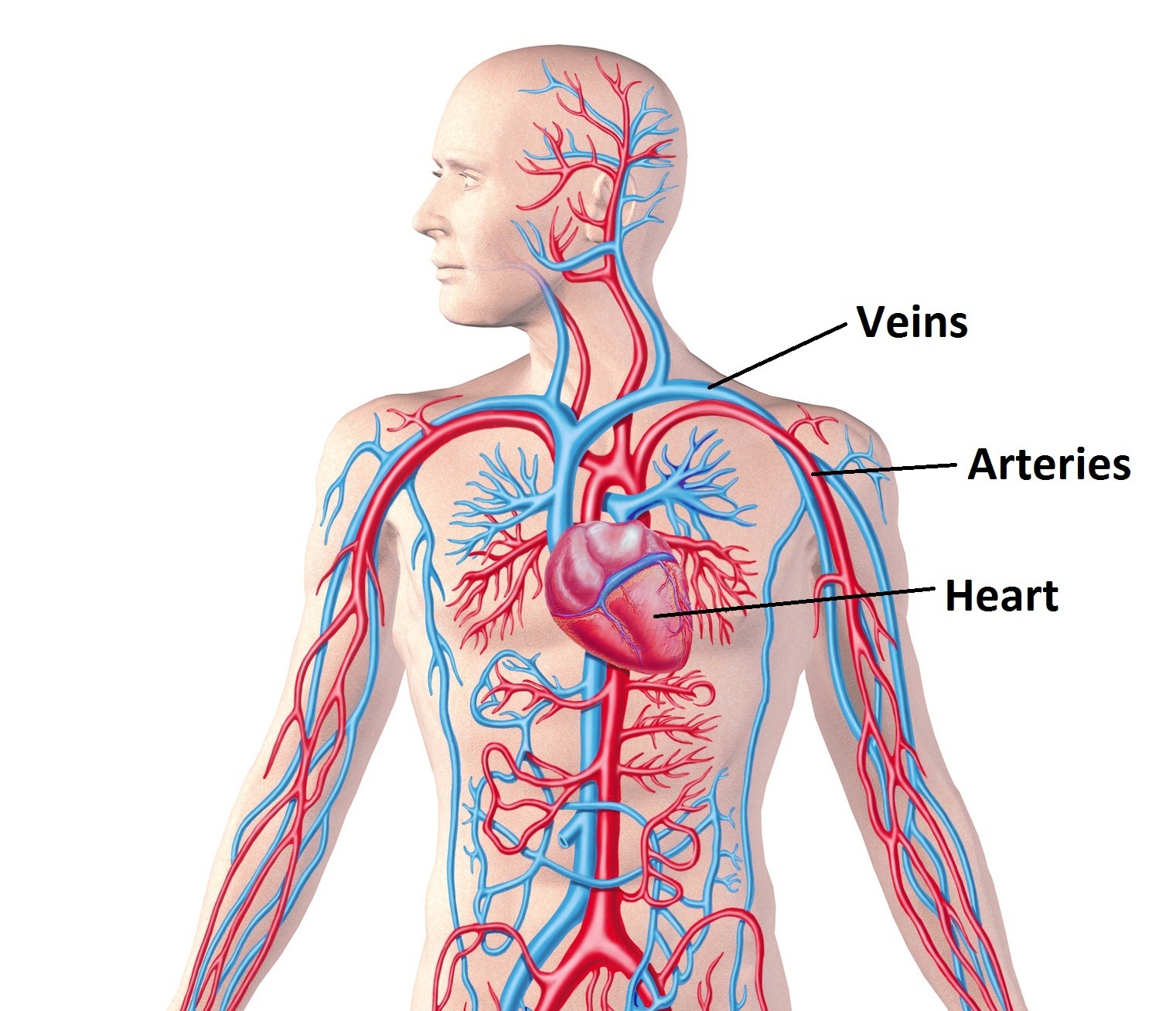
What is the circulatory system made up of?
Lungs, blood, blood vessels
Liver, kidneys, and stomach
Heart, Blood Vessels, and Blood
The job of the heart is to . . .
pump blood around the body.
send food to the small intestines.
break down food.
give energy to the body.
Plasma is a
liquid
solid
muscle
artery
What carries oxygen around the body?
Plasma
Red Blood Cells
Platelets
White Blood Cells
About how many times does your heart beat per minute?
20-60
40-80
60-100
80-120
Why does your heart beat faster when you exercise?
Because you're breathing faster
Because your muscles need oxygen that’s carried in the blood so the heart pumps faster to deliver it there quickly
Because your lungs need to get oxygen into the blood faster
Because your brain needs more blood to function
What is your pulse rate?
It’s the rate at which you pulse
It is the rate at which you breath
It is the speed of your heart beat
it is the speed of your breaths
Oxygen is a gas produced by ____ and used by ______
plants and animals
photosynthesis and carbon dioxide
animals and plants
carbon dioxide and photosynthesis
If the plant population decreased, the amount of carbon in the atmosphere would _________.
Stay the same
Increase
Decrease
An example of a marine organism that is being affected by ocean acidification.
a crab
a shark
an octopus
fish

This image demonstrates that:
There is a direct correlation with the atmospheric CO2 concentration and the CO2 concentration in seawater
That pH of the ocean increases as the atmospheric CO2 increases
That there is no correlation between pH of the ocean and atmospheric CO2
What happens to 1/4 of the greenhouse gases in the atmosphere?
It is released into space.
It gets absorbed by the ocean.
Carbon Dioxide levels ______________ in summer time due to the fact that photosynthesis increases.
decrease
increase
stay the same
fluctuate
Carbon dioxide is added to soft drinks like Coca-cola and Sprite. Why is this done?
To improve the flavor
To make the drink interesting
To ensure that the drink is free of bacteria
To add bubbles to the drink
Which of these is another well known green-house gas?
Methane
Oxygen
Hydrogen
Ammonium
What is NOT a renewable energy source?
coal
wind
solar
water
Which of these things are examples of renewable energy sources?
wind
solar
water
oil

Uranium is a
A non-renewable source of energy
A renewable source of energy
Identify some of the problems of using solar power. 2 correct answers.
It provides unlimited supply of energy.
A large piece of land or south facing roof is needed to place the solar cells.
The solar cells do not work at night.
Two problems with wind energy is that:
It can threathen wildlife such as birds and bats
Too much wind is produced
It is non-renewable
It is un predictable - it is not always windy.

Which title supports this graph?
China and the USA are responsible for the most carbon emissions
Arctic ice caps are melting
Global temperatures are rising
Renewable energy is getting cheaper
Fossil fuels are found
in desert army bases
near river banks
deep within the earth
at mountain tops
Which of the following is NOT a fossil fuel?
coal
oil
wood
natural gas
One advantage of fossil fuels is that right now, they are
expensive to transport
very cheap to mine
found in many places in large amounts
there is a lot of waste created by fuel
Hydroelectric power is electricity created by
water
the sun
burning coal
burning wood
One advantage of nuclear energy
It doesn't release green house gases
It creates carbon dioxide
It produces radioactive waste
One danger of nuclear power plants is that
atomic bombs are not dangerous
the waste material is radioactive
water creates pollution
atoms are difficult to find
Pollutants are
harmful materials to the environment
helpful to ocean ecosystems
good to breathe in deeply
easy to clean up at home
Which two substances are combined to make carbon dioxide in the lab?
hydrochloric acid and calcium carbonate
hydrochloric acid and calcium chloride
water and calcium chloride
water and carbon dioxide
Which is a use of carbon dioxide
used in respiration
used for life support
used in fire extinguishers
used to make fertilizers
Increasing temperature has what effect on reaction rate?
No effect
Increasing temperature lowers reaction rate
Increasing temperature increases reaction rate
What are you talking about?
When water vapor is cooled and forms droplets-
Condensation
Evaporation
Transpiration
Run-off
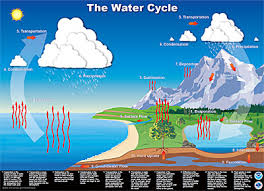

What is it called when water evaporates from the surface of the leaves of plants?
condensation
evaporation
sublimation
transpiration

What is the role of the sun in the water cycle?
provide heat energy for evaporation
provide heat energy for condensation
dry out the soil for runoff to occur
provide thermal energy for accumulation
What do we call water in its gas state?
rain
snow
ice
water vapour
Biodiversity usually refers to
the same species in a general location
the number of different species in a given area
the number of animal species in a given area
the number of plant species in a given area
Why is biodiversity so important? (2 correct answers)
Because all species depend on each other to survive, so if one becomes extinct another species that relies on it could go extinct as well
We rely on biodiveristy for food, medicine, recreation and clean air.
Because it is better to only have a few species on Earth.
Because humans are the most important species
What are some ways we can help in maintaining biodiversity?
Get involved with ecological restoration in your area.
Prevent invasive species from overpopulating.
Don't use chemical pesticides on crops.
All of the above
Which of these is one cause of deforestation?
Urbanisation
Buying a chirstmas tree during the holidays
Overbreeding birds in the wild
Cutting down the tree in your backyard
Deforestation causes an increase in atmospheric carbon dioxide
true
false

Does deforestation contribute to global warming?
No, trees aren't that important
Sometimes because only the cutting down of Maple trees contributes to global warming
No, deforestation adds methane to the atmosphere, which makes the Earth cooler
Yes; less trees means less CO2 is absorbed from the atmosphere
What is a carbon sink?
Something that adds to the atmosphere.
Something that removes carbon from the atmosphere.
Something that adds carbon to the earth's crust.
Something that removes carbon from the earth's crust.
What factor(s) involved in the production of palm oil are unsustainable? (3 answers)
Tropical Rainforests are being cut down
People make too much money
Pollution
Animals' habitats lost
Too expensive to produce

