
 Worksheets
Asexual and Sexual reproduction
Total questions: 20
Worksheet time: 15mins
When one parent organism produces offspring by itself:
asexual reproduction
sexual reproduction
Performed in laboratories and produces identical individuals from a cell or from a cluster of cells taken from a multicellular organism:
fission
budding
cloning
regeneration
What is an disadvantage of asexual reproduction?
An organism can reproduce without a mate
Some organisms can quickly produce a large number of offspring
There is little genetic variation within a population
A type of reproduction in which the genetic materials from two different cells combine, producing offspring:
asexual reproduction
sexual reproduction
How many pairs of chromosomes do humans have?
18
23
26
46
What is a disadvantage of sexual reproduction?
Genetic variation
Organisms must grow and develop until they are mature enough to reproduce
Selective breeding
An organism that has been reproduced by asexual means receives ______________ of its chromosomes from its one parent.
3
25%
50%
100%
In asexual reproduction, all of the offspring are:
Physically Identical
Genetically Identical
Physically and Genetically Identical
Not Identical
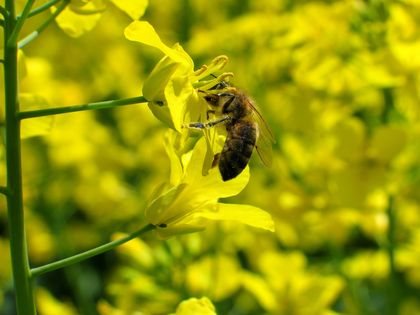
What is the big advantage of sexual reproduction?
Can quickly grow the population
Offspring are guaranteed to be successful in an unchanged environment.
Only one parent is required to reproduce.
Can adapt to changing environments
An organism that has been reproduced by sexual reproduction received ____________ of its chromosomes from the male parent.
4
25%
50%
100%

A piece of a parent organism breaks off to form a new organism (ex. starfish).
sexual reproduction
growth and development
asexual reproduction
fertilization

When a single-celled organism splits into 2 new organisms it is called _________________.
asexual reproduction
growth and development
sexual reproduction
fertilization
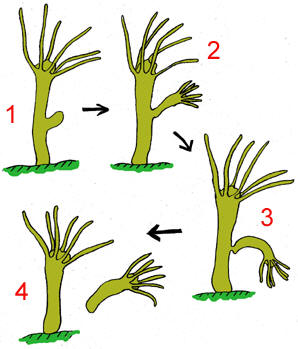
When an offspring grows off from the body of a parent organism it is called __________________.
budding
fission
fragmentation
sporulation
Male and female reproductive cells are collectively known as:
spores
pollen
gametes
offspring
____________________ occurs when a male gamete (sperm) combines with a female gamete (egg).
sporulation
fertilization
fission
regeneration
If a sex cell has 10 chromosomes, how many chromosomes will there be after fertilization?
5
10
15
20
Why do cells divide? Mark all the apply.
to repair damaged cells
to stop cancer cells
to replace old or dead cells
growth of organism

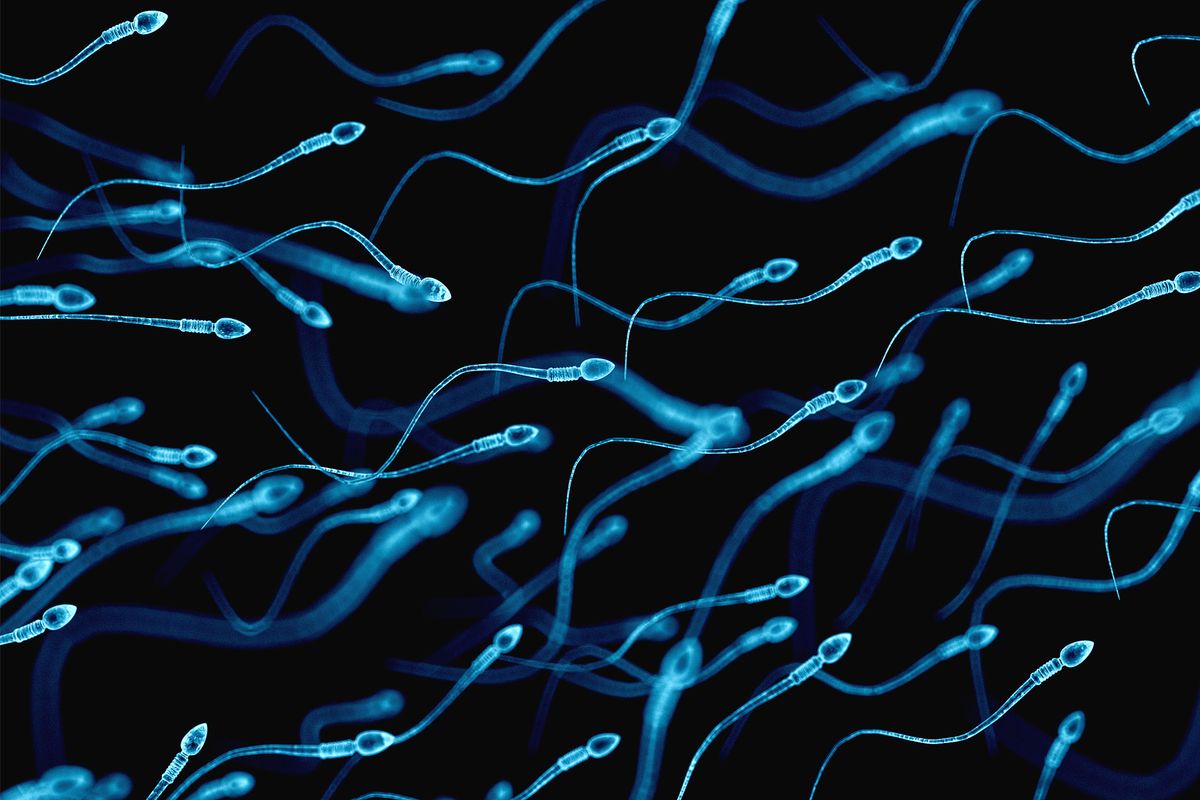
In sexual reproduction the male produces ___ cells.
Malex
Quack
Egg
Sperm

