
 Worksheets
7th Grade Social Studies Midterm Review 2021
Total questions: 45
Worksheet time: 24mins
What was the result of the first Crusade that ended in 1099?
The Turks defeated the Byzantine empire.
The Crusaders captured Jerusalem.
The Muslims were driven out of Spain
European armies looted Constantinople
The main work of members of a parliament is to
hold trials
issue writs
make laws
keep the peace
Who had a huge disagreement about who should be the one to pick the high ranking bishops in the church?
King Henry VII and Emperoro Otto I.
Pope Gregory VII and the Charlemagne.
Pope Gregory VII and the Viking Kng.
King Henry IV and Pope Gregory VII.
How did the Bubonic Plague contibute to the decline of Feudalism?
Killed off everyone in the Feudal system
Gave more power to the clergy allowing them to gain more land and taxes
Desperate need for workers and now workers could demand more rights
Stopped all legal reforms which gave power back to its original owners
The plague began where?
Europe
The Middle East
Central Asia
North America
Why was the Magna Carta important?
It gave the king absolute power of the Empire.
It created a cabinet, or group of advisors, to advise the king.
It established everyone is subject to laws, even kings.
Created equality between the social classes.
In addition to deaths caused by the disease, how did the bubonic plague affect medieval society? Choose the TWO correct answers.
New nation-states formed in Europe.
A new crusade was launched.
Manors experienced a shortage of workers.
Towns and villages were abandoned.
The ancestors of William the Conqueror were Viking raiders known as
Anglo-Saxons.
Germans.
Byzantines.
Normans.
Islam emerged in Arabia, a land best known for the
harshness of its hot, dry desert landscape.
relatively small size of its peninsula.
heavy rains that blow in from the surrounding seas.
cold weather on its many high mountain ranges.
What empire—famed for its art, culture, and science—was founded in the 1500s in Persia?
Ottoman empire
Safavid empire
Mughal empire
Sasanian empire
Why did Arabic numerals replace Roman numerals?
They were more accurate.
They were based on the Quran.
They made it easier to perform calculations.
They were easier to read.
Which of the following were among the most valuable trade goods produced in the Arab world?
cotton textiles
silks
furs
spices
Why did Muhammad move from Mecca to the city of Medina?
He had already established a Muslim community in Mecca.
He and his followers faced persecution by opponents in Mecca.
He did not want to interfere with existing worship at the Kaaba in Mecca.
He was a merchant and wanted to trade with the people of Medina.
Muslims are not permitted to gamble or drink alcohol by the legal code known as the
Five Pillars of Islam.
Quran.
Sharia.
Sunnah.
The city of Baghdad was economically important in part because it
controlled trade routes between Muslim Spain and Mughal India.
traded with Africa along the famous Silk Road.
was linked to China and other lands by camel caravan routes.
produced all the goods it needed for itself.
The Muslim scholar known as Avicenna wrote a famous and influential book on which subject?
algebra
astronomy
history
medicine
Why were the Aztecs able to take control of the basin known as the Valley of Mexico?
They were the first people to settle in the area.
They built a strong defense that protected Lake Texcoco from invasion.
They had a powerful army that allowed them to conquer their neighbors.
They produced trade goods that made them wealthy.
At its peak, the Aztec empire controlled
all of present-day Mexico.
an area extending from central Mexico to Guatemala.
several isolated cities in the forests of Central America.
a vast region connected by roads in the Andes of South America
The building and use of observatories allowed the Maya to develop
complex calendars.
hieroglyphic writing.
slash-and-burn agriculture.
stone pyramids and temples.
Which of the following statements best describes Mayan cities?
They were built on islands in lakes.
They grew up mainly in the highlands.
They had relatively few buildings.
They had pyramids and palaces in their centers.
Which of the following was a major achievement of Incan engineering?
chinampas connected by causeways
a vast system of roads and bridges
stone temples in the tropical forest
a capital city built over a lake
According to their religion, the Maya believed that
kings and priests could communicate with the gods.
their kings should be worshipped as living gods.
priests and nobles should not mix together.
human sacrifice was forbidden by the gods.
Why was the mita system important to the Incan empire?
It helped Incan astronomers calculate the movements of the stars.
It allowed the government to collect taxes in the form of physical labor.
It helped the emperor keep strict control over faraway lands.
It kept order by forming a strict social hierarchy.
In West African cultures, who ranked just above traders in the social structure?
the emperor
kings and nobles
farmers
skilled workers
Which West African ruler made the hajj, or the pilgrimage to Mecca?
Askia Muhammad
Mansa Musa
Ali Ber
Sundiata
How did trade help early Africans develop advanced societies?
It introduced them to new religions.
It allowed them to make weapons out of iron.
It made the gold they mined more valuable.
It allowed them to trade natural resources for items they needed.
Which of the following made possible the growth of the Trans-Saharan trade in western and northern Africa? Choose the TWO correct answers.
camels
salt deposits
rain forests
griots
What factors helped the leaders of Ghana to create a powerful empire? Choose the TWO correct answers.
iron tools
religious tolerance
trade
Islamic scholarship
How does labor specialization benefit a society?
It allows people to become experts at different jobs.
It makes it possible for people to rise in social class.
It ensures equal distribution of wealth.
It leads to more efficient use of natural resources.
How did Mansa Musa establish Mali as a center of Muslim culture?
He spent so much gold on his hajj that it weakened the economy of Egypt for years.
He extended Mali’s territory and made Mali one of the largest empires of its time.
He brought Muslim scholars, artists, and teachers to work in Mali.
He established trade links with Muslim salt merchants in North Africa.
Feudalism grew weaker when
trade and industry grew.
national monarchies lost power.
the Protestant Reformation began.
the power of the Church increased.
In what ways did Leonardo da Vinci’s paintings reflect the new concerns and techniques of Renaissance art? Choose the TWO correct answers.
realistic depiction of human figures
use of linear perspective
use of bright colors
focus on religious themes
Which English writer was known for his sonnets and plays?
Dante
Shakespeare.
Moore.
De Cervantes.
Which of the following best describes a typical Renaissance painting?
Human faces are presented in an idealized, spiritual manner.
Human figures are emphasized by being placed against a flat background.
Proportions are exaggerated for symbolic effect.
People and backgrounds are painted in a way that mimics real life.
Which of these Renaissance artists is correctly paired with his famous work?
Michelangelo – Last Supper
Rafael – Sculpture of David
Leonardo da Vinci – Mona Lisa
Rafael – Sistine Chapel
From what ancient civilizations did the people in Italy get the idea for humanism?
The Romans and Greeks
The Greeks and Egyptians
The Egyptians the Chinese
The Chinese and the Romans
Why did the Renaissance begin in Italy?
Italy was not divided into separate feudal states.
Italy attracted scholars and religious pilgrims from Northern Europe.
Political unity made Italy a center of scholarship.
Major trade routes went through Italy.
In what wealthy and powerful Italian city did the Renaissance get its start?
Rome
Milan
Venice
Florence
During the Renaissance, artists centered on showing the living world and portraying human emotions in their work. This is known as:
realism
humanism
secularism
individualism
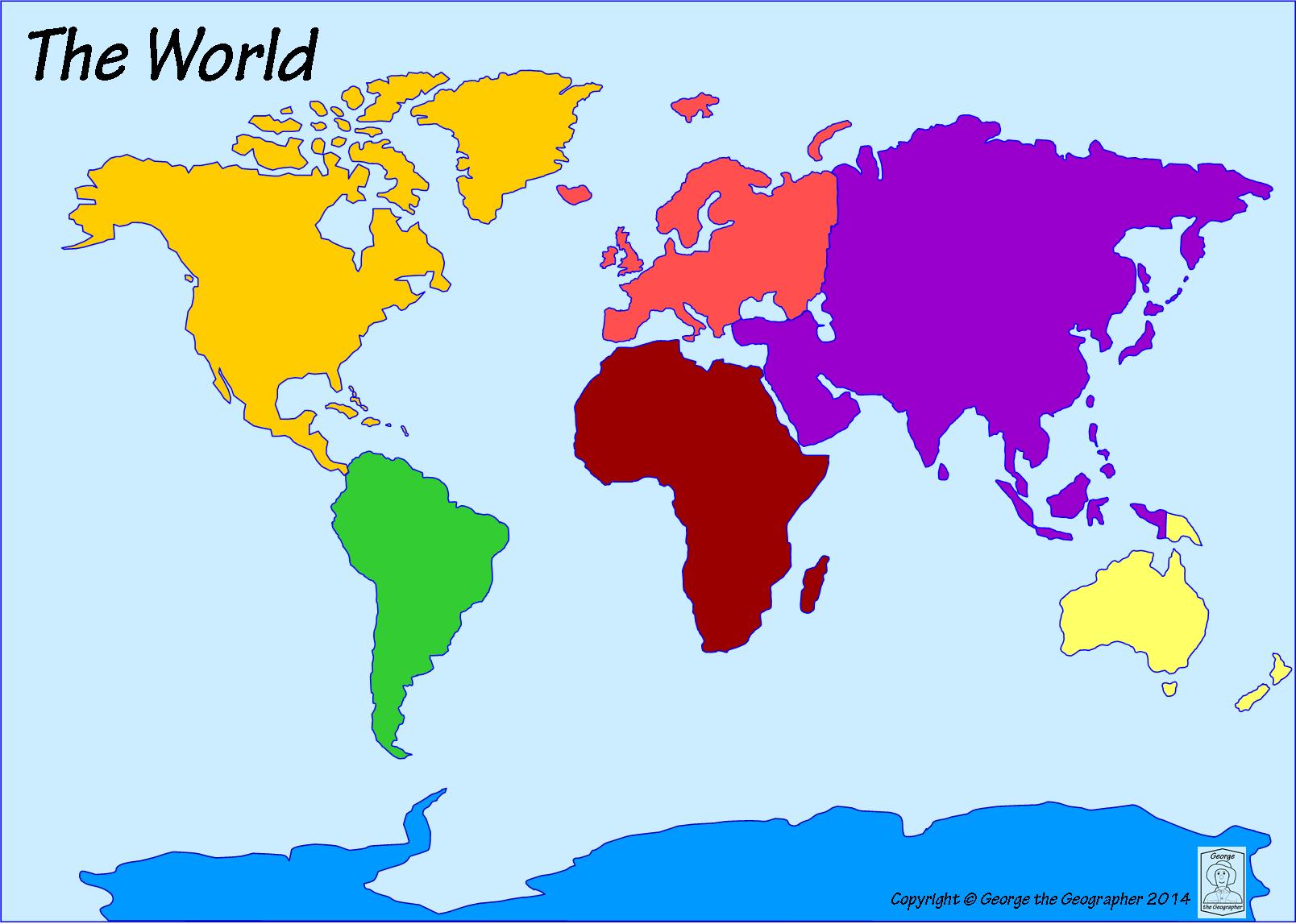
What is the name of the dark yellow continent?
South America
North America
Asia
Africa
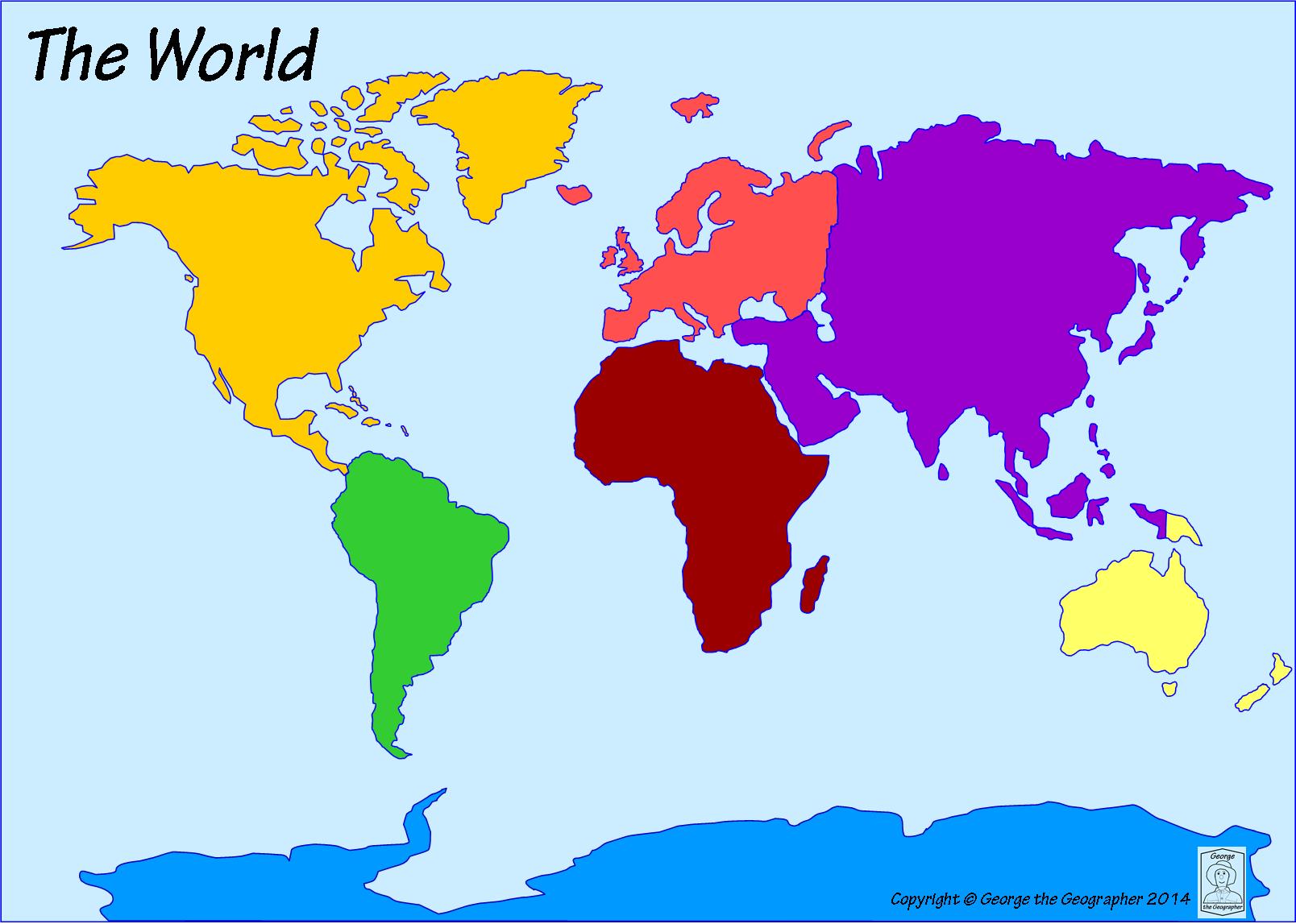
Which ocean is the farthest north?
Indian Ocean
Southern Ocean
Arctic Ocean
Atlantic Ocean
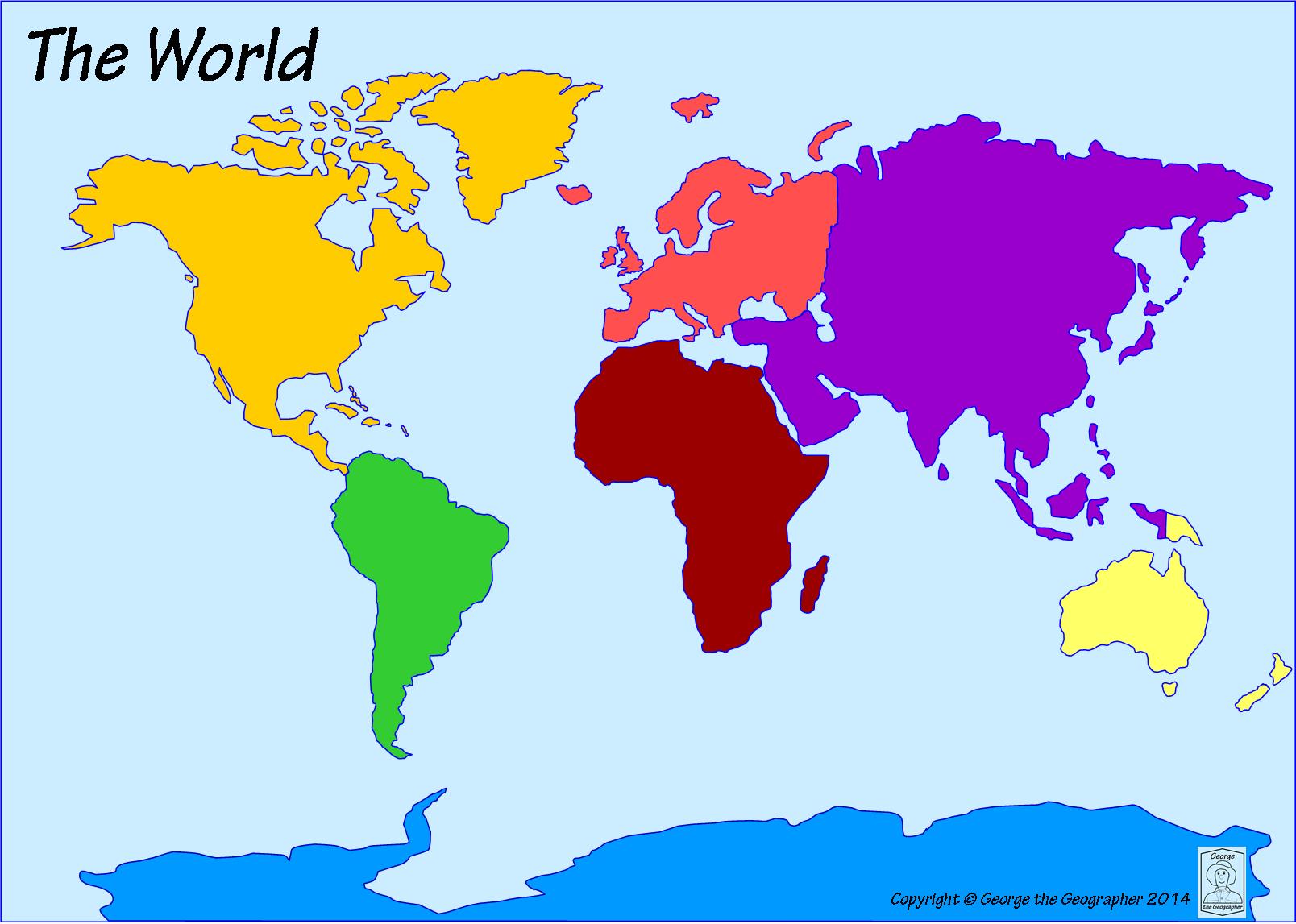
What is the name of the most southern continent?
Australia
Africa
Asia
Antarctica



