
 Worksheets
geonomes and dna
Total questions: 92
Worksheet time: 3hrs 4mins

What is sequencing and how do you sequence a genome
a nutshell
being a shark in the ocean when you have no prey to eat in order to survive
equencing means determining the exact order of the base pairs in a segment of DNA.
none of the above
all of the above

what are the phases in meiosis one in order
prophasemetephase anaphase and telephase
animal tree carrot
rabbit mouse deer bear
dilligaf
in the reproductive stage the dna molecules
(a)
if you have dna then your dna chamber is a (n)
double helix shape
cat shape
airpod
elephant shape
true or false: in meiosis the cells of dna split apart to create a daughter cell to pair up with the mother cell
false
true
d
p
s
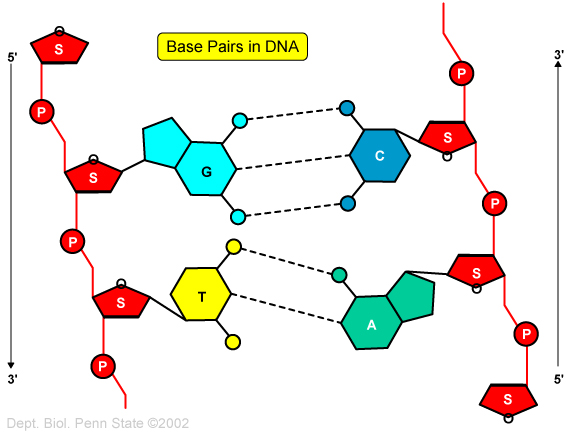
Which of following matches with Cytosine?
Adenine
Thymine
Guanine
Uracil
An organism's genetic material is called:
RNA
nucleotides
proteins
DNA
What are homologous chromosomes?
Two chromosomes that are the same length
Two chromosomes that have the centromere in the same position
Two chromosomes that have genes for particular characteristics at the same location along their length
All of the above
Our characteristics are controlled by
DNA
genes
chromosomes
parents


DNA is an acronym for _____
Diphosphorus Nucleic Acid
Ribose Nucleic Acid
Deoxyribonucleic Acid
Deoxyribonucleic Acetate
Mitosis starts with one cell and ends with...
one
two
three
four
A cell organelle where proteins are synthesized by messenger RNA and transfer RNA
mutagen
chromosome
nucleotide
ribosome
gene
What does replicate mean?
clean
breed
multiply
copy
Some characteristics are caused by both genetics and environmental influences, select all those that only genetic.
Weight
Scar
Sporting ability
Eye colour
Blood group
The two main causes of variation within a species are:
Genetics
Diet
Environment
Personality
Which sequence of DNA bases would pair with this partial strand
ATG TGA CAG
ATG TGA CAG
TAC ACT GTC
GTA AGT GAC
CAT TCA CTG

A gene is (mark all that apply)
A distinct portion of the somatic cells responsible for increasing hormone concentrations during interphase
A distinct sequence of nucleotides forming part of the chromosome
A unit of heredity transferred from the parents to their offspring
A type of protein

Primary functions of DNA are (mark all that apply)
Transmit information on heredity from one generation to the next
Control cellular respiration
Regulate homeostasis
Provide a blueprint for making proteins

The new DNA strand formed after DNA replication is an exact copy of its parent strand
True
False
The mutated DNA segment is TTCGCAAG. This is an example of ___ mutation.
T-G-A-C-C-A
T-G-A-G-C-A

AATCATGGA

Which of these is not a possible effect of a mutation?
a beneficial result
a harmful result
no effect
base excision
Where do eukaryotic cells store DNA?
In the nucleus
In the mitochondria
In the cytoplasm
In the plasma membrane
SELECT ALL THAT APPLY: Which of the following describes DNA?
Double stranded
Single stranded
Double helix
2 strands
Which base partners with Cytosine?
Thymine
Guanine
Adenine
Which of the following is the monomers of DNA?
amino acids
nucleotides
fatty acids

Three consecutive nucleotides on a mRNA molecule
Translation
anticodon
codon

Three consecutive nucleotides on a tRNA molecule
Translation
Transcription
anticodon

What is the purpose of PCR?
To produce millions of copies of the DNA genome
To produce millions of copies of a specific region of DNA
To add nucleotides to a DNA sequence
To watch polymerase work.

What does PCR stand for?
Polymerase Cytoplasmic Reaction
Polymerase Chromosomal Reaction
Polymerase Chain Reaction
Probably Cannot React

What are the uses of PCR?
Cloning
Paternity Testing
Genotyping
DNA Profiling
What type of bond holds the base pairs of DNA together?
hydrogen
covalent
ionic
peptide
DNA is found in the nucleus of every cell
true
false

The Y shape formed when DNA replicates is called
replication fork
Y-split
DNA fork
bubble

Where in the cell is DNA found?
Nucleus
Cytoplasm
Chloroplast
Cell Membrane

In mRNA what pairs up with Adenine?
Guanine
Cytosine
Thymine
Uracil

What are sections of DNA that code for traits called?
DNA
Genes
Chromosomes
Nucleus
The codon that signals the start of translation (AUG)
codon
start codon
anticodon
stop codon
RNA turns into protein...The process that reads an mRNA message and turns it into a polypeptide
replication
translation
transcription
central dogma
A compound containing one phosphorus and four oxygen atoms. It helps make up the backbone of DNA.
central dogma
RNA
nucleotides
phosphate group
An RNA molecule that transfers amino acids in the cytoplasm to the growing polypeptide.
rRNA
mRNA
tRNA
RNA
A 5-carbon ring shaped sugar molecule that also helps make the backbone of DNA
phosphate
deoxyribose
ribose
DNA polymerase
An RNA molecule that forms part of a ribosome.
mRNA
rRNA
tRNA
RNA
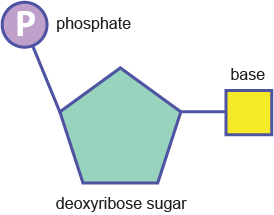
A single or double ring molecule built primarily of nitrogen and carbon. It connects to to deoxyribose and helps form the "rungs" of the DNA ladder
nitrogen bases
phosporous
deoxyribose
An RNA molecule that carries a message, which later gets translated into a protein
RNA
mRNA
rRNA
tRNA
The enzyme that helps with transcription.
DNA polymerase
RNA polymerase
Two scientists credited for defining the shape of DNA which would help us understand how DNA passes on genetic information.
Hershey and Chase
Watson and Crick
Baby Ruth and Fitzgerald
A bonds to T and C bonds to G.
nucleotides
ATCG
nitrogen bases
Base pairing rules
An enzyme that bonds nucleotides together
RNA polymerases
DNA polymerase
A description of how DNA is used to make proteins.
replication
central dogma
transcription
translation
A mutation that occurs when a single nucleotide is added or deleted.
point mutation
frameshift mutation
substitution
The complement to an mRNA codon, and it is attached to a tRNA molecule.
anticodon
codon
stop codon
start codon
The codon that signals the end of an amino acid chain
start codon
codon
stop codon
anticodon
A type of mutation that occurs if a nucleotide is changed. (substitution)
frameshift mutation
point mutation
insertion
deletion
DNA makes RNA... the process of copying a sequence of DNA to produce a complementary strand of RNA.
replication
trascription
translation
central dogma

