
 Worksheets
adaptations in plants and animals
Total questions: 47
Worksheet time: 46mins


Leaves on the surface of water plants are ________.
flat
curled
1) Which plant needs to eat insects to survive?
Underwater plants
Desert plants
Carnivorous plants
All of these
2) Which of the following is an adaptation of desert plants?
The leaves are very soft.
The leaves are mouths and traps.
The stem is thick , fleshy and holds water.
The leaves have air space inside.
4) Why do plants need to adapt?
to survive
to protect
both (a) and (b)
none
3) Which of the following is an adaptation of aquatic plants?
The stems have air space.
The leaves are thin
The stem is thick.
Have spines on stems.
6) Tall, straight and needle – like leaves bearing plant grows on ___________. (d) none of these
(a) mountain
(b) plains
(c) deserts
(d) all of these
7)Pine, fir, deodar and spruce are good example of __________.
Ornamental plant
Conifers
Aquatic plants
cactus
9) __________ tree never shed their leaves.
(a) conifers
(b) deciduous
(c) evergreen
(d) none of these
10 ) Which tree grows in marshy area?
(a) Mango
(b) Mangrove
(c) pine
(d) water lettuce
The roots of desert plants are ____________
having breathing roots
short and thick
absent
long and run deep into the soil.
following are the adaptations in desert plants
leaves are reduced to spines
roots are long and thin
stems are thick and fleshy
shed their leaves in autumn
Which of the following are the adaptations to prevent any damage from snow? (you can click multiple options)
thick fleshy stem.
Tall straight and conical trees.
Having cones instead of flowers.
Needle shaped leaves of conifers.
Plants that grow on land are called
aquatic
terrestrial
landed plants
deserted plants
Plants that grow on land are called
aquatic
terrestrial
landed plants
deserted plants
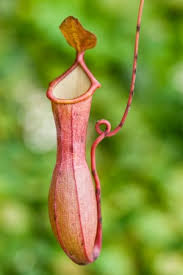
Identify the picture
sundew
Venus flytrap
pitcher plant

1) Plants grown in water, are called _________ plants.
(a) wet
(b) aquatic
(c) grass
(d) None of these
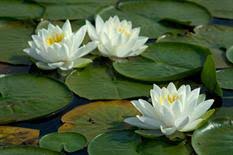
Water lilies live in lakes and ponds. It is an example of
Free floating plant
Fixed plant
Submerged plant
Which of the following adaptations best explains how pine trees are able to prevent water loss or damage from freezing temperatures?
Pine trees have thick bark
Pine cones produce seeds.
Pine tree roots go deep underground.
Pine needles are thin and have a wax coating.
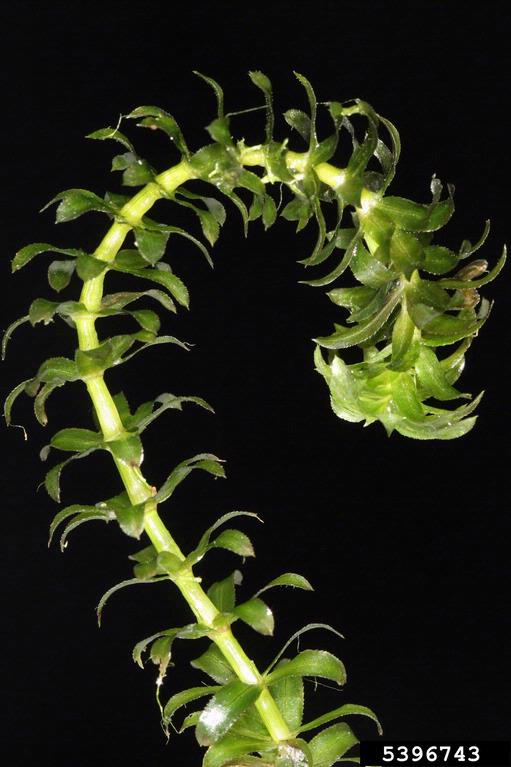
Hydrilla and tape grass are examples of what kind of aquatic plants?
Floating
Fixed
Underwater
Mangrove trees have this feature
Stilt roots
Breathing roots
Both 1 and 2
None
What is a thick layer of fat known as?
Blubber
Fat
Trans fat
Carbohydrates
What is the opposite of aestivation?
Hibernation
Extinction
Camouflage
Protection
1.Animal which has a webbed feet
lion
koala
duck
bat
1.Animal which has a webbed feet
lion
koala
duck
bat
Which of these is a Terrestrial Animal?


What are arboreal animals?
Animals that can fly
Animals that live on trees most of the time
Animals that live in water
Animals which live both in water and on land

Choose the correct answer
Most fishes breathe through
Gills
Lungs
Fins
Moist Skin
Which type of animals have sharp and pointed canine teeth to tear the flesh of their prey?
Herbivores
Scavengers
Omnivores
Carnivores
Q.2 Albumen is rich in _________ .
Proteins
Fats
Vitamins
Q.3 The Process by which parent keeps the egg warm by sitting on it is called _______.
Incubation
Hatching
Moulting
Q.1 A cluster of eggs is called spawn ? True or false.
True
False
Q.4 The larva of an housefly is called _________.
Caterpillar
Maggot
Q.6 A few mammal lay eggs instead of giving birth to young ones like _________ and __________.
Kangaroo and Elephant
Duck-billed platypus and Spiny anteater
Q.8 The egg of a snake is warmed by _________.
Sun
Parent
A Mammal that can fly?
Bird
Bat
Butterfly
Most of the mammals breathe through!
Gills
Skin
Lugs
All of these
Animals that give birth to young ones are called ____________.
Reptiles
Mammals
Amphibians
None of these
The fully grown chick breaks the egg and comes out in about ____________.
31 Days
91 Days
81 Days
21 Days
Coming out of a baby from the egg.
Hatching
Mammals
Metamorphosis

