Wayground logo

Free Printable Worksheets

Font size

S
M
L
XL
Worksheets

Montes STAAR Review

Total questions: 57

Worksheet time: 47mins

Name
Class
Date
1.
Multiple organisms of the same species describes a
a)
organism
b)
population
c)
community
d)
ecosystem
2.
Which of the following is the correct order of organization in living things from most basic (simple) to most complex?
a)
a.  Organism, cell, tissue, organ, organ system
b)
a.  Organ system, organ, tissue, cell, organism
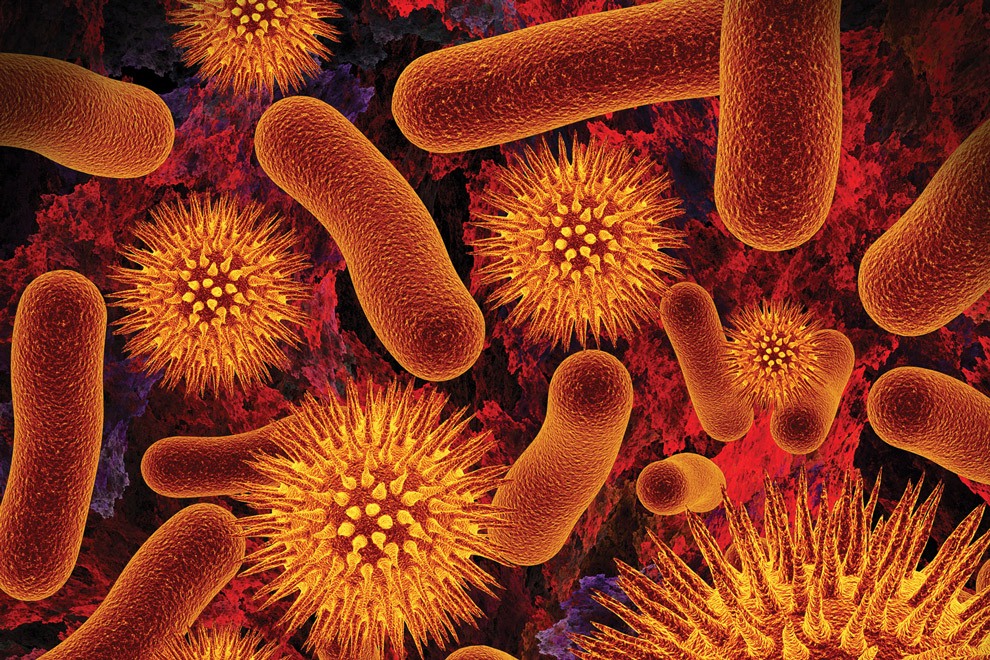
c)
a.  Cell, tissue, organ, organ system, organism
d)
a.  Cell, organ, tissue, organ, organism, organ system
3.
Which of the following is the correct order of organization in living things from most basic (simple) to most complex?
a)
a.  Organism, cell, tissue, organ, organ system
b)
a.  Organ system, organ, tissue, cell, organism
c)
a.  Cell, tissue, organ, organ system, organism
d)
a.  Cell, organ, tissue, organ, organism, organ system
4.
How much energy is passed on to each trophic level in an energy pyramid?
a)
10%
b)
90%
c)
50%
d)
80%
5.
The arrows in a food chain or web represents what?
a)
They point to the organism that is being eaten.
b)
It shows how sunlight flows within an ecosystem.
c)
They show what direction the energy is flowing between organisms. 
d)
They represent how water is transferred within a habitat.
6.
In this food chain, what will happen if the frogs become extinct?
a)
The snakes will increase.
b)
The grasshoppers will decrease.
c)
The eagles will remain the same.
d)
The grasshoppers will increase.
7.

A tick living on a dog

a)

mutualism

b)

commensalism

c)

parasitism

8.

Bees and a flower

a)

mutualism

b)

commensalism

c)

parasitism

9.
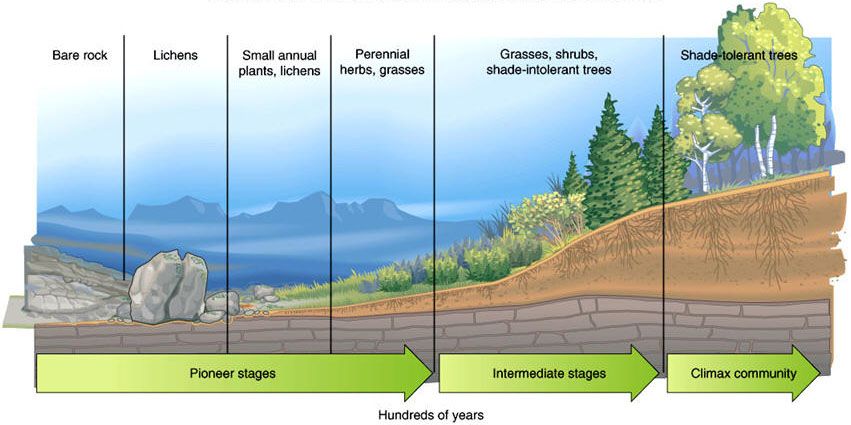
The picture shows what type of succession?
a)
primary
b)
secondary
c)
tertiary
d)
quadanary
10.
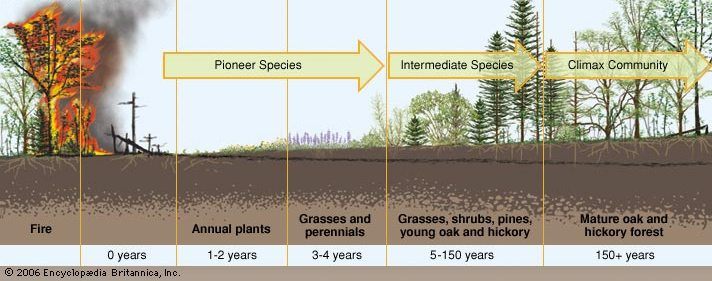
The picture shows what type of succession?
a)
primary
b)
secondary
c)
tertiary
d)
quadanary
11.
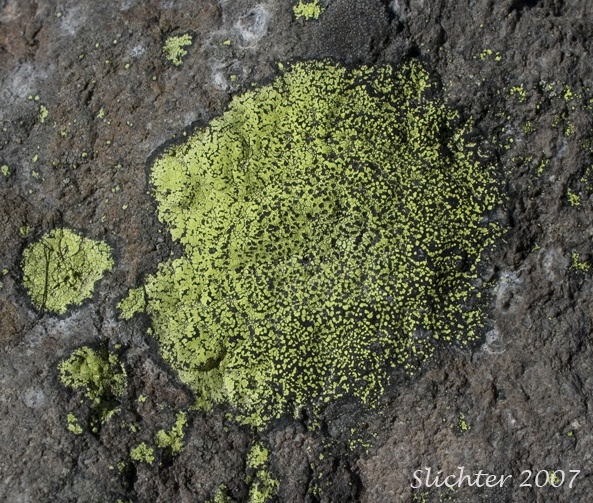
What is the name given to lichen or algae after a primary succession?
a)
pioneer species
b)
volunteer species
c)
founder species
d)
conqueror species
12.
Where does the energy from an ecosystem come from?
a)
Trees
b)
Sun
c)
Plants
d)
Water
13.
Which habitat exhibits the greatest biodiversity?
a)
A habitat with 15 different species with about 300 individuals each
b)
A habitat with 10 different species with about 75 individuals each
c)
A habitat with 4 different species with about 150 individuals each
d)
A habitat with only one species with about 2000 individual
14.
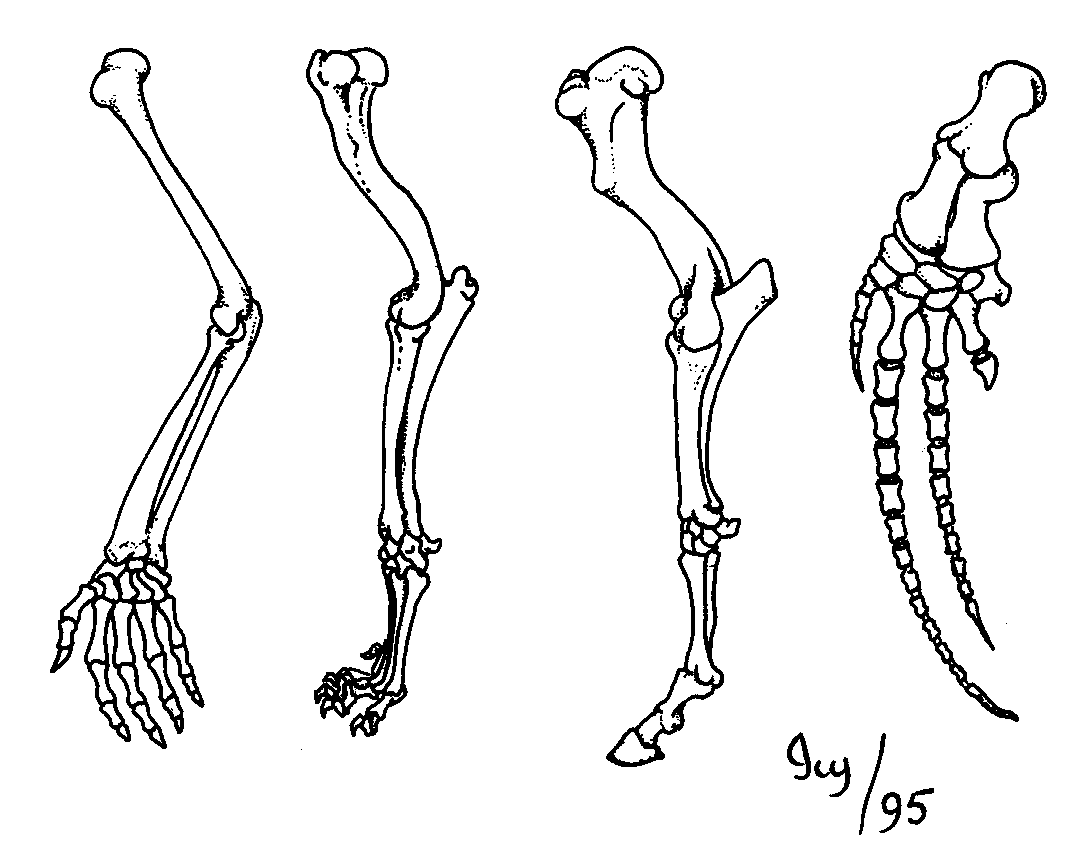
Structures with the same parts have different functions; suggests that organisms share a common ancestry
a)
vestigial structures
b)
homologous structures
c)
adaptive radiation
d)
fossil
15.
Study of embryos of various organisms to show a common ancestor because of similarities in development
a)
natural selection
b)
embryology
c)
speciation
d)
evolution
16.
Scientists compare organisms' DNA to support the theory that all species share a common _________________
a)
separation
b)
ancestor
c)
population
d)
environment
17.

According to the theory of natural selection, why are some individuals more likely than others to survive and reproduce?

a)

Some individuals pass on to their offspring new characteristics they have acquired during their lifetimes.

b)

Some individuals are better adapted to exist in their environment than others are.

c)

Some individuals do not pass on to their offspring new characteristics they have acquired during their lifetimes.

d)

Some individuals tend to produce fewer offspring than others in the same environment.

18.

Why has antibiotic resistance evolved in bacteria?

a)

Bacteria reproduce quickly

b)

Bacteria with a resistance to the antibiotic, passed that trait to offspring

c)

Bacteria that are resistant reproduce faster than non resistant strains

d)

Bacteria exposed to antibiotics develop a resistance to them

19.

Genetic drift is change in the allele frequency of a population due to...

a)

random chance

b)

natural selection

c)

non-random mating (sexual selection)

d)

artificial selection

20.

Process in which traits become more/less common due to some traits making it more likely for individuals to survive and reproduce

a)

Natural Selection

b)

Mutation

c)

Distribution

d)

Adaptation

21.

A random and permanent change to a gene

a)

Protein

b)

Gene

c)

Natural Selection

d)

Mutation

22.

Mutations happen

a)

when the environment changes

b)

when the animal needs to adapt

c)

at random

d)

after adaptation

23.
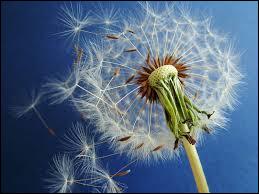
Dandelion, What kingdom does it belongs to?
a)
Plant Kingdom
b)
Animal Kingdom
c)
Fungi Kingdom
d)
Protista Kingdom
24.

The science of describing, classifying, and naming living things is called:

a)

Geology

b)

Biology

c)

Taxonomy

d)

Chemistry

25.

The scientific name for an organism is made from the:

a)

class and family name

b)

genus and species name

c)

domain and kingdom name

d)

kingdom and phylum name

26.

What is the correct order of taxonomy?

a)

Kingdom, pylum, class, species, genus, family, class

b)

Species, genus, family, order, class, phylum, kingdom

c)

Kingdom, phylum, class, order, family, genus, species

d)

species, phylum, order, class, kingdom, family, genus
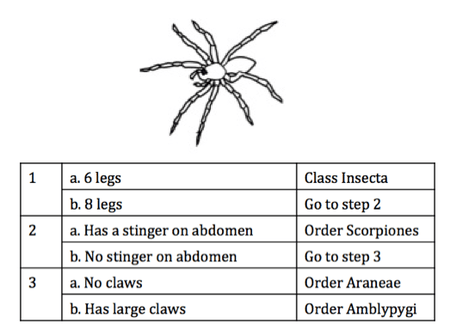
27.
An illustration and a dichotomous key are given. What is the correct classification for this organism?
a)
Class Insecta
b)
Order Amblygygi
c)
Order Araneae
d)
Order Scorpiones
28.
A dichotomous key for trees is provided. Hikers found a tree that has large brown cones and single sharp needles. What species of tree have the hikers found?
a)
Juniper
b)
Pine
c)
Spruce
d)
Fir
29.
Using this dichotomous key, identify the name of the circled Fish, J.
a)
peacock flounder
b)
band-tail puffer
c)
trumpet fish
d)
spotted goat fish
30.
Are microorganisms helpful or harmful?
a)
Helpful
b)
Harmful
c)
Both
d)
Neither
31.
Yogurt contains harmful bacteria.
a)
True
b)
False
32.
Which of the following is an example of a harmful microorganism?
a)
Fungi used as antibiotics
b)
Ecoli on food that makes people sick
c)
Bacteria found in yogurt.
d)
Microorganisms helping dead matter to decay
33.
Which biomolecule is made of nucleotides and contain you DNA?
a)
Carbohydrate
b)
Lipids
c)
Protein
d)
Nucleic Acid
34.
Which biomolecule has sugars and starches?
a)
Lipids
b)
Proteins
c)
Carbohydrates
d)
Nucleic Acid
35.
Which biomolecule includes fats, such as triglycerides, oils, waxes, and steroids (cholesterol); insoluble in water; provides energy storage, insulation, part of cell membrane, and hormones 
a)
Nucleic Acid
b)
Lipids
c)
Carbohydrate
d)
Protein
36.
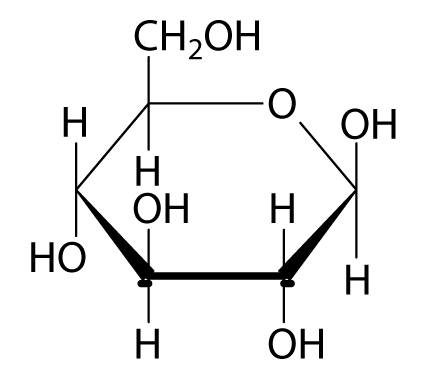
Identify the biomolecule
a)
Carbohydrate
b)
Lipid
c)
Protein
d)
Nucleic Acid
37.
What is the monomer for a protein?
a)
Monosaccharide
b)
Triglyceride
c)
Amino Acid
d)
Nucleotide
38.
With what 3 letters do enzymes typically end?
a)
-ose
b)
-ase
c)
-ese
d)
-tic
39.
Enzymes are...
a)
nucleic acids
b)
proteins
c)
lipids
d)
carbohydrates
40.
Where do substrates bind on an enzyme?
a)
voltage-gated channels
b)
surface receptor
c)
calcium channels
d)
active site
41.

What is indicated by letter C?

a)

enzyme

b)

product

c)

substrate

d)

active site

42.

What is indicated by letter B?

a)

enzyme

b)

product

c)

substrate

d)

active site

43.
Plants and animal cells are examples of ___ cells 
a)
prokaryotic cells 
b)
eukaryotic cells 
44.
Which of the following is found inside a prokaryote?
a)
cytoplasm
b)
DNA
c)
ribosomes
d)
all of these
45.
Where is the DNA found in a prokaryotic cell? 
a)
floating around in the cytoplasm 
b)
in the nucleus 
46.

Which cell does NOT have a nucleus?

a)

Prokaryote

b)

Eukaryotes

47.
This organelle is a rigid outer layer that protects plant cells.
a)
Cell Membrane
b)
Cell Wall
c)
Nucleus
d)
Chloroplast 
48.

This organelle controls what goes in and out of plant and animal cells.

a)

Cell Wall

b)

Cell Membrane

c)

Chloroplasts

d)

Cytoplasm

49.

The _____________ holds the DNA, and controls the functions of eukaryotic cells.

a)

Nucleus

b)

Nuclear Membrane

c)

Mitochondria

d)

Chloroplast

50.
What organelle is called the "powerhouse" of a cell?

a)
Endoplasmic Reticulum
b)
Nucleus
c)
Mitochondria
d)
Nucleolus
51.
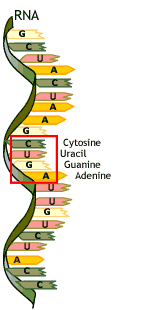
In RNA, Uracil pairs with ______. 
a)
cytosine
b)
adenine
c)
guanine
d)
thymine
52.
The process to go from DNA to mRNA is _______
a)
translation
b)
transcription
c)
replication
53.
The process to go from mRNA to a protein is called ____
a)
transcription
b)
rRNA
c)
replication
d)
translation
54.
What is the location in the cell for translation?
a)
nucleus
b)
mitochondria
c)
ribosome
d)
chloroplast
55.
How many amino acids are coded for by this sequence of nucleotides:
ATG GGA ACT CCA
a)
4
b)
2
c)
6
d)
12
56.
What is the three base sequence of mRNA that codes for a single amino acid?
a)
Anticodon
b)
Codon
c)
Protein
57.
DNA sequence ACCTG produces which mRNA strand? 
a)
UGGAC
b)
TGGAC
c)
GTCCA