
 Worksheets
WH MT
Total questions: 51
Worksheet time: 8hrs 53mins

Paleolithic people moved from place to place following animal migrations and vegetation cycles. This pattern of living is called
old stone age
nomadic
hominids
prehistoric
Because trade brought new civilizations into contact with one another,
early river valley civilizations developed independently
people began to paint & sculpt
it often led to a transfer of new technology & ideas to other civilizations known as Cultural Diffusion
rulers claimed that their power was based on divine approval
The study of past events is called
hominid
prehistoric
history
artifacts
The revolutionary change of the Neolithic Revolution was the shift
from gathering/hunting food to growing & raising food
from having no control over fire to using fire as a tool
from using stone tools to manufacturing bronze
from living in villages to living in walled fortresses

Complex human societies are also known as
hominids
ziggurats
cities
civilizations
The end of the Neolithic Age concluded with the
Bronze Age
Iron Age
Copper Age
Tin Age
Historians have identified the basic characteristics of civilizations as
vehicles, use of fire, nomadic lifestyle, hunting & gathering & technology
villages, temples, trade, tools, use of fire and armies
cities, governments, religions, social structure, writing & art
use of metals, weapons, houses, food, religion and art
To believe in one God such as in the Jewish tradition is called
polytheism
monotheism
atheist
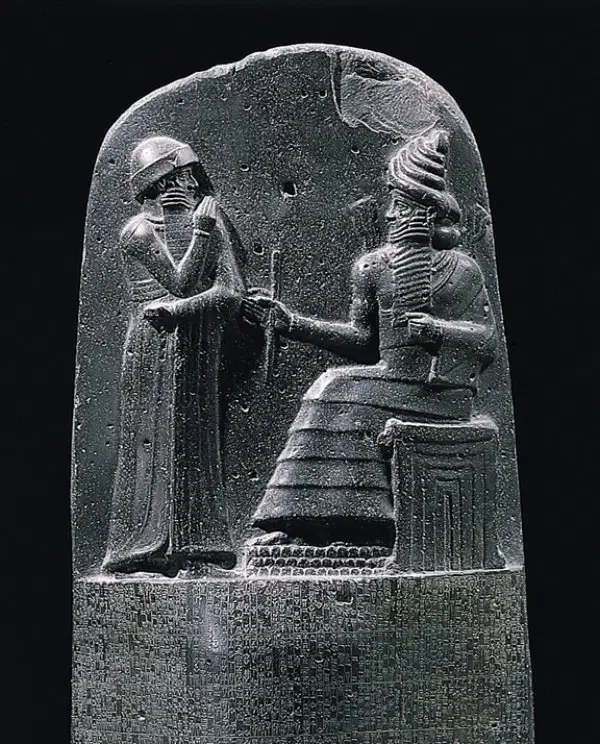
What is the Hammurabi's Code?
it is the language of Ancient Sumer
a story of Babylon’s creation
it is a collection of written laws and rules
The term for a large political unit or state, usually under a single leader, controlling many peoples and territories is
system of justice
Gilgamesh
ziggurat
empire
"The Land between the Rivers Tigris and Euphrates" is also referred to as
Indus
Egypt
Mesopotamia
Huang He

The road that stretched throughout the entire Persian Empire that offered areas of trade, rest & refuel was the
silk road
royal road
Persian road
Tigris road
Where did "The cradle of human race" start, according to the out of __________ theory?
North America
Europe
Africa
early river valley Civilizations
The Great Wall of China was built during the _______ dynasty and was built to prevent _____________.
Qin dynasty, invasion
Zhou dynasty, job loss
Qin dynasty, boundary loss
Han dynasty, invasion
The dynastic cycle known as the Mandate of Heaven was the belief
that the king is the link between heaven and earth
that crops needed to be rotated yearly for agricultural success
the sun and the stars revolved around the Earth
that there is an explanation for the rise and fall of dynasties
A ______________ is a form of government practiced in Rome where the leader was not a monarch and certain citizens have the right to vote.
polis
dictatorship
autocracy
republic
Ancient Athens Greece is famous for having a _______________ as their form of government.
theocracy
autocracy
direct democracy
constitutional monarchy
The western portion of the remaining Roman Empire after 500 C.E. was primarily settled by
Romans
barbaric Germanic tribes
Macedonians
the Rus
The feudal system was a
way for kings to diminish the size of their empire
written, law binding economic/social system in the Byzantine Empire
social/economic system where nobles protected workers on their land in exchange for protection
way for king to collect taxes
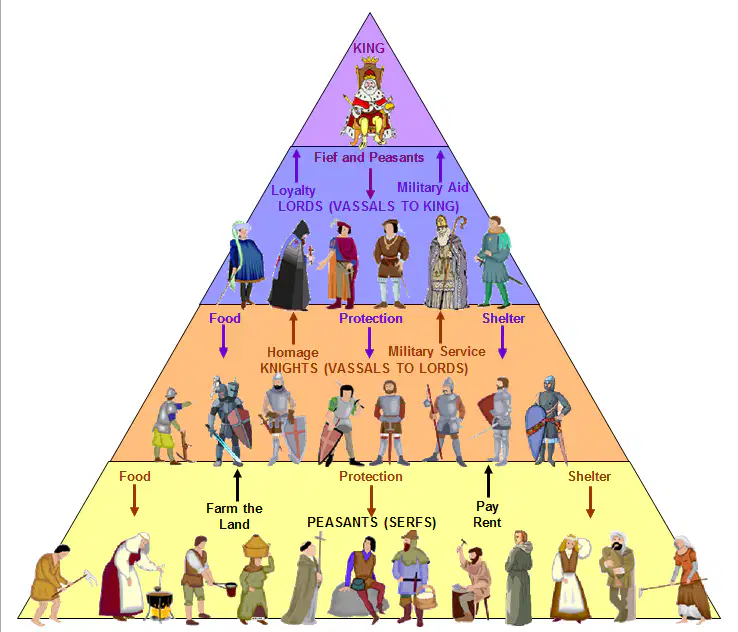
The lowest economic class in the feudal social system were the
lords
serfs
nobles
counts & barons

The citizens of the Byzantine empire still considered themselves to be
Greek
Romans
German
Macedonian
The split in the Christian religion between the Eastern and Western Roman empire was known as
the great schism
the great split
the great break
the great divide
a series of religious wars between Christians and Muslims that lasted over 200 years. Started primarily to secure control of holy sites considered sacred by both groups.
The Punic wars
The Crusades
The Peloponnesian wars
The Persian wars
Which of these is NOT a benefit of the Tang rulers of China?
Made the empire larger
strengthened the government
extended roads and canals
started to build the Great Wall of China
schools were set up to train people for government jobs.
Which is NOT an effect of the Germanic invasions in the western of Rome.
population shift from urban to rural
trade was halted
decline in education
creation of all arts flourished

Using the map, Why was the location of Mecca ideal for trade?
it is in the Byzantine Empire
it is at the center of land and sea trade routes that connect to large empires
Only Sea routes have access to Mecca making it safer
it is in the western side of the Sassanid Empire

What area of the Empire was not threatened by the invasions between 350 AD-500 AD?
Spain
Gaul
Egypt
Italy

How many more people died of the Black Death of 1347-52 AD than the Plague of Justinian 541-542 AD?
30 million
45 million
60 million
25million
On the dawn of the sixth day the pagan warriors began to storm the city...And the Tartars (Mongols) cut down many people, including women and children. Still others were drowned in the river. And they killed without exception all monks and priests. And they burned this holy city with all its beauty and wealth...And churches of God were destroyed and much blood was spilled on the holy alters. And not one man remained alive in the city. All were dead... An this happened for our sins. -ZENKOVSKY, Medieval Russia's Epics Chronicles and Tales. *According to the author (ZENKOVSKY) why did the Mongols destroy the city?
It was located along a strategic river.
The Mongols wanted to make it their new capital.
The city's residents had to be punished for their sins.
The Mongols sought to wipe of all who opposed their religion.
On the dawn of the sixth day the pagan warriors began to storm the city...And the Tartars (Mongols) cut down many people, including women and children. Still others were drowned in the river. And they killed without exception all monks and priests. And they burned this holy city with all its beauty and wealth...And churches of God were destroyed and much blood was spilled on the holy alters. And not one man remained alive in the city. All were dead... And this happened for our sins. -ZENKOVSKY, Medieval Russia's Epics Chronicles and Tales. *What word best describes the tone of this primary source?
anger
informational
despair (lost of hope)
authority (commanding power)

What principal figure do Islam, Christianity and Judaism have in common
Jesus
Muhammad
Moses
Define Polytheism:
an object made by a human being, typically an item of cultural or historical interest.
A belief system centering around one god.
A belief system centering around multiple gods.
the spreading out of culture, culture traits, or a cultural pattern from a central point.
Define Empire:
an object made by a human being, typically an item of cultural or historical interest.
A small state centered around a city.
the study of human history and prehistory through the excavation of sites and the analysis of artifacts and other physical remains.
an extensive group of states or countries under a single supreme authority, formerly especially an emperor or empress
What was a common factor in the location of the earliest civilizations to develop?
They tended to be founded in mountains
They tended to be founded around rivers
They were always near vast deserts
They were always near enormous oceans
Why was farming important in the development of the earliest civilizations?
Farming allowed for the development of the wheel, which allowed for the development of carts, which were very helpful
Hunter-gatherers could not hunt for or gather food that was high enough in caloric content to sustain the human population
Farming is the easiest way to create a surplus of food, which allows for the other markers of civilization to develop.
Farmers are an easy-going people, and a lot of farmers can be easily organized into a society,
What innovation was developed to aid farming in the river valley civilizations, especially in the desert areas?
The Mechanical Reaper
The Iron Hammer
Irrigation
Sundials
Which of the following is NOT a major feature of early civilizations?
Writing
Social Classes
Calendars
Specialisation of labor
14. What are conquistadors?
Sailor from Spain
Explorer and conqueror from Spain
Peaceful ambassador from Spain
Powerful ruler from Spain

What was the MAIN reason for the construction of the Egyptian pyramids?
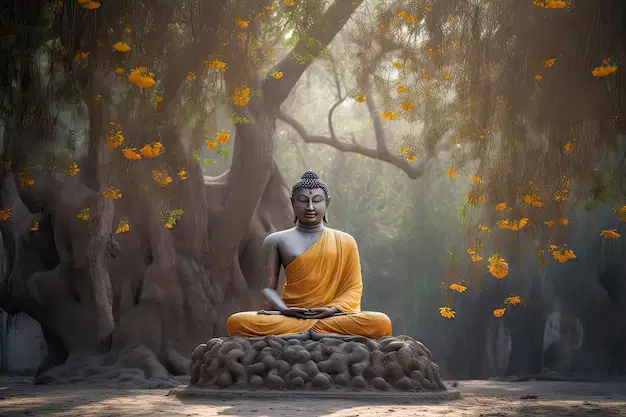
Who was Siddhartha Gautama?
Why did Buddhism appeal to many people in ancient India and China?

Why did the Qin begin to construct a wall that became known as the Great Wall of China?

The Ten Commandments were the basic guidelines for Ancient Hebrew, and they later became an important part of Christianity. What did the Israelites believe about how these guidelines came to be?
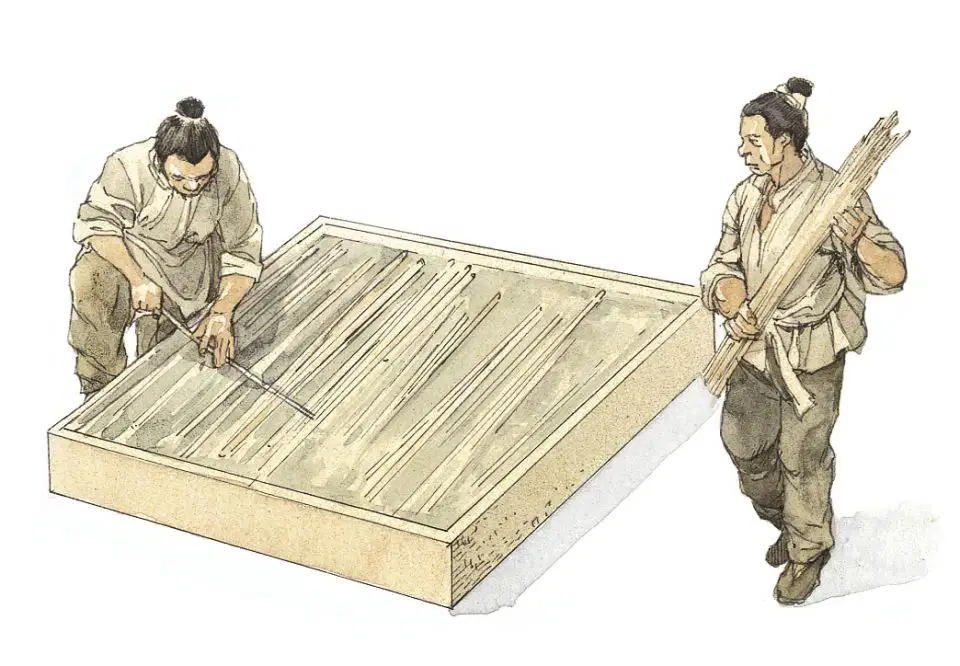
The Han Dynasty of China contributed which invention to society that is still used today?
Let's go back to ancient China! Can you guess the 'Four Great Inventions' that they gifted to the world?
Gunpowder, Printing, Compass, Papermaking
The Great Wall, Terracotta Army, Forbidden City, Potala Palace
Confucianism, Taoism, Buddhism, Legalism
Silk, Tea, Porcelain, Rice
How would you say the Silk Road impacted the growth of classical civilizations like China, Persia, India, and Arabia?
It was like a giant marketplace, swapping goods, ideas, and technologies, sparking cultural diffusion and growth of these civilizations
It was a catalyst for wars and conflicts among these civilizations
It was the secret map that led these civilizations to discover America
It was responsible for the extinction of certain animal species in these regions
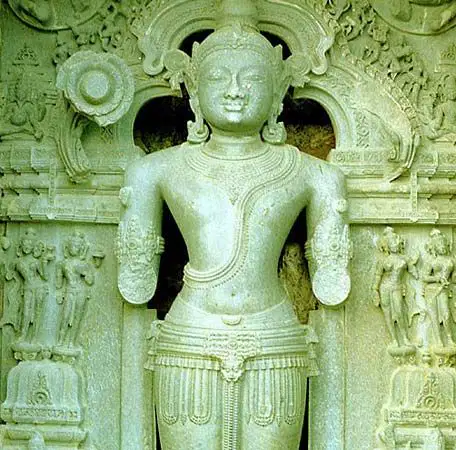
Can you guess the dominant religion that most people in India follow?
Christianity
Islam
Hinduism
Buddhism
Can you tell us what Judaism, Christianity, and Islam all have in common?
Do they believe in multiple gods?
Do they believe in reincarnation?
Do they believe in the Four Noble Truths?
Or, do they believe in monotheism?
Can you tell me what the Silk Road was?
Is it a type of silk fabric?
Could it be a famous road in Rome?
Or was it a network of trade routes connecting China and the Far East with the Middle East and Europe?
Maybe it's a popular song from the 1960s?
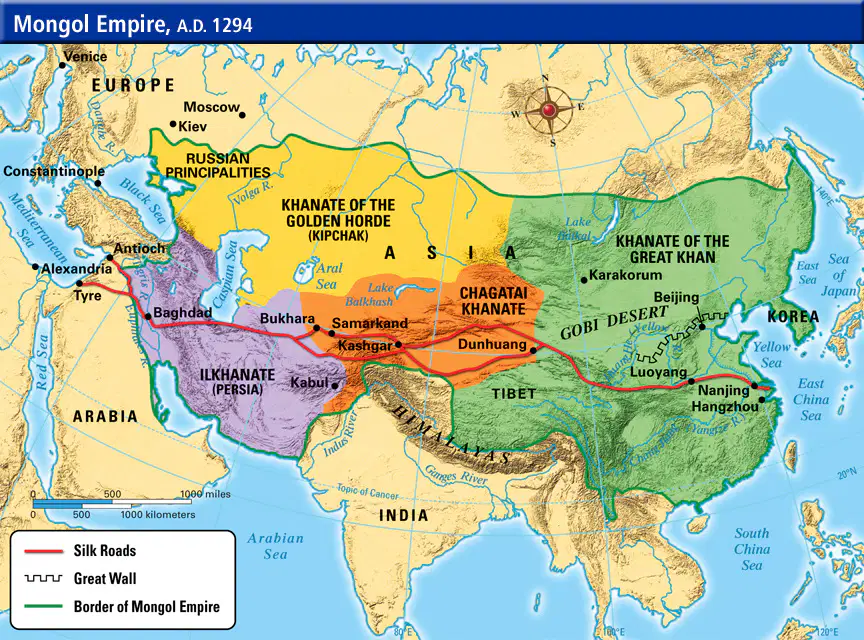
What Mongol Khanate had control of Korea?
Chagtai
Golden Horde
Ilkhanate
Great Khan
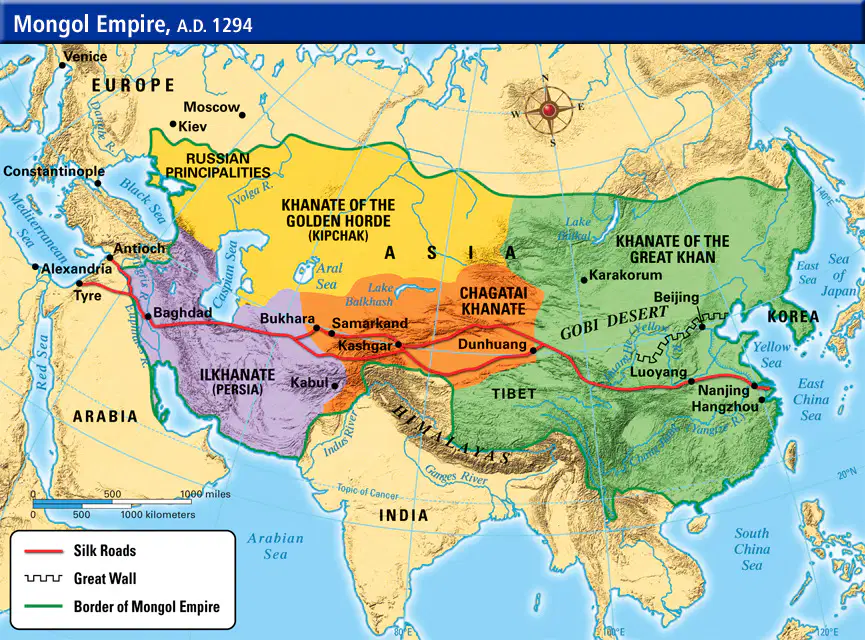
Which of these body of water did the silk road NOT reach?
Mediterranean Sea
Caspian Sea
East China Sea
Arabian Sea

